How to Save Money: A Complete Guide to Building Better Financial Habits
Shanzay Arain·May 19, 2026
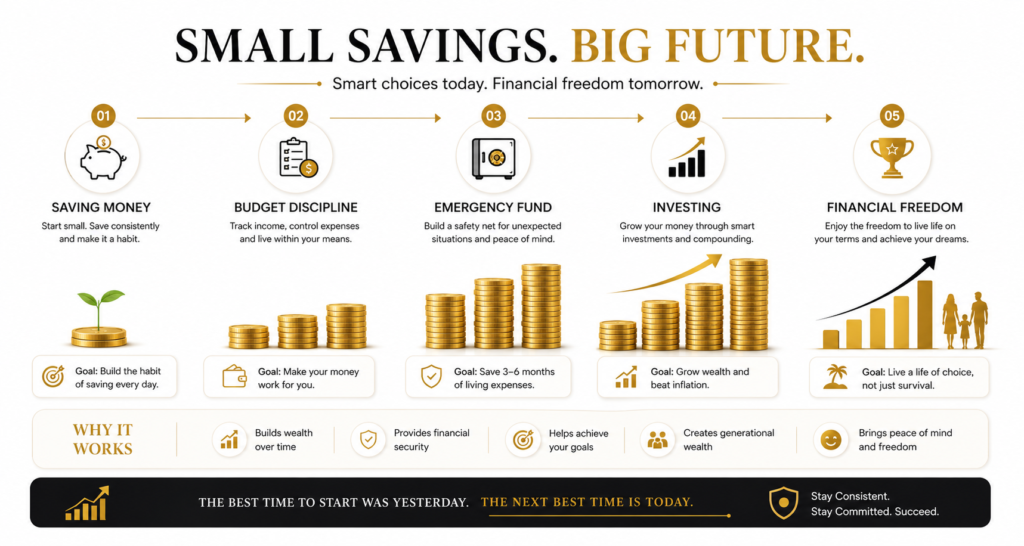
Learning how to save money is one of the most important financial skills anyone can develop. Whether you want to build an emergency fund pay off debt buy a home travel more or simply reduce financial stress saving money creates long-term stability and freedom. In today’s economy where living costs continue to rise and unexpected expenses can appear at any time having strong saving habits is no longer optional—it is essential.
Many people believe saving money requires a large salary or extreme sacrifices. In reality effective saving is more about consistency planning and smart financial habits than earning a huge income. Small daily decisions often make the biggest difference over time. Cutting unnecessary expenses budgeting carefully and using financial tools wisely can gradually build meaningful savings.
The good news is that anyone can learn how to save money with the right approach. You do not need to become a finance expert or completely change your lifestyle overnight. By understanding practical saving strategies and making gradual improvements you can create healthier financial habits that support both short-term goals and long-term security.
This guide explores proven ways to save money common mistakes people make budgeting methods saving formulas financial tools and real-world strategies that can help individuals and families achieve stronger financial control.
Key Takeaways
Saving money starts with small consistent financial habits.
Budgeting helps track spending and improve financial discipline.
Emergency funds protect against unexpected financial setbacks.
Financial calculators simplify saving and investment planning.
Cutting unnecessary expenses can significantly improve long-term savings.
Compound interest can help savings grow faster over time.
Why Saving Money Matters
Saving money provides financial security flexibility and peace of mind. Without savings even small emergencies can create major financial stress.
People save money for many reasons including:
Emergency expenses
Home purchases
Education
Retirement
Vacations
Investments
Business opportunities
Savings also reduce dependence on credit cards and loans helping people avoid unnecessary debt.
Understanding the Psychology of Saving Money
Saving money is not only about numbers. It is also connected to emotions habits and behavior.
Many spending decisions happen impulsively. Advertising social pressure and convenience often encourage unnecessary spending. Learning how to manage emotional spending is an important step toward financial stability.
People who build strong saving habits usually:
Set clear financial goals
Track expenses regularly
Delay impulse purchases
Focus on long-term benefits
Good financial habits develop gradually through discipline and awareness.
How to Save Money Effectively
Create a Realistic Budget
Budgeting is the foundation of saving money.
A budget helps you understand:
Income sources
Fixed expenses
Variable spending
Saving opportunities
Without a budget many people underestimate how much they spend each month.
One popular strategy is the 50/30/20 rule:
Budget Category
Percentage
Needs
50%
Wants
30%
Savings and Debt
20%
This method creates balance between spending and saving.
Track Your Expenses
Expense tracking reveals where money goes every month.
Common unnecessary expenses often include:
Subscription services
Frequent dining out
Impulse online shopping
Unused memberships
Even small savings add up significantly over time.
Build an Emergency Fund
An emergency fund acts as financial protection during difficult situations such as:
Medical emergencies
Job loss
Car repairs
Unexpected bills
Most financial experts recommend saving at least three to six months of living expenses.
This reduces financial stress and prevents dependence on high-interest debt.
Reduce Unnecessary Spending
Saving money does not always require major sacrifices.
Simple adjustments can create meaningful savings:
Cooking at home more often
Comparing prices before purchases
Reducing energy usage
Canceling unused subscriptions
Buying quality products less frequently
Small consistent savings often outperform extreme short-term budgeting efforts.
The Importance of Financial Goals
People save more effectively when they have clear goals.
Goals provide motivation and direction.
Examples include:
Saving for a house down payment
Paying off student loans
Starting a business
Building retirement savings
Creating travel funds
Specific goals make saving feel purposeful rather than restrictive.
How Compound Interest Helps Savings Grow
One of the most powerful concepts in personal finance is compound interest.
Compound interest allows savings to grow not only on the original amount invested but also on previously earned interest.
Saving for a down payment improves mortgage affordability and reduces borrowing costs.
Retirement Planning
Retirement savings provide long-term financial independence.
Education Funding
Families often save for tuition and educational expenses.
Business Opportunities
Savings provide startup capital for entrepreneurs and freelancers.
Financial Security
Strong savings reduce stress and improve financial flexibility during emergencies.
Financial Tools That Help You Save Money
Modern financial tools simplify budgeting and savings management.
EMI Calculator
An EMI Calculator helps borrowers estimate monthly loan payments and manage debt responsibly.
ROI Calculator
ROI Calculators estimate investment profitability.
SIP Calculator
SIP Calculators estimate future investment growth through regular monthly contributions.
Compound Interest Calculator
Compound Interest Calculators show how savings grow over time.
Loan Calculator
Loan Calculators estimate borrowing costs and repayment schedules.
Tax Calculator
Tax Calculators help individuals estimate taxes and improve financial planning.
These tools simplify complex financial calculations and support smarter money management.
The Role of Technology in Modern Saving Habits
Technology has transformed personal finance dramatically.
Today people can use:
Budgeting apps
Mobile banking
Investment platforms
Automated savings systems
Spending trackers
Automation makes saving easier because money moves into savings accounts consistently without manual effort.
Historical Perspective on Saving Money
Saving money has always been an important part of financial survival. Historically families saved through cash reserves gold property and community systems.
Modern banking and digital finance tools have expanded saving opportunities significantly. Today individuals can access high-yield savings accounts automated investments retirement accounts and financial planning software with ease.
Although financial systems have changed the core principle remains the same: disciplined saving creates long-term stability and opportunity.
Advantages of Saving Money
Financial Independence
Savings reduce dependence on loans and debt.
Reduced Stress
Emergency savings improve emotional and financial security.
Greater Flexibility
People with savings can respond more confidently to opportunities and challenges.
Improved Investment Opportunities
Savings provide capital for investing and wealth creation.
Limitations and Challenges of Saving Money
Rising Living Costs
Inflation can make saving difficult for many households.
Low Income Challenges
Limited income may reduce saving capacity temporarily.
Unexpected Emergencies
Medical bills or job loss can disrupt savings progress.
Lack of Financial Education
Many people never receive proper financial education about budgeting or saving.
Despite these challenges small consistent progress still creates meaningful long-term improvement.
Practical Tips for Building Better Saving Habits
Automate Savings
Automatic transfers help maintain consistency.
Use Separate Savings Accounts
Separate accounts reduce unnecessary spending temptation.
Avoid Lifestyle Inflation
As income increases avoid increasing expenses too quickly.
Review Spending Monthly
Regular financial reviews improve awareness and control.
Reward Progress
Celebrating milestones helps maintain motivation.
Conclusion
Understanding how to save money is one of the most valuable financial skills anyone can develop. Saving money creates stability reduces stress supports future goals and improves overall financial freedom. While many people believe saving requires major sacrifices or high income the reality is that consistent habits and smart financial decisions matter far more.
Budgeting expense tracking emergency funds and long-term investing all play important roles in building stronger financial health. Financial tools such as EMI Calculators ROI Calculators SIP Calculators Loan Calculators Compound Interest Calculators and Tax Calculators make money management easier and more effective.
Most importantly saving money is not about perfection. It is about building sustainable habits that improve over time. Even small savings today can create meaningful opportunities and financial security in the future.
FAQs
What is the best way to save money?
The best way to save money is by creating a realistic budget tracking expenses reducing unnecessary spending and saving consistently.
How much money should I save each month?
Many experts recommend saving at least 20% of income but the ideal amount depends on personal financial goals and expenses.
Why is saving money important?
Saving money provides financial security emergency protection and support for future goals like retirement or homeownership.
What is an emergency fund?
An emergency fund is money set aside for unexpected expenses such as medical bills job loss or urgent repairs.
How does compound interest help savings grow?
Compound interest allows savings to grow on both the original amount and previously earned interest over time.
Can small savings really make a difference?
Yes. Small consistent savings accumulate significantly over months and years.
What tools help with saving money?
Useful tools include:
Budgeting apps
Compound Interest Calculators
SIP Calculators
EMI Calculators
Loan Calculators
Tax Calculators
How can I save money faster?
You can save faster by reducing discretionary spending increasing income automating savings and avoiding unnecessary debt.
I am a professional finance content writer with expertise in personal finance investing, banking, loans, insurance, credit cards, budgeting, and market related topics. I create clear, SEO optimized, and reader friendly finance content that helps audiences understand complex financial concepts in simple words. My goal is to write trustworthy and engaging content that improves search visibility, builds credibility, and supports business growth.
I am a professional finance content writer with expertise in personal finance investing, banking, loans, insurance, credit cards, budgeting, and market related topics. I create clear, SEO optimized, and reader friendly finance content that helps audiences understand complex financial concepts in simple words. My goal is to write trustworthy and engaging content that improves search visibility, builds credibility, and supports business growth.