How to Save Money Fast on a Low Income: Smart and Practical Ways to Build Savings Quickly
Shanzay Arain·May 22, 2026
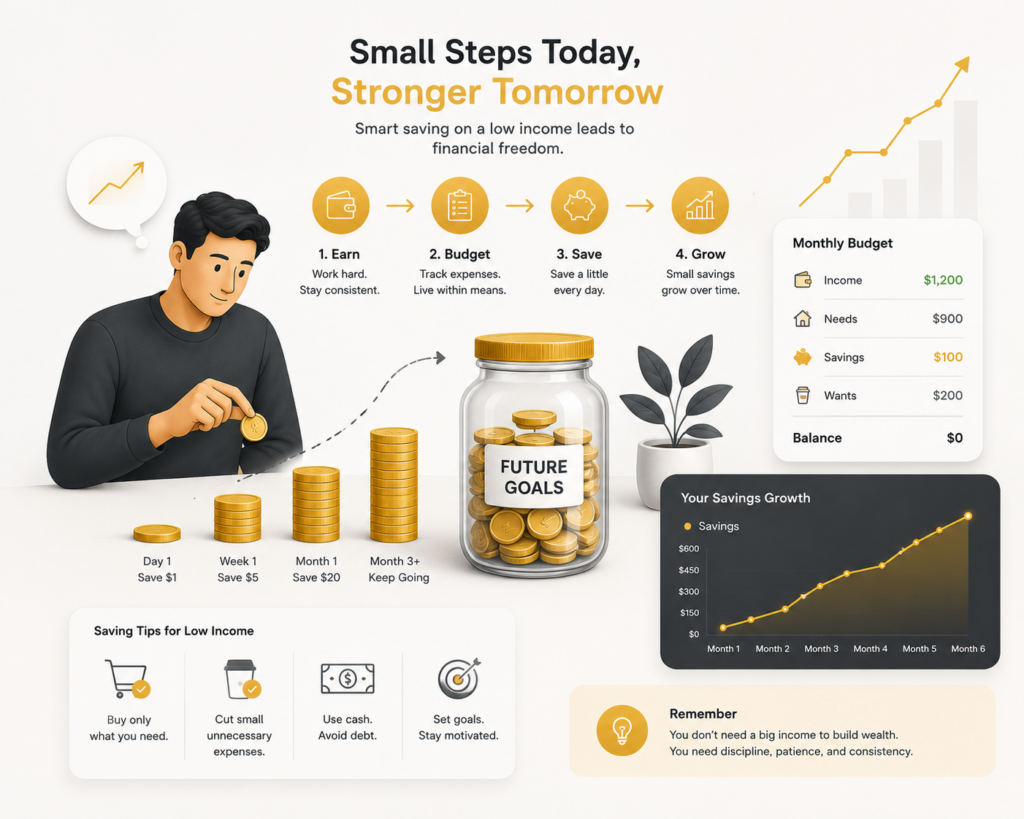
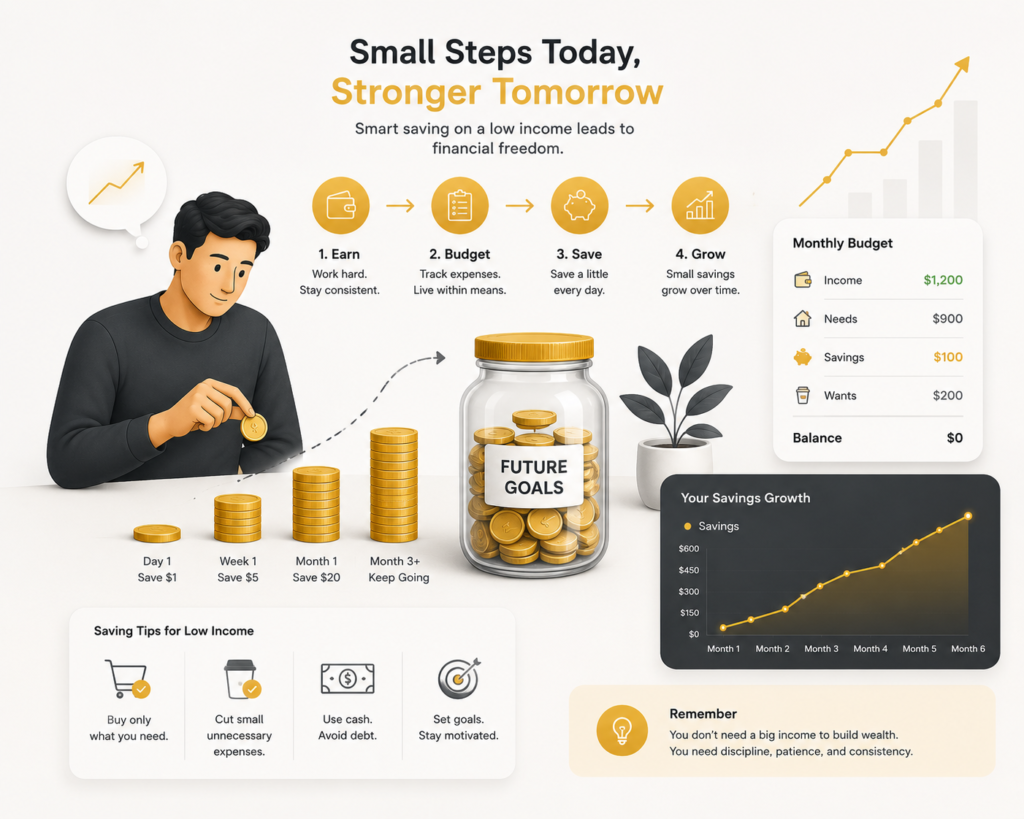
Learning how to save money fast on a low income can feel difficult especially when bills groceries rent and daily expenses consume most of your paycheck. Many people believe saving money is only possible for high earners but that is not true. Even individuals living on limited income can build savings with the right habits budgeting strategies and financial mindset. The key is understanding where your money goes and finding realistic ways to reduce unnecessary spending while increasing financial stability.
In today’s economy rising inflation and living costs have made financial management more important than ever. Millions of households struggle to save because income often feels too small compared to monthly expenses. However saving money is not only about how much you earn. It is also about how you manage what you already have. Small changes in daily habits can gradually create meaningful financial progress over time.
People often think they must make huge sacrifices to build savings quickly. In reality sustainable savings come from smart decisions rather than extreme restrictions. Skipping every enjoyable activity usually leads to frustration and burnout. Instead balanced money-saving strategies help individuals stay consistent while improving their financial future gradually.
Building savings on a low income also provides emotional security. Financial stress affects mental health relationships and overall quality of life. Having emergency savings can reduce anxiety and help people feel more confident during unexpected situations like medical bills job loss or car repairs. Even small emergency funds create a sense of stability that improves daily life.
Understanding how to save mony fast on a low income requires patience discipline and practical planning. This guide explores proven methods budgeting techniques spending habits and income strategies that can help anyone improve their financial situation without feeling overwhelmed.
Understanding Why Saving Money Feels Difficult
Saving money is challenging for many people because income often disappears quickly after covering essential expenses. Rent transportation utilities groceries healthcare and debt payments leave little room for extra savings. When every paycheck already feels stretched saving can seem unrealistic or even impossible.
Low-income households also face higher financial pressure because unexpected expenses create bigger problems. A single emergency can completely disrupt a monthly budget. People living paycheck to paycheck often rely on credit cards or loans during emergencies which creates long-term financial stress and reduces future savings potential.
Another reason saving feels difficult is emotional spending. Many people use shopping dining out or entertainment to reduce stress after difficult workdays. While occasional enjoyment is important repeated impulse spending slowly drains financial resources. Small purchases may not seem harmful individually but they can add up significantly over time.
Social pressure also affects saving habits. People often compare themselves to others online or within their social circles. This comparison encourages spending on expensive clothes gadgets vacations or dining experiences that may not fit within their budget. Trying to maintain appearances can delay financial progress for years.
Lack of financial education creates additional challenges. Many individuals were never taught how to budget track expenses or manage debt effectively. Without basic financial knowledge people may continue harmful habits without realizing how much money they lose every month. Learning these skills is one of the first steps toward financial improvement.
Creating a Realistic Budget That Actually Works
A realistic budget is one of the most powerful tools for anyone trying to save money quickly. Budgeting does not mean eliminating all enjoyment from life. Instead it helps people control spending intentionally so they can prioritize important financial goals.
The first step is calculating total monthly income after taxes. This includes salary side income freelance earnings government benefits or any other consistent sources of money. Knowing exactly how much money enters your account each month creates a clear starting point for financial planning.
Next track all expenses honestly. Many people underestimate how much they spend on food delivery coffee streaming subscriptions or convenience purchases. Recording every expense for one month often reveals spending patterns that were previously unnoticed. Small daily purchases frequently become major monthly costs.
Separating expenses into categories makes budgeting easier. Essential expenses include rent utilities groceries transportation and healthcare. Non-essential spending includes entertainment dining out shopping and luxury subscriptions. This separation helps identify areas where spending can be reduced without harming quality of life.
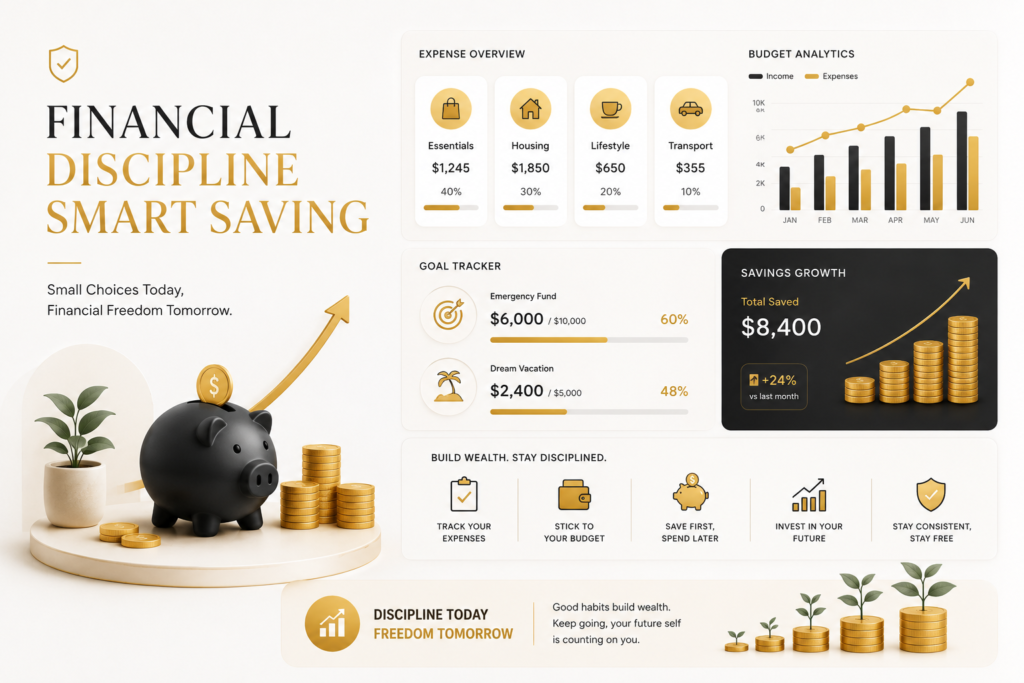
A successful budget should also include savings as a fixed monthly priority. Even saving small amounts consistently matters more than waiting for extra money that may never come. Treating savings like a monthly bill creates stronger long-term financial habits and encourages discipline.
Many budgeting methods work well for low-income households. The 50/30/20 rule is popular but people with lower incomes may need adjusted percentages focused more heavily on essentials. The important thing is creating a budget that feels realistic and sustainable rather than overly restrictive.
Everyday Expenses You Can Reduce to Save Faster
Reducing unnecessary expenses is one of the quickest ways to improve savings on a limited income. Many small expenses seem harmless individually but together they can consume hundreds of dollars every month. Understanding where money leaks happen allows individuals to take control of their finances more effectively.
The table below shows common expense categories practical saving strategies and estimated monthly savings that can help people build stronger financial habits without feeling deprived.
Expense Category
Average Monthly Cost
Money-Saving Strategy
Potential Monthly Savings
Groceries
$400
Meal planning and buying store brands
$80–$150
Dining Out
$250
Cooking at home more often
$100–$180
Transportation
$300
Carpooling or public transport
$50–$120
Streaming Services
$60
Cancel unused subscriptions
$20–$50
Electricity Bills
$150
Reduce energy usage and unplug devices
$20–$40
Shopping
$200
Avoid impulse buying and wait 24 hours
$50–$100
Mobile Phone Plan
$90
Switch to a lower-cost carrier
$20–$40
Coffee & Snacks
$120
Prepare drinks and snacks at home
$40–$80
Entertainment
$150
Use free or low-cost activities
$50–$90
Debt Payments
Variable
Pay high-interest debt faster
Saves future interest costs
Reducing expenses does not mean eliminating all enjoyment from life. Sustainable savings come from balanced choices that improve financial stability while still allowing room for occasional entertainment and personal enjoyment. Extreme budgeting often fails because it becomes emotionally exhausting and difficult to maintain.
Simple lifestyle adjustments can produce powerful long-term financial results. Preparing meals at home using cashback apps avoiding impulse shopping and limiting subscription services can collectively create significant monthly savings. Over time these savings can build emergency funds reduce debt and improve financial confidence.
Building an Emergency Fund on a Small Income
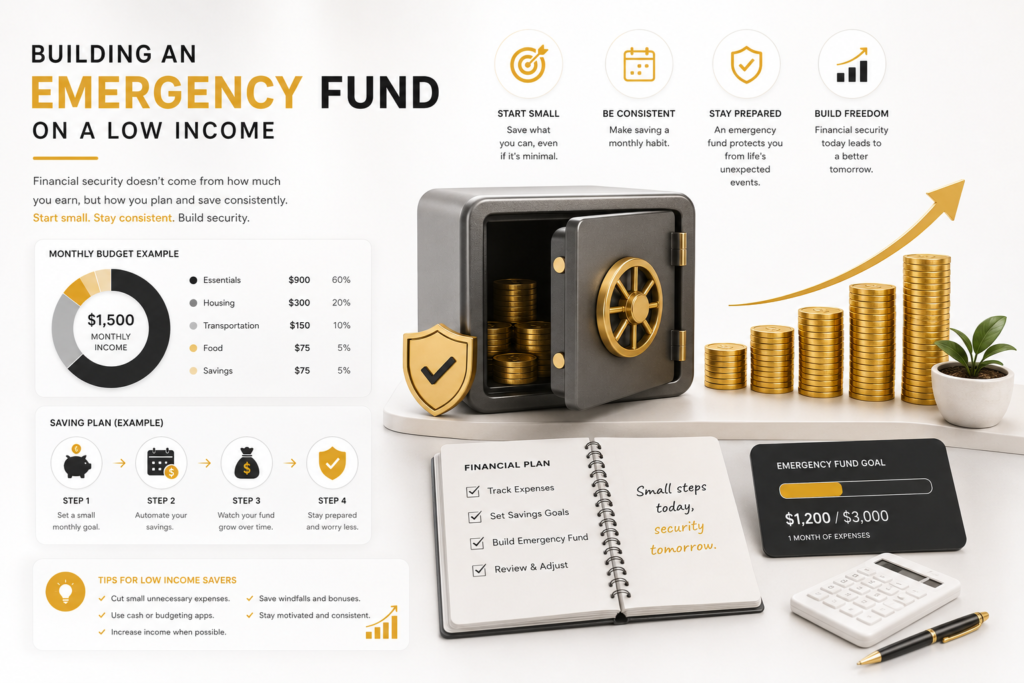
An emergency fund is essential for financial stability especially for people with lower incomes. Without savings unexpected expenses often force individuals into debt cycles that become difficult to escape. Even a small emergency fund can provide peace of mind during difficult situations.
Many people believe they need thousands of dollars immediately but building savings gradually is more realistic. Starting with a goal of saving even $500 can already cover many minor emergencies. Once that goal is reached larger savings targets become easier to pursue.
Automatic savings transfers help build consistency. Setting up automatic transfers from checking accounts to savings accounts removes the temptation to spend extra money impulsively. Even transferring small amounts weekly can lead to meaningful savings over time.
Keeping emergency funds separate from everyday spending accounts is also important. Money stored in easily accessible checking accounts often disappears through impulse spending. Separate savings accounts create a psychological barrier that encourages discipline.
Unexpected income provides excellent opportunities to grow emergency savings faster. Tax refunds bonuses gifts overtime pay or side hustle earnings can be partially directed toward savings instead of immediate spending. Many people waste these opportunities by treating extra income like free spending money.
Emergency savings create more than financial protection. They also reduce emotional stress because individuals know they can handle unexpected situations without panic. Financial security improves confidence and creates greater control over life decisions.
Finding Ways to Increase Income
Reducing expenses is important but increasing income can accelerate savings dramatically. Many people focus only on cutting costs while ignoring opportunities to earn additional money through side work or skill development.
Freelancing has become increasingly accessible through online platforms. Writing graphic design tutoring virtual assistance and social media management are examples of services people can offer remotely. Even small freelance projects can supplement monthly income significantly over time.
Selling unused items also provides quick financial relief. Many households own electronics clothing furniture or accessories that are no longer needed. Online marketplaces make it easier than ever to convert unused possessions into savings.
Part-time jobs and gig economy work can also help build emergency funds faster. Food delivery ride-sharing pet sitting and local service jobs provide flexible earning opportunities outside traditional employment hours. While these jobs may not create wealth instantly they can improve short-term financial stability.
Learning valuable skills can increase future earning potential as well. Free online courses certifications and self-education allow individuals to improve job qualifications without large financial investment. Skills in technology communication finance and digital marketing often lead to better career opportunities.
Negotiating salary increases or seeking higher-paying positions may also improve financial situations long term. Many workers remain underpaid because they never ask for raises or explore alternative employment opportunities. Researching market salaries helps individuals understand their earning potential more accurately.
Avoiding Debt Traps and Financial Mistakes
Debt is one of the biggest obstacles preventing people from saving money quickly. High-interest loans credit card balances and payday lending create financial pressure that reduces long-term stability.
Credit cards are especially dangerous when used irresponsibly. While they offer convenience carrying balances leads to expensive interest charges that accumulate rapidly. Paying only minimum balances extends debt for years and wastes large amounts of money on interest.
Payday loans are another major financial trap for low-income households. These loans often target financially vulnerable individuals with promises of fast cash. However extremely high interest rates make repayment difficult and frequently trap borrowers in repeating debt cycles.
Impulse financing also harms savings goals. Many retailers encourage installment payments for phones furniture electronics or clothing. While monthly payments may appear affordable individually multiple financing agreements create heavy financial burdens over time.
Another common mistake is ignoring financial planning entirely. Some people avoid checking bank balances or reviewing expenses because financial stress feels uncomfortable. However avoiding money management usually worsens financial problems instead of solving them.
Developing better financial habits requires awareness and discipline. Avoiding unnecessary debt paying bills on time and focusing on long-term goals helps individuals protect their income and create stronger financial foundations.
Smart Grocery Shopping Strategies
Groceries are necessary expenses but food spending often becomes excessive without proper planning. Smart grocery habits can save hundreds of dollars monthly while still providing healthy meals and balanced nutrition.
Shopping with a list is one of the simplest but most effective money-saving strategies. Grocery stores are designed to encourage impulse purchases through product placement promotions and emotional marketing. A shopping list helps consumers remain focused and avoid unnecessary spending.
Buying generic or store-brand products also reduces costs significantly. Many store brands offer similar quality compared to expensive name brands but at much lower prices. Over time these savings become substantial for families managing tight budgets.
Meal planning before grocery shopping prevents food waste and improves spending efficiency. Planning meals around affordable ingredients and existing pantry items helps reduce unnecessary purchases. Cooking larger portions and using leftovers creatively also minimizes waste.
Avoiding shopping while hungry can reduce impulse buying as well. People tend to purchase more snacks convenience foods and unnecessary items when shopping on an empty stomach. This simple habit can influence grocery spending more than many realize.
Using coupons cashback apps and loyalty programs provides additional savings opportunities. While coupons alone will not solve financial problems combining discounts with smart shopping habits can gradually lower monthly expenses.
Developing a Strong Financial Mindset
Saving money successfully is not only about numbers. Mindset plays a major role in financial progress because habits and attitudes influence daily decisions.
People who constantly believe saving is impossible often struggle to make progress because they feel discouraged before even starting. Developing a positive financial mindset encourages consistency and long-term thinking rather than short-term emotional spending.
Patience is extremely important when building savings on a low income. Social media often creates unrealistic expectations about wealth and financial success. Real financial improvement usually happens gradually through disciplined habits rather than overnight transformation.
Setting clear goals improves motivation significantly. Saving becomes easier when people understand what they are working toward. Goals may include emergency funds debt freedom education travel home ownership or financial independence. Clear goals create emotional reasons to remain disciplined.
Celebrating small financial wins also encourages consistency. Paying off debt reaching savings milestones or reducing unnecessary spending deserves recognition. These small achievements build confidence and reinforce positive financial habits over time.
Surrounding yourself with financially responsible influences can improve habits as well. Friends online communities podcasts and educational content focused on financial growth encourage healthier money decisions and long-term thinking.
Using Technology and Financial Tools Wisely
Modern technology offers many tools that help individuals manage money more effectively. Budgeting apps banking alerts savings tools and financial calculators make it easier to monitor spending and stay organized.
Budgeting apps automatically categorize expenses helping users understand where money goes every month. Seeing spending patterns visually often motivates individuals to make smarter financial decisions. Many apps also provide savings goals and budgeting reminders.
Automatic payment systems reduce the risk of late fees and missed bills. Paying bills on time improves financial stability and protects credit scores. Even small late fees accumulate over time and reduce available savings unnecessarily.
Cashback apps and reward programs can also provide small financial benefits. While these tools should never encourage unnecessary spending they can reduce costs for planned purchases and regular household expenses.
Online banking alerts help users stay aware of account balances and suspicious transactions. Financial awareness reduces overspending because individuals receive immediate notifications when purchases occur.
Financial calculators are useful for understanding debt repayment savings growth and budgeting plans. These tools help individuals make more informed decisions regarding loans savings targets and financial priorities.
Staying Consistent During Difficult Financial Times
Financial progress is rarely perfect or predictable. Unexpected expenses medical emergencies job loss or rising living costs can interrupt savings plans temporarily. Remaining consistent during difficult periods is one of the most important aspects of long-term financial success.
Many people abandon saving completely after experiencing setbacks. However temporary financial difficulties do not erase previous progress. Restarting small savings habits quickly after setbacks helps maintain momentum and emotional confidence.
Flexibility is important when managing low-income finances. Budgets sometimes require adjustments based on changing circumstances. Instead of viewing budget changes as failures they should be seen as practical adaptations to real-life situations.
Emotional resilience also matters greatly. Financial stress often creates frustration anxiety and discouragement. Developing healthy coping strategies instead of emotional spending helps individuals protect financial progress during stressful periods.
Seeking support from trusted family members financial communities or educational resources can also improve motivation during difficult times. Many people face similar financial struggles and learning from others provides encouragement and practical ideas.
Consistency ultimately matters more than perfection. Small financial improvements repeated over time create stronger results than temporary extreme efforts followed by burnout or frustration.
Conclusion
Understanding how to save mony fast on a low income requires realistic planning disciplined habits and long-term thinking. While low income creates genuine financial challenges smart budgeting and intentional spending can still help individuals build savings gradually and improve financial stability.
Saving money is not about living without enjoyment or sacrificing every comfort. Sustainable financial growth comes from balanced decisions that reduce unnecessary expenses while protecting mental well-being and quality of life. Small daily choices often have a greater impact than dramatic short-term restrictions.
Building savings also creates emotional security and confidence. Emergency funds reduce financial stress and provide protection during unexpected situations. Over time these savings habits improve overall financial health and create more opportunities for future growth.
Increasing income avoiding unnecessary debt developing financial discipline and using modern financial tools all contribute to stronger financial progress. The journey may feel slow initially but consistent habits eventually produce meaningful results.
Anyone can improve their financial future with patience education and commitment. Even small savings matter because financial stability is built gradually through repeated smart decisions rather than instant wealth.
FAQs
How can I save money quickly with a low salary?
You can save money quickly by creating a strict budget reducing unnecessary spending cooking at home limiting subscriptions and finding additional income sources like freelancing or side jobs.
What is the best budgeting method for low-income households?
The best budgeting method is one that feels realistic and sustainable. Many people succeed with simple expense tracking and prioritizing essentials before allocating money toward savings.
How much should I save each month on a low income?
Even saving a small amount consistently matters. Starting with 5% to 10% of monthly income is helpful but any regular savings habit is better than saving nothing.
Why is saving money so difficult today?
Rising living costs inflation debt and stagnant wages make saving challenging for many households. Emotional spending and lack of financial planning also contribute to financial struggles.
Can side hustles really help increase savings?
Yes side hustles can significantly improve savings. Freelancing online work delivery services and selling unused items provide additional income that can be directed toward financial goals.
Should I pay off debt or save money first?
Both are important. Building a small emergency fund while paying down high-interest debt often provides the best balance between financial security and debt reduction.
What are the biggest mistakes people make while saving money?
Common mistakes include impulse spending relying heavily on credit cards ignoring budgets financing unnecessary purchases and giving up after temporary setbacks.
I am a professional finance content writer with expertise in personal finance investing, banking, loans, insurance, credit cards, budgeting, and market related topics. I create clear, SEO optimized, and reader friendly finance content that helps audiences understand complex financial concepts in simple words. My goal is to write trustworthy and engaging content that improves search visibility, builds credibility, and supports business growth.
I am a professional finance content writer with expertise in personal finance investing, banking, loans, insurance, credit cards, budgeting, and market related topics. I create clear, SEO optimized, and reader friendly finance content that helps audiences understand complex financial concepts in simple words. My goal is to write trustworthy and engaging content that improves search visibility, builds credibility, and supports business growth.