What Is Annual Income? A Complete Guide to Calculating Understanding and Using Your Earnings
Shanzay Arain·Jun 10, 2026
When filling out a job application applying for a mortgage creating a budget or filing taxes one of the most common financial questions you’ll encounter is: what is annual income? While the term sounds straightforward many people are unsure whether annual income refers to earnings before taxes after taxes or which sources of income should be included.
Understanding annual income is essential because it plays a major role in personal finance lending decisions tax obligations retirement planning and overall financial health. Whether you’re a salaried employee hourly worker freelancer business owner or retiree knowing how annual income works can help you make smarter financial decisions.
This comprehensive guide explains everything you need to know about annual income including how to calculate it the difference between gross and net income why lenders and employers use it and how it affects your financial future.
What Is Annual Income?
Annual income is the total amount of money an individual or household earns during a calendar year or a consecutive 12-month period. It can include income from employment self-employment investments rental properties retirement benefits and other sources of earnings.
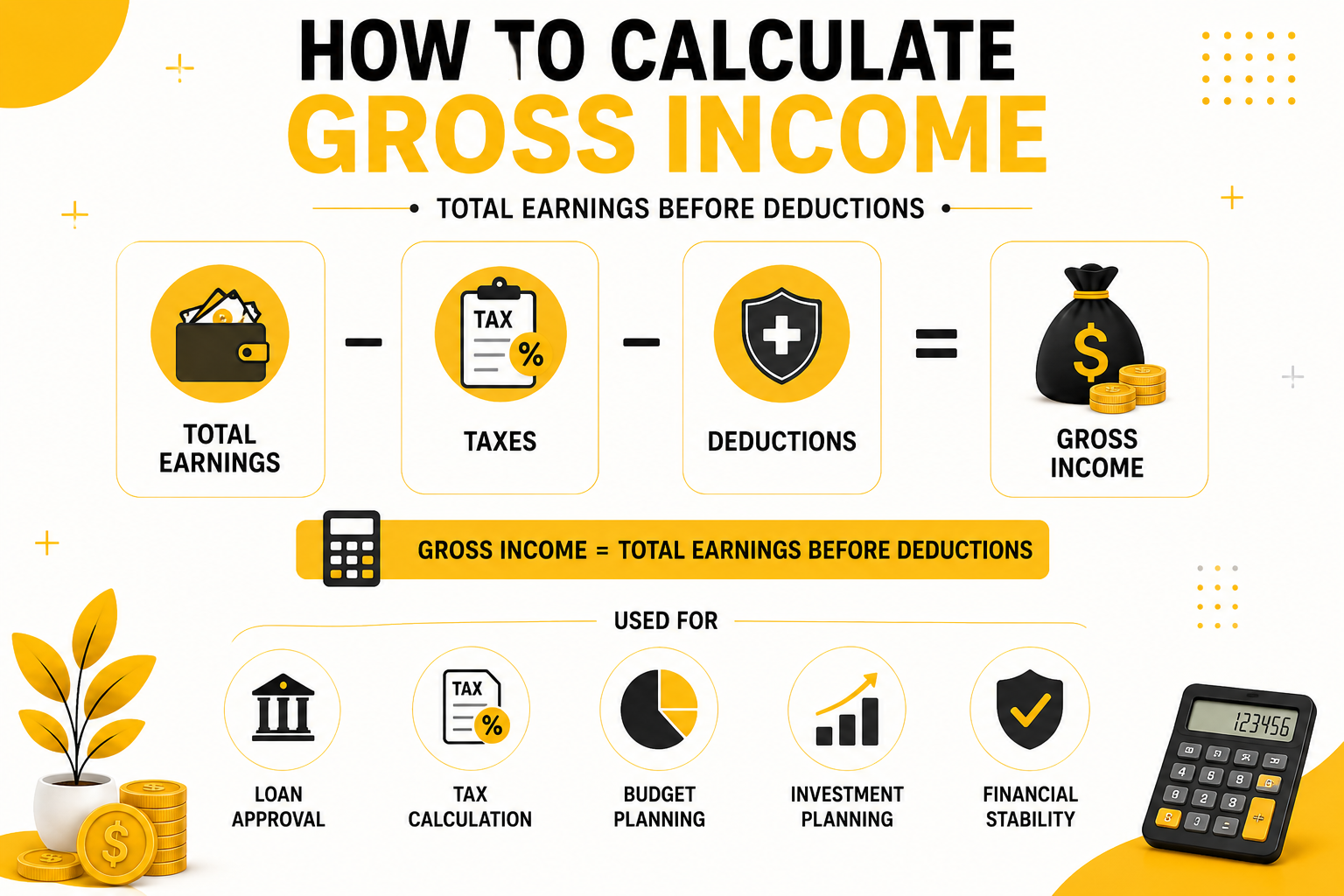
In simple terms annual income represents all the money you earn in one year before or after deductions depending on the context. Most financial institutions employers and government agencies typically refer to gross annual income which is income before taxes and deductions.
For example if you earn $5000 per month from your job your annual income would be $60000 per year. Understanding this figure helps determine eligibility for loans housing benefits and other financial opportunities.
Why Annual Income Matters
Annual income serves as one of the most important indicators of financial stability. Banks lenders landlords insurance companies and government agencies often use it to assess an individual’s ability to meet financial obligations.
Your annual income affects many areas of life including borrowing power tax brackets retirement contributions and investment opportunities. A higher annual income generally provides greater financial flexibility although expenses and debt levels also play a significant role.
Because annual income is used so widely accurately calculating and reporting it is crucial. Errors can lead to loan denials inaccurate tax filings or financial planning mistakes that may affect long-term goals.
Types of Annual Income
Annual income is not limited to wages from a traditional job. Many people receive income from multiple sources throughout the year.
Common sources of annual income include salaries hourly wages overtime pay commissions bonuses freelance work business profits rental income dividends interest earnings pensions Social Security benefits and certain government payments.
For self-employed individuals annual income typically includes net business earnings after eligible business expenses. Investors may include dividend and interest income while retirees often combine pension distributions and retirement account withdrawals when calculating annual income.
Understanding the different categories of income ensures a more accurate financial picture and helps avoid underreporting earnings when applying for loans or completing financial documents.
Gross Annual Income vs. Net Annual Income
One of the most common areas of confusion involves the difference between gross annual income and net annual income.
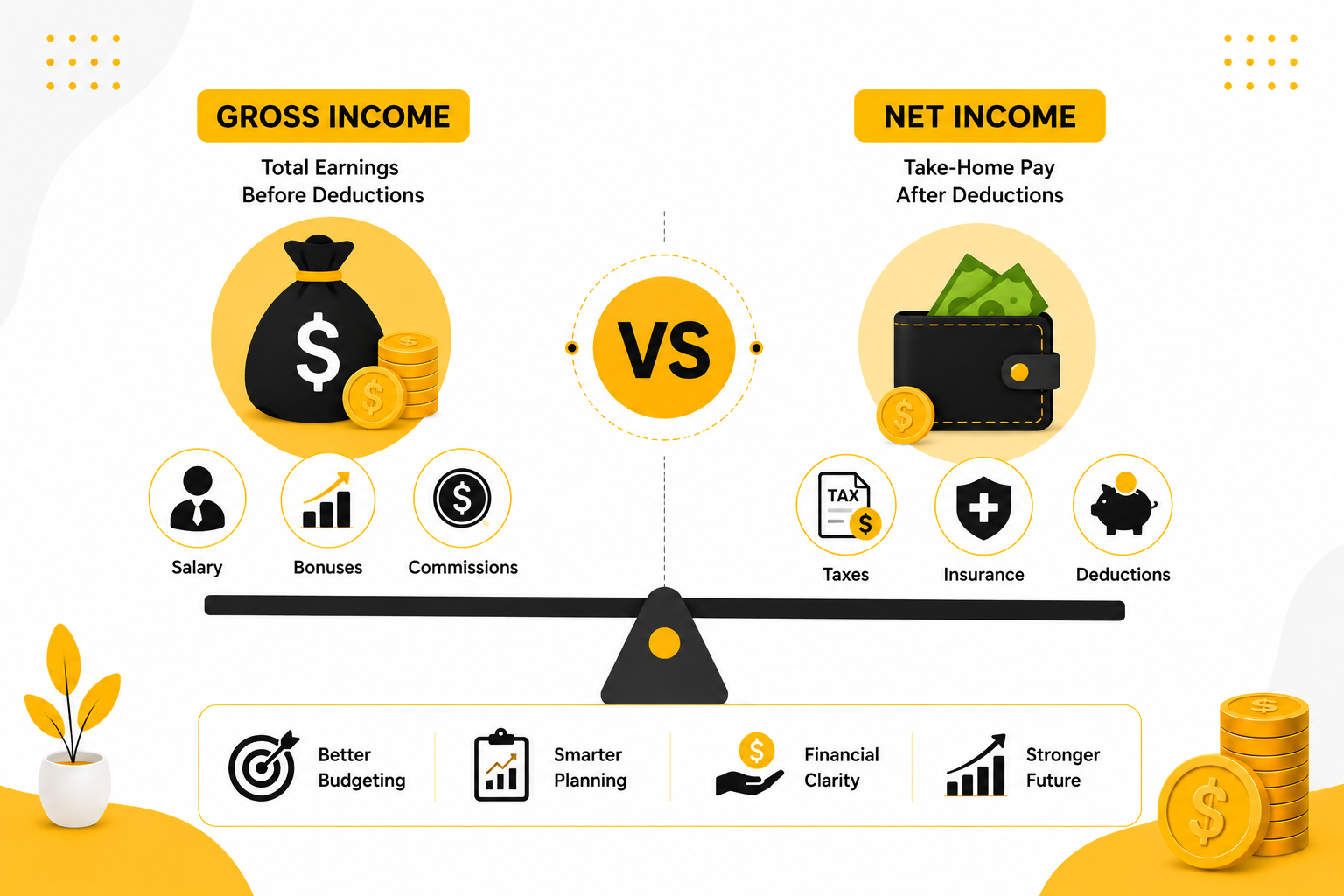
Gross annual income refers to total earnings before taxes insurance premiums retirement contributions and other deductions are removed. Most employers lenders and financial institutions use gross annual income when evaluating applicants.
Net annual income represents the amount you actually take home after taxes and deductions have been subtracted. This figure provides a more realistic view of spending power and day-to-day financial capacity.
Gross Annual Income
Net Annual Income
Income before deductions
Income after deductions
Used by lenders
Used for budgeting
Includes taxes
Excludes taxes
Higher figure
Lower figure
Common for applications
Common for personal planning
For example if someone earns a gross annual income of $80000 and pays $18000 in taxes and deductions their net annual income would be approximately $62000.
How to Calculate Annual Income
Calculating annual income depends on how you earn money. Fortunately the process is usually straightforward.
The basic formula is:
Annual Income = Total Earnings Received During One Year
For salaried employees multiply monthly salary by twelve. For hourly workers multiply hourly pay by hours worked per week and then by fifty-two weeks. Self-employed individuals should total annual earnings from all clients and projects.
Accurate calculations become especially important when preparing tax returns applying for financing or creating long-term financial plans. Keeping records of all income sources can simplify the process significantly.
How to Calculate Annual Income From an Hourly Wage
Many workers in retail hospitality healthcare and service industries are paid hourly rather than receiving a fixed salary.
To calculate annual income from hourly pay use this formula:
Hourly Rate × Hours Per Week × 52 Weeks
For example an employee earning $20 per hour and working 40 hours per week would calculate annual income as:
$20 × 40 × 52 = $41600
However actual annual earnings may vary due to overtime unpaid leave seasonal schedules or changes in work hours throughout the year.
Understanding annual income from hourly wages can help workers evaluate job offers and plan their finances more effectively.
How to Calculate Annual Income From Monthly Salary
Salaried employees often find annual income calculations simpler because their earnings remain relatively consistent.
To determine annual income from a monthly salary multiply monthly earnings by twelve.
For example:
$5500 × 12 = $66000
This calculation provides gross annual income before deductions. Employees should review pay stubs and employer benefit deductions to estimate net annual income more accurately.
Many financial institutions use annual salary figures when evaluating mortgage applications personal loans and credit approvals.
How to Calculate Annual Income From Biweekly Pay
Many employers pay workers every two weeks rather than monthly.
To calculate annual income from biweekly earnings multiply the amount of one paycheck by twenty-six since there are generally twenty-six biweekly pay periods in a year.
For example:
$2000 × 26 = $52000
This method provides a reliable estimate of gross annual income and is commonly used by employees when completing financial forms or planning budgets.
Biweekly income calculations are especially useful because they account for the additional paychecks received throughout the year compared to monthly schedules.
Annual Income for Self-Employed Individuals and Freelancers
Calculating annual income can be more complex for freelancers independent contractors and business owners because earnings often fluctuate throughout the year.
Self-employed individuals should add all business revenue received during the year and then subtract legitimate business expenses to determine net business income. This figure often serves as the annual income reported for tax and lending purposes.
For example if a freelancer earns $90000 in client payments and incurs $15000 in business expenses annual income would generally be $75000.
Maintaining organized records and tracking income regularly can make annual income calculations more accurate and reduce stress during tax season.
Does Annual Income Include Bonuses Overtime and Commissions?
In most situations bonuses commissions and overtime pay are considered part of annual income because they increase total earnings received during the year.
Sales professionals executives and performance-based employees often receive a significant portion of compensation through variable pay structures. These earnings should generally be included when calculating annual income.
However some lenders may distinguish between guaranteed income and variable income when assessing financial applications. They may require documentation showing consistent bonus or commission earnings over multiple years before including them fully.
Understanding these distinctions can help applicants provide accurate financial information during loan or mortgage applications.
Annual Household Income vs. Individual Annual Income
Annual household income differs from individual annual income because it combines earnings from all qualifying members of a household.
Household income typically includes wages salaries business income investment income retirement benefits and other earnings received by individuals living together and sharing financial responsibilities.
Government assistance programs scholarship applications housing programs and census data frequently rely on household income rather than individual earnings.
Understanding whether a form requests individual or household annual income is important because the difference can significantly affect eligibility requirements and financial evaluations.
How Annual Income Affects Taxes and Financial Planning
Annual income directly influences tax liability because the U.S. tax system uses income-based tax brackets. As annual income increases portions of earnings may be taxed at higher rates.
Beyond taxes annual income plays a critical role in retirement planning investment strategies emergency savings goals and debt management. Individuals with higher annual incomes may have greater opportunities to contribute to retirement accounts and build wealth over time.
Financial planners often use annual income as a starting point when creating comprehensive financial plans designed to balance spending saving investing and long-term goals.
Understanding how income interacts with taxes and financial planning can help individuals maximize opportunities while minimizing costly mistakes.
How Annual Income Is Used for Loans Mortgages and Credit Approvals
Lenders use annual income to determine whether borrowers can reasonably repay debt obligations. Mortgage lenders auto lenders and credit card issuers evaluate income alongside credit history and debt levels.
A higher annual income often improves approval chances because it suggests stronger repayment capacity. However income alone is not enough. Lenders also examine debt-to-income ratios employment stability and credit scores.
Providing accurate income documentation helps streamline the application process and reduces the likelihood of delays or denials.
Understanding how lenders view annual income can help borrowers prepare stronger applications and make more informed borrowing decisions.
Common Mistakes When Reporting Annual Income
Many individuals accidentally miscalculate annual income by excluding bonuses overtime freelance earnings or investment income. Others confuse gross income with net income leading to inaccurate reporting.
Another common mistake involves estimating income without reviewing pay records tax documents or bank statements. Small inaccuracies can create complications during loan underwriting tax preparation or financial planning.
Taking time to verify earnings and maintain organized records helps ensure annual income calculations remain accurate and reliable.
Being consistent in how income is reported across different financial documents can also reduce confusion and improve credibility.
Conclusion
Understandingwhat is annual incomeis essential for managing personal finances planning for the future and making informed financial decisions. Whether you’re applying for a mortgage filing taxes negotiating a salary or building a budget annual income serves as one of the most important financial metrics.
By learning the difference between gross and net income understanding how to calculate earnings from various sources and recognizing how annual income affects taxes lending and financial planning you can gain greater control over your financial future. Accurate income calculations not only improve financial confidence but also help ensure smarter decisions in every stage of life.
FAQs
What is considered annual income?
Annual income includes all earnings received during a twelve-month period. This may include wages salaries bonuses commissions freelance income investment income rental income and retirement benefits.
Is annual income before or after taxes?
In most financial contexts annual income refers to gross annual income which is income before taxes and deductions. However personal budgeting often focuses on net annual income after deductions.
How do I calculate my annual income?
Add all earnings received during one year. Salaried employees can multiply monthly salary by twelve while hourly workers multiply hourly pay by weekly hours and then by fifty-two weeks.
What is gross annual income?
Gross annual income is the total amount earned before taxes insurance premiums retirement contributions and other deductions are removed.
What is net annual income?
Net annual income is the amount remaining after taxes and deductions have been subtracted from gross annual income.
Does annual income include bonuses?
Yes. Bonuses commissions overtime pay and performance incentives are generally included in annual income calculations.
What is annual household income?
Annual household income combines the earnings of all qualifying members living in a household and sharing financial responsibilities.
How do employers verify annual income?
Employers and lenders often verify annual income through pay stubs W-2 forms tax returns employment verification letters and bank statements.
Does annual income affect mortgage approval?
Yes. Mortgage lenders use annual income to evaluate repayment ability and calculate debt-to-income ratios when reviewing applications.
How much annual income is considered middle class?
Middle-class income varies depending on location household size and economic conditions. In the United States definitions often differ by region and cost of living.
I am a professional finance content writer with expertise in personal finance investing, banking, loans, insurance, credit cards, budgeting, and market related topics. I create clear, SEO optimized, and reader friendly finance content that helps audiences understand complex financial concepts in simple words. My goal is to write trustworthy and engaging content that improves search visibility, builds credibility, and supports business growth.
I am a professional finance content writer with expertise in personal finance investing, banking, loans, insurance, credit cards, budgeting, and market related topics. I create clear, SEO optimized, and reader friendly finance content that helps audiences understand complex financial concepts in simple words. My goal is to write trustworthy and engaging content that improves search visibility, builds credibility, and supports business growth.