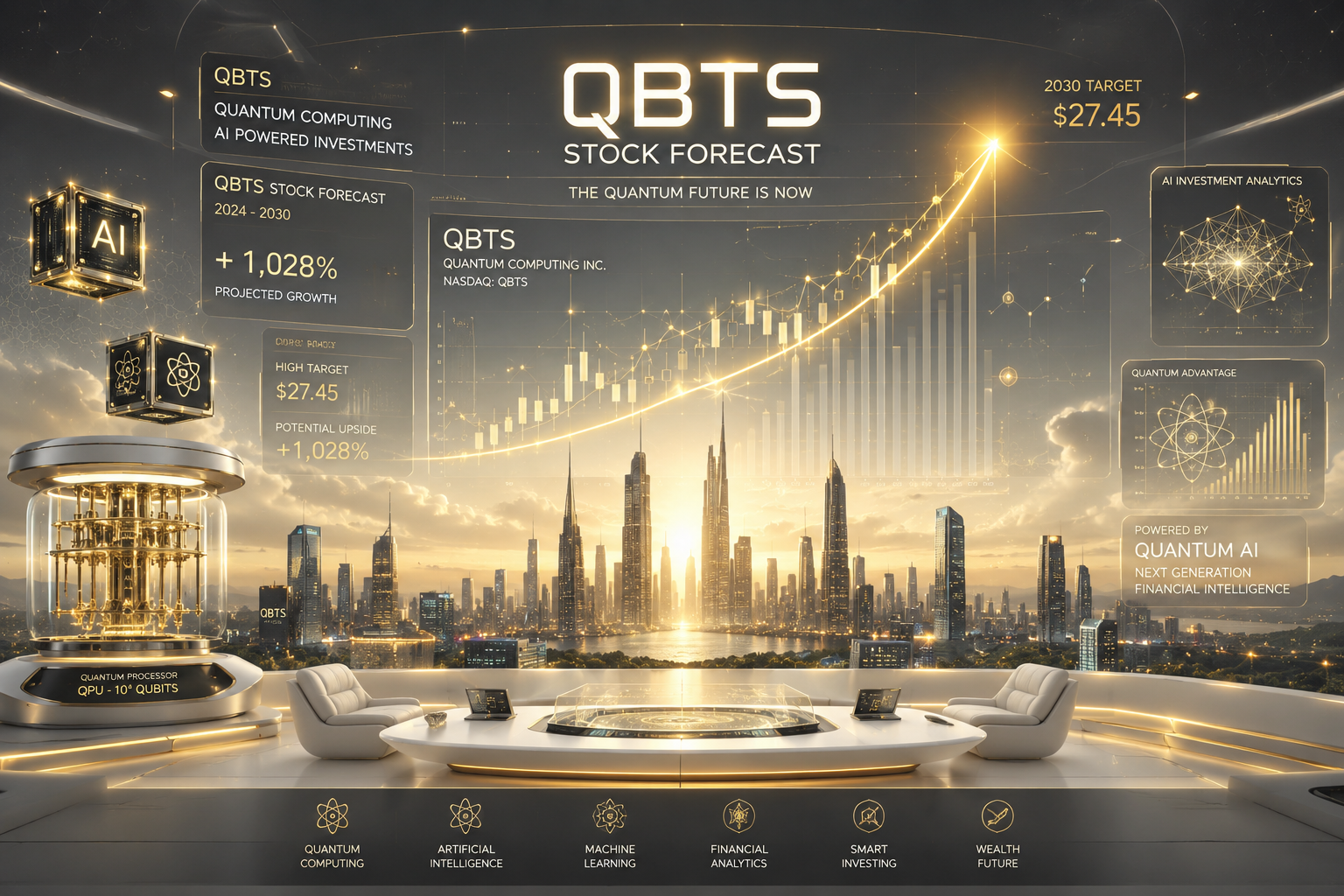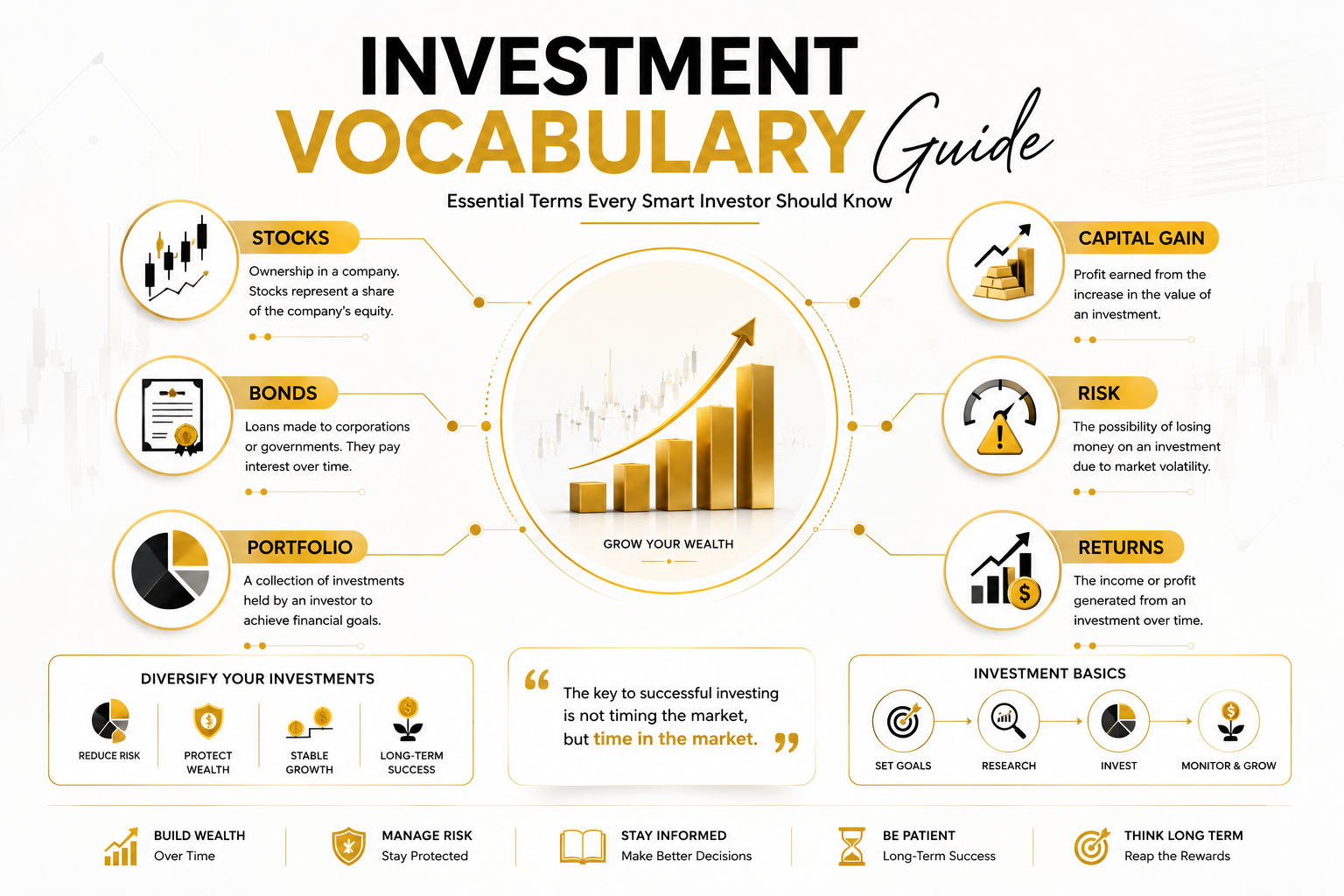
The phrase rocket stock immediately creates excitement in the minds of investors. It suggests rapid growth explosive returns and the possibility of turning an ordinary portfolio into something extraordinary. In the modern investing world few types of assets attract more attention than stocks that suddenly rise in value and dominate headlines across financial media Reddit discussions YouTube investment channels and social media investing communities. Whether the stock belongs to a technology startup an AI company a fintech platform or a space-focused business investors are constantly searching for the next major market winner.
At the same time experienced investors understand that rapid stock growth comes with both opportunity and risk. Many traders enter high-growth investments emotionally driven by fear of missing out rather than strategic financial planning. That emotional behavior often creates volatility hype cycles and unrealistic expectations. The challenge is not simply finding a rocket stock. The real challenge is understanding whether the company behind the stock has sustainable business fundamentals long-term revenue potential and the financial strength necessary to justify investor enthusiasm.
The modern financial landscape has completely changed how investors discover market opportunities. Retail investing apps financial influencers TikTok investing creators and online trading communities have accelerated the speed at which information spreads. A stock can gain massive attention within hours simply because of viral content celebrity investor interest or speculative momentum. This digital investing culture has created a new era where investor psychology matters almost as much as company earnings.

For long-term investors understanding the deeper mechanics behind high-growth investing is more important than chasing temporary market excitement. Successful wealth building rarely comes from emotional decision-making. Instead it comes from discipline research diversification and understanding how financial trends evolve over time. Rocket stock opportunities can absolutely generate wealth but investors who survive market cycles are usually those who combine optimism with careful financial analysis.
Understanding What Rocket Stock Really Means
In financial markets the term rocket stock generally refers to a stock that experiences exceptionally fast price growth over a short or medium period of time. These stocks often outperform the broader market and attract enormous investor attention due to rapid revenue growth disruptive innovation or strong future expectations. Technology companies AI startups electric vehicle manufacturers, fintech businesses and biotech firms frequently become associated with this category because they operate in industries with high growth potential.
However the term itself is not based on a formal financial definition. In reality a rocket stock is often shaped by market sentiment and investor behavior as much as business performance. A company may report strong quarterly earnings announce a major partnership or launch an innovative product that causes traders to aggressively buy shares. In other cases hype alone can push prices upward without long-term business stability supporting the valuation.
One important factor that separates sustainable growth companies from short-lived speculative assets is financial execution. Businesses that consistently increase revenue manage debt responsibly improve profit margins and expand market share are more likely to maintain investor confidence. Meanwhile companies driven entirely by online hype often struggle to justify inflated expectations once investor excitement fades.
Another interesting aspect of rocket stocks is how they reflect broader economic and cultural trends. During different periods specific industries dominate investor attention. In one decade internet businesses may lead the market. In another electric vehicles AI software cryptocurrency infrastructure or fintech platforms become the focus. Investors who understand these trend cycles are often better positioned to identify opportunities before they become mainstream.
Why Investors Are Attracted to High-Growth Stocks
The emotional appeal behind high-growth investing is powerful. People naturally want financial freedom early retirement wealth accumulation and lifestyle improvement. A single successful investment story can inspire millions of new investors to search for similar opportunities. Stories about early investors becoming millionaires through companies like Tesla Nvidia Amazon or emerging AI businesses continue to influence modern investment behavior.
Social media has amplified this effect dramatically. Financial creators on YouTube TikTok Instagram and X frequently discuss explosive stock opportunities passive income strategies and wealth-building trends. This creator economy surrounding finance has turned investing into entertainment for many younger audiences. As a result market participation among retail investors has increased significantly over the last decade.

There is also a psychological factor connected to scarcity and timing. Investors fear missing the next major opportunity. When people see a stock rapidly increasing in value many assume future growth is guaranteed. This fear of missing out often pushes investors to enter positions without fully analyzing risk valuation or market conditions. In bullish environments emotional momentum can temporarily overpower traditional financial logic.
At the same time experienced investors understand that market enthusiasm alone cannot sustain long-term growth. The companies that survive economic downturns usually possess strong leadership scalable business models operational efficiency and real competitive advantages. Wealthy investors often focus on businesses that generate consistent cash flow rather than temporary market excitement.
Another reason rocket stocks remain attractive is their connection to innovation. Investors want exposure to industries shaping the future. Artificial intelligence robotics fintech infrastructure renewable energy cloud computing cybersecurity and digital payments all represent sectors with long-term global demand. Investors believe these industries may create the next generation of financial giants which explains why capital continues flowing toward growth-focused businesses.
The Relationship Between Innovation and Rocket Stock Performance
Innovation has always played a central role in stock market growth. Companies capable of solving large-scale problems often generate enormous investor interest because their products or services can reshape industries. Businesses that innovate successfully usually create stronger customer demand expand rapidly and attract institutional investment. This combination frequently drives long-term stock appreciation.
Artificial intelligence provides a clear example of this phenomenon. AI-focused companies experienced massive investor attention because businesses worldwide are integrating machine learning automation and predictive analytics into operations. Investors recognize that technological transformation can create entirely new revenue streams and reshape global productivity. As a result companies leading AI development have experienced significant market growth.
The same pattern appears in fintech businesses. Financial technology companies simplified payments investing banking and lending for consumers around the world. Mobile banking apps digital wallets and online trading platforms fundamentally changed how people interact with money. Investors who recognized these changes early often benefited from substantial stock appreciation.
Innovation also connects strongly with entrepreneurship and digital business models. Modern startups can scale globally much faster than traditional companies because internet-based platforms reduce operational barriers. Subscription businesses creator platforms cloud services and digital marketplaces can generate recurring revenue while reaching millions of users worldwide. Investors often reward scalable models with higher market valuations.
Still innovation alone is not enough. Many innovative companies fail because they cannot monetize effectively or manage operational costs. Sustainable success requires leadership discipline financial management and long-term execution. Investors must separate companies with realistic growth strategies from businesses relying solely on speculative narratives.
How Social Media and Financial Influencers Affect Market Momentum
The influence of digital media on investing has become impossible to ignore. Platforms like YouTube TikTok Reddit and X have transformed how financial information spreads. A stock discussed by major finance creators or trending online communities can experience massive trading volume within hours. This new digital ecosystem has created a culture where market momentum often accelerates faster than traditional financial analysis can explain.
Financial influencers now play a major role in shaping retail investor sentiment. Some creators focus on genuine research and long-term investing principles while others prioritize entertainment and speculation. Viral content often simplifies complex financial topics into emotional narratives that encourage impulsive decisions. This creates situations where inexperienced investors buy stocks primarily because online personalities recommend them.
Celebrity investors and entrepreneurs also contribute to market enthusiasm. Public endorsements from well-known business figures can dramatically increase investor attention toward specific industries or companies. The relationship between celebrity branding and financial markets has grown stronger as digital audiences increasingly follow wealthy entrepreneurs as lifestyle icons rather than traditional corporate leaders.
The creator economy itself has become deeply connected to investing culture. Many finance influencers monetize content through sponsorships affiliate marketing premium communities and educational products. As investing becomes part of online entertainment culture the line between education and marketing sometimes becomes blurred. Investors must therefore learn how to evaluate information critically rather than relying entirely on online hype.
Despite these concerns social media has also improved financial accessibility. Millions of people who previously lacked exposure to investing now have access to educational content market discussions and financial tools. The key difference lies in whether investors use these resources for disciplined learning or speculative gambling.
Evaluating Whether a Rocket Stock Has Real Potential
Identifying a genuine high-growth opportunity requires more than observing price momentum. Smart investors analyze multiple financial indicators before making decisions. Revenue growth profitability trends market expansion potential leadership quality competitive positioning and debt management all play important roles in determining long-term investment strength.
Revenue growth is often one of the strongest indicators of business momentum. Companies consistently increasing sales demonstrate rising customer demand and operational effectiveness. However investors should also examine whether revenue growth translates into sustainable profitability. Some companies generate impressive sales while continuously losing money due to excessive spending or poor operational efficiency.
Leadership quality matters significantly in growth investing. Strong executives communicate realistic goals manage capital responsibly and adapt effectively during economic uncertainty. Investors often evaluate how leadership teams handled previous market challenges before trusting future expansion plans. Companies with disciplined management tend to maintain investor confidence even during volatile periods.
Another critical factor involves competitive advantage. Businesses operating in crowded industries face intense pressure from rivals. Companies that possess proprietary technology strong brand recognition network effects or unique infrastructure usually maintain stronger long-term positions. Investors searching for rocket stock opportunities should focus on businesses capable of defending market share over time.
Valuation also remains essential. Even strong businesses can become dangerous investments if prices rise too far beyond realistic expectations. Investors sometimes ignore valuation risks during bullish market cycles because optimism dominates market sentiment. Eventually however stock prices usually reconnect with underlying business fundamentals.
Risk Management and the Reality of Market Volatility
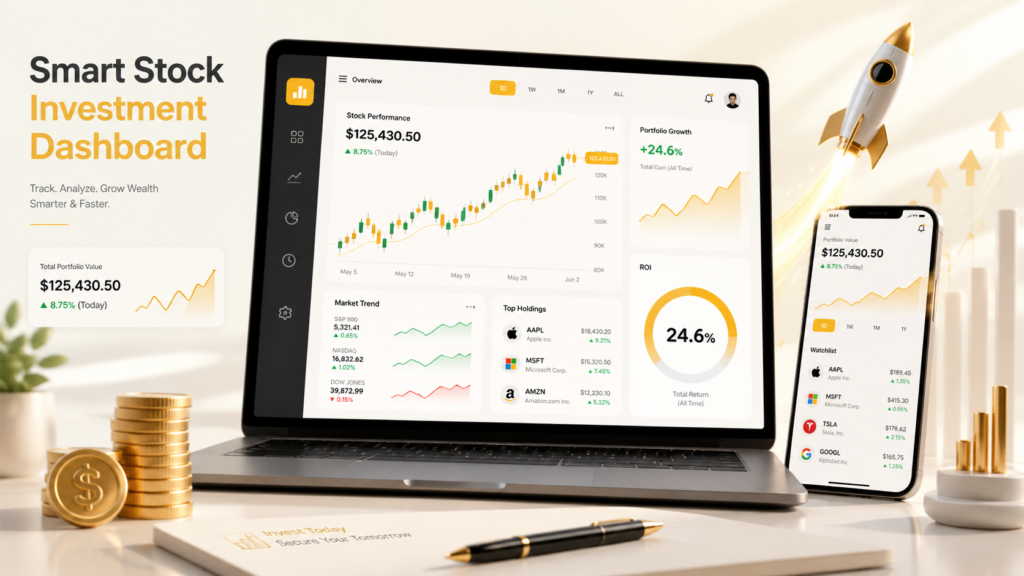
Every investment opportunity involves risk especially high-growth stocks. Rapid price appreciation often creates equally dramatic declines during market corrections. Investors who ignore risk management frequently experience emotional decision-making that damages long-term financial performance. Successful investing therefore requires balancing optimism with realistic expectations.
Market volatility is particularly common among growth-oriented companies because investors price these businesses based on future expectations rather than present earnings alone. If a company misses revenue targets faces economic pressure or experiences slowing growth market reactions can become severe. Even fundamentally strong businesses may experience sharp temporary declines during uncertain economic conditions.
Diversification remains one of the most important principles in financial management. Wealthy investors rarely place all capital into a single stock regardless of growth potential. Instead they spread investments across sectors asset classes and risk profiles. Diversification reduces the impact of unexpected losses while preserving exposure to long-term growth opportunities.
Investor psychology also influences market volatility significantly. Fear and greed drive many short-term trading decisions. During bullish phases investors become overconfident and chase momentum aggressively. During downturns panic selling often pushes prices below rational valuation levels. Understanding these emotional cycles helps investors avoid destructive behavior.
Long-term wealth building usually depends on consistency rather than short-term speculation. Investors who focus on disciplined strategies financial education and gradual portfolio growth often outperform emotionally reactive traders over time. Rocket stocks may contribute to wealth accumulation but they should fit within a broader financial strategy rather than dominate it entirely.
The Role of Institutional Investors in Stock Growth
Institutional investors play a massive role in determining whether a stock can sustain long-term momentum. Hedge funds pension funds mutual funds and large asset management firms control enormous amounts of capital. When institutions invest heavily in a company market confidence often increases because professional analysts typically conduct extensive research before allocating capital.
Institutional ownership can create stability for growth companies. Large investors usually focus on long-term performance rather than short-term market excitement. Their involvement often signals confidence in management quality revenue growth potential and industry positioning. As institutional interest rises media coverage and retail investor attention frequently increase as well.
At the same time institutional investors can also contribute to volatility. If large funds decide to reduce exposure during economic uncertainty stock prices may decline rapidly due to significant selling pressure. Retail investors sometimes underestimate how strongly institutional trading activity influences market behavior.
Another important factor involves analyst expectations. Financial institutions regularly publish research reports evaluating company performance earnings forecasts and industry trends. Positive analyst coverage often increases investor confidence while downgrades may trigger market concerns. Investors searching for sustainable rocket stock opportunities frequently monitor institutional sentiment alongside business fundamentals.
Modern financial markets increasingly blend institutional investing with retail participation. Online investing platforms have allowed ordinary investors to participate more actively than ever before. While this democratization improves accessibility it also means retail sentiment can temporarily influence markets in ways previously dominated by institutional capital.
Rocket Stocks and the Modern Wealth-Building Mindset
Modern wealth-building culture has shifted dramatically over the last decade. Younger investors increasingly prioritize financial independence digital entrepreneurship passive income and long-term asset accumulation. This cultural shift explains why growth investing remains so popular across online finance communities.
Many people no longer rely exclusively on traditional employment for financial goals. Instead they explore investing side businesses creator economy opportunities affiliate marketing digital products and online monetization strategies. Rocket stock investing often becomes part of this broader wealth-building mindset because investors hope capital appreciation can accelerate financial freedom.
The connection between investing and lifestyle branding has also grown stronger. Financial success is frequently associated with entrepreneurship luxury lifestyles productivity culture and social media influence. Some investors pursue high-growth stocks not only for financial returns but also because participating in innovative industries feels culturally aspirational.
However sustainable wealth building still depends on foundational financial habits. Budgeting debt management emergency savings long-term planning and disciplined investing remain essential regardless of market trends. Many financially successful individuals combine growth investing with diversified strategies that include retirement accounts real estate business ownership and consistent savings behavior.
The most successful investors usually avoid emotional extremes. They recognize that financial markets move in cycles and that patience often matters more than short-term excitement. Rocket stock opportunities may create substantial gains but long-term wealth typically comes from disciplined decision-making sustained over many years.
How Economic Conditions Influence High-Growth Stocks
Economic conditions strongly affect growth-oriented investments. Interest rates inflation employment trends consumer spending and Federal Reserve policies all influence investor behavior. During low-interest-rate environments investors often become more willing to pursue aggressive growth opportunities because borrowing costs remain lower and alternative investments generate weaker returns.
When interest rates rise however growth stocks frequently face pressure. Higher borrowing costs reduce corporate expansion flexibility while also increasing investor preference for safer assets like bonds. Companies that rely heavily on future earnings projections may experience valuation declines because investors discount future profits more aggressively during tighter monetary conditions.
Inflation also impacts consumer behavior and corporate profitability. Businesses with strong pricing power may adapt more effectively during inflationary periods while weaker companies struggle with rising operational costs. Investors evaluating rocket stock opportunities should consider whether businesses possess resilient models capable of surviving economic uncertainty.
Global economic trends matter as well. Supply chain disruptions geopolitical tensions technological regulation and international competition all influence market performance. Investors who understand macroeconomic conditions often make more informed decisions about sector positioning and long-term risk management.
Despite short-term economic fluctuations innovation-driven industries often continue evolving. Artificial intelligence digital payments cloud computing renewable energy and automation remain long-term structural trends regardless of temporary economic cycles. Investors capable of distinguishing temporary volatility from lasting transformation may identify stronger opportunities over time.
The Difference Between Investing and Speculation
One of the most important lessons in finance involves understanding the difference between investing and speculation. Investing focuses on analyzing business fundamentals long-term growth potential and sustainable value creation. Speculation meanwhile often depends primarily on predicting short-term price movements driven by market sentiment.
Rocket stock discussions frequently blur the line between these approaches. Some investors carefully research innovative companies with strong balance sheets and scalable business models. Others simply chase momentum hoping prices continue rising regardless of underlying financial reality. While speculation can generate profits temporarily it also exposes investors to substantial risk.
Long-term investors usually prioritize companies capable of generating consistent earnings growth and maintaining competitive advantages. They evaluate leadership quality industry trends operational efficiency and customer demand before allocating capital. Their goal is wealth accumulation through business ownership rather than emotional trading.
Speculators on the other hand often focus heavily on timing and market psychology. Social media trends viral news celebrity endorsements and technical chart patterns frequently influence speculative behavior. While some traders succeed using short-term strategies many underestimate how quickly market sentiment can reverse.
Financial education plays a critical role in helping investors avoid costly mistakes. Understanding valuation metrics portfolio diversification risk tolerance and market history creates stronger decision-making frameworks. Investors who approach markets with discipline and realistic expectations usually navigate volatility more effectively.
Building a Smarter Long-Term Investment Strategy
Successful investing rarely depends on discovering a single perfect stock. Instead long-term wealth building usually results from strategic consistency disciplined behavior and continuous learning. Investors who combine growth opportunities with diversified financial planning often achieve stronger long-term outcomes than those relying entirely on speculation.
A balanced investment strategy may include growth stocks dividend-paying companies index funds real estate exposure and retirement accounts. This diversified structure allows investors to participate in market upside while reducing concentration risk. High-growth opportunities can still play an important role but they function best within a broader financial framework.
Continuous education also matters enormously in modern markets. Financial trends evolve rapidly due to technological innovation changing consumer behavior and global economic developments. Investors who stay informed about emerging industries digital business models and macroeconomic conditions often identify opportunities earlier than the general market.
Another essential component involves emotional discipline. Market cycles inevitably include both optimism and fear. Investors who remain calm during volatility typically avoid impulsive decisions that damage long-term performance. Patience consistency and rational analysis often produce better outcomes than emotional reactions.
Ultimately wealth building is a long-term process rather than a short-term event. Rocket stock opportunities may contribute to financial growth but sustainable success usually comes from combining strategic investing with healthy financial habits diversified assets and realistic expectations.
Conclusion
Rocket stock opportunities continue attracting investors because they represent the possibility of accelerated wealth creation financial freedom and participation in transformative industries. Technology innovation artificial intelligence fintech expansion and digital entrepreneurship have created enormous growth potential across global markets. Investors naturally want exposure to businesses shaping the future economy.
At the same time successful investing requires far more than chasing headlines or following social media hype. Sustainable wealth building depends on financial discipline research diversification emotional control and long-term thinking. Investors who understand business fundamentals and market psychology are often better positioned to identify opportunities capable of surviving beyond temporary speculation.
The modern investing environment offers unprecedented access to financial information trading tools and educational resources. Retail investors now participate in markets more actively than ever before. While this accessibility creates opportunities it also increases the importance of critical thinking and responsible financial management.
A true rocket stock is not simply a company experiencing short-term excitement. The strongest long-term investments usually combine innovation operational excellence leadership discipline scalable business models and sustainable revenue growth. Investors who focus on these deeper fundamentals rather than emotional hype often build stronger portfolios over time.
In the end the goal should not be finding overnight riches. The real objective is building lasting financial security through informed decisions strategic patience and consistent investment habits. Markets will always create new opportunities but disciplined investors are the ones most likely to transform those opportunities into long-term wealth.
FAQs
What does rocket stock mean in investing?
Rocket stock generally refers to a stock experiencing extremely rapid price growth due to investor excitement strong business performance innovation or future growth expectations. These stocks often attract heavy market attention and increased trading volume.
Are rocket stocks good for long-term investing?
Some rocket stocks become excellent long-term investments if the underlying business has sustainable revenue growth competitive advantages and strong leadership. However many highly speculative stocks lose momentum quickly so investors should research carefully before investing.
Why do social media platforms influence stock prices?
Social media spreads financial information and investor sentiment extremely quickly. Viral discussions influencer content and online investing communities can increase buying activity especially among retail investors leading to rapid price movements.
What industries usually produce rocket stocks?
Technology artificial intelligence fintech renewable energy biotech cloud computing cybersecurity and digital platform businesses often produce high-growth stocks because these industries have strong future expansion potential.
How risky are high-growth stocks?
High-growth stocks can be very volatile because their valuations often depend on future expectations rather than current profits alone. Economic uncertainty missed earnings targets or slowing growth can cause significant price declines.
How can beginners evaluate a rocket stock?
Beginners should analyze revenue growth profitability leadership quality debt levels market opportunity and competitive advantages. Diversification and risk management are also essential before investing in volatile assets.
Is it possible to build wealth through growth investing?
Yes many investors build wealth through growth investing over long periods. However success usually comes from disciplined investing patience diversification and avoiding emotional decision-making rather than chasing hype.

I am a professional finance content writer with expertise in personal finance investing, banking, loans, insurance, credit cards, budgeting, and market related topics. I create clear, SEO optimized, and reader friendly finance content that helps audiences understand complex financial concepts in simple words. My goal is to write trustworthy and engaging content that improves search visibility, builds credibility, and supports business growth.