Medicare vs Medicaid: Key Differences, Costs & Eligibility
Shanzay Arain·Aug 10, 2026
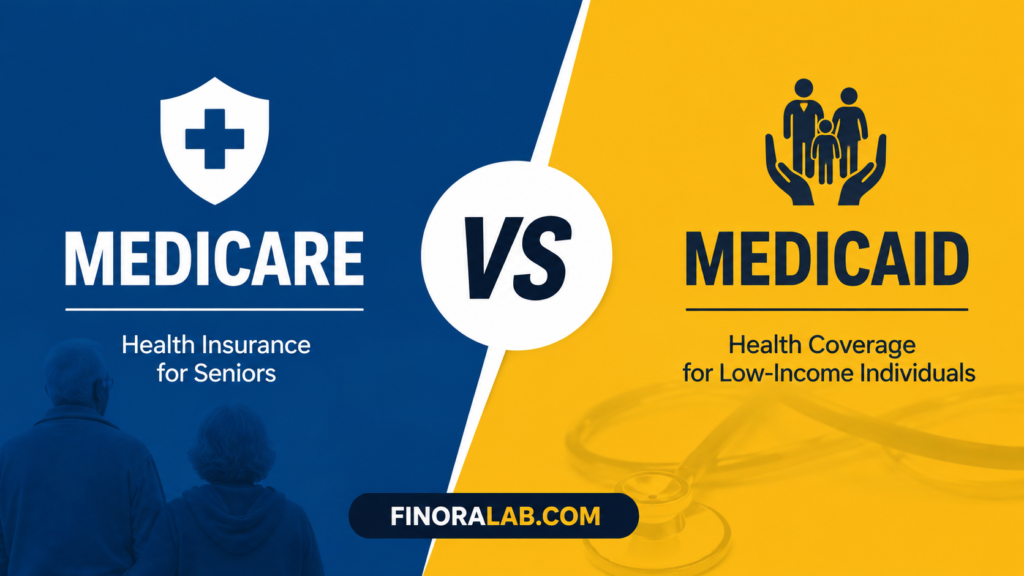
Understanding Medicare vs Medicaid can be confusing because both programs help Americans pay for health care, but they serve different populations and operate under different rules. Medicare is primarily federal health insurance for people age 65 and older, along with certain younger people with qualifying disabilities or medical conditions. Medicaid is a joint federal and state program designed primarily for people who meet specific income and eligibility requirements. The two programs can sometimes work together, particularly for people who qualify based on both age or disability and financial need.
The most important difference is how eligibility is determined. Medicare generally focuses on age, disability, or certain medical conditions, while Medicaid eligibility is largely based on income, household circumstances, resources, and state specific rules. Medicare is administered at the federal level, whereas Medicaid is jointly funded and administered by federal and state governments. Because Medicaid rules can vary considerably by state, someone who qualifies in one state may not necessarily qualify under identical circumstances elsewhere. Understanding these distinctions can help with health care planning and household budgeting.
What Is Medicare and Who Qualifies?
Medicare is a federal health insurance program most commonly associated with Americans age 65 and older. Certain people younger than 65 can also qualify after meeting specific disability related requirements or having certain qualifying conditions. Medicare is divided into different parts that address different types of health care. Part A generally covers inpatient hospital services, while Part B covers physician services, outpatient care, medical equipment, and other medically necessary services. Medicare Advantage, known as Part C, provides another way to receive Medicare benefits through Medicare approved private health plans.
Eligibility for Medicare is not generally determined by household income in the same way Medicaid eligibility is. A person can have substantial retirement savings or investment assets and still qualify for Medicare because eligibility is primarily tied to age or qualifying disability circumstances. However, income can affect certain Medicare premiums, and beneficiaries may still face deductibles, coinsurance, copayments, and other expenses. This makes Medicare an important consideration in retirement planning. Having Medicare does not automatically mean that every health care expense will be completely covered.
What Is Medicaid and Who Qualifies?
Medicaid is a joint federal and state health coverage program intended to assist eligible people with limited income and, depending on the state and category, limited resources or other qualifying circumstances. Coverage can include eligible children, pregnant women, parents, adults, older adults, and people with disabilities. Unlike Medicare, Medicaid eligibility rules can vary substantially from state to state. Each state operates its Medicaid program within federal requirements, which means income thresholds, resource rules, covered services, and application procedures can differ.
One major reason Medicaid is important in financial planning is that it can cover services that Medicare generally does not cover in the same way. Depending on eligibility and state rules, Medicaid may help with long term care, nursing facility services, personal care, home and community based services, and certain cost sharing expenses. Medicaid can therefore be particularly important for households facing significant health care costs. Anyone considering Medicaid should check their states current eligibility rules instead of relying on general national assumptions.
Medicare vs Medicaid Key Differences at a Glance
The simplest way to understand Medicare vs Medicaid is to compare their primary purposes. Medicare is federal health insurance primarily connected to age or qualifying disability, while Medicaid is a federal state program primarily connected to financial eligibility and other state specific requirements. Medicare generally follows national eligibility standards, although costs and coverage choices can vary depending on the plan selected. Medicaid has more significant state level variation, so eligibility and benefits can differ based on where a person lives.
Another important difference is that Medicare is not designed specifically for low income households. A person may qualify for Medicare regardless of being wealthy enough to have substantial assets. Medicaid, by contrast, is intended to help eligible people who meet financial and other requirements. However, these programs are not mutually exclusive. A person can qualify for both. When someone has both Medicare and full Medicaid coverage, the person is commonly described as being dually eligible, with Medicare generally paying first for Medicare covered services and Medicaid paying afterward according to applicable rules.
Medicare vs Medicaid Eligibility Requirements
Medicare eligibility is generally straightforward compared with Medicaid. Most people become eligible around age 65, although younger people can qualify under specific disability or medical circumstances. Medicare eligibility does not generally depend on whether someone has a low income. Instead, factors such as age, disability status, work history, and certain qualifying medical conditions can determine eligibility. Some Medicare beneficiaries may pay premiums for certain coverage, while others may qualify for premium free Part A depending on their circumstances.
Medicaid eligibility is more complicated because several factors can matter simultaneously. Income, household size, age, disability, pregnancy, family status, residency, and resources can affect eligibility depending on the state and Medicaid category involved. Some states have expanded Medicaid eligibility for certain adults, while others use different eligibility structures. People approaching retirement should not assume that having Medicare automatically eliminates Medicaid eligibility. If income or assets are near a states limits, it can be especially important to obtain current information directly from the state Medicaid agency.
How Medicare Coverage Works
Original Medicare consists primarily of Part A and Part B. Part A generally covers inpatient hospital care, skilled nursing facility services under qualifying circumstances, hospice care, and certain home health services. Part B generally covers medically necessary physician services, outpatient services, preventive services, medical equipment, and other eligible care. Beneficiaries generally pay a share of covered expenses. Depending on the circumstances, that can include premiums, deductibles, and coinsurance.
Medicare beneficiaries can also consider Medicare Advantage, formally called Part C. Medicare Advantage plans are offered by private insurers approved by Medicare and provide an alternative way to receive Medicare covered benefits. Many plans include prescription drug coverage and may provide additional benefits such as dental, vision, or hearing services. However, network restrictions and plan specific rules can apply. When comparing options, beneficiaries should consider not only the monthly premium but also provider networks, prescriptions, deductibles, copayments, coinsurance, prior authorization requirements, and the plans annual out of pocket limit.
How Medicaid Coverage Works
Medicaid works differently because it is administered through state programs operating under federal requirements. States must provide certain mandatory benefits and may offer additional optional benefits. This means Medicaid coverage can include important health services beyond what a person might expect from traditional health insurance. Depending on the state and eligibility category, benefits can include hospital services, physician care, prescription medications, preventive care, nursing facility services, transportation, and various long term services and supports.
For people with limited financial resources, Medicaid can play a major role in protecting household finances from large medical expenses. Some Medicaid programs have very low or limited cost sharing requirements for eligible beneficiaries. Medicaid can also assist certain Medicare beneficiaries with premiums and other Medicare related expenses through programs such as Medicare Savings Programs. Because the details differ by state, it is important to verify current eligibility, income calculations, resource rules, and covered services through the appropriate state agency before making financial decisions.
Can You Have Medicare and Medicaid at the Same Time?
Yes, some people can qualify for both Medicare and Medicaid. These individuals are commonly referred to as dual eligible beneficiaries. This situation often occurs when a person qualifies for Medicare because of age or disability and separately qualifies for Medicaid because of limited income and other eligibility requirements. Having both programs can provide more comprehensive financial protection than relying on Medicare alone, particularly for certain costs and services that Medicare does not fully cover.
When someone has both Medicare and full benefit Medicaid, Medicare generally pays first for Medicare covered services. Medicaid generally pays after Medicare and other applicable insurance coverage. Depending on the persons Medicaid category and state rules, Medicaid may help with Medicare premiums, deductibles, coinsurance, and copayments. It may also cover certain services Medicare does not normally cover. However, dual eligibility does not mean every medical bill becomes completely free, so beneficiaries should understand their exact coverage and plan rules.
Medicare vs Medicaid Costs and Out of Pocket Expenses
The cost of Medicare depends on the coverage a beneficiary chooses and individual circumstances. Original Medicare can involve premiums, deductibles, coinsurance, and other expenses. Part B generally requires a monthly premium, while Part D prescription drug coverage can involve another premium if purchased separately. Medicare Advantage plans have their own cost structures. Some may advertise low or $0 monthly plan premiums, but beneficiaries still need to evaluate deductibles, copayments, coinsurance, provider networks, prescription costs, and other expenses.
Medicaid costs are generally structured differently for eligible beneficiaries, but the exact amount varies by state and eligibility category. Some beneficiaries may have little or no cost sharing for covered services, while other programs can have limited premiums or copayments. This distinction matters when creating a household budget. A person comparing Medicare and Medicaid should avoid judging affordability solely by monthly premiums. The more useful calculation is the expected annual cost, including premiums, deductibles, medications, specialist visits, hospital care, transportation, long term services, and other likely health expenses.
Medicare vs Medicaid and Long Term Care
Long term care is one of the most important differences when comparing Medicare vs Medicaid. Medicare generally does not function as comprehensive long term care insurance. It may cover certain skilled nursing or home health services when specific requirements are met, but it is not designed to pay indefinitely for custodial long term care. This distinction is critical because nursing home care, assisted living, personal care, and extended support services can become major expenses during retirement.
Medicaid can be significantly more important for people who eventually require qualifying long term services and supports. Depending on state rules and eligibility, Medicaid may help cover nursing facility services and certain home and community based services. However, qualifying for Medicaid for long term care can involve complicated financial and eligibility rules. Retirement assets, income, transfers, property, and other financial factors can matter. Anyone planning for possible long term care should consider professional guidance before transferring assets or making major financial changes solely to pursue eligibility.
Medicare vs Medicaid for Seniors and People With Disabilities
Older adults frequently encounter both programs because Medicare is strongly associated with age based eligibility while Medicaid can provide additional assistance to people with limited financial resources. A senior who qualifies for Medicare may still qualify for Medicaid if the person meets state specific income, resource, and other requirements. In that situation, Medicaid can potentially reduce some Medicare related costs and provide benefits that Medicare does not generally cover.
People with disabilities may also qualify for one or both programs depending on their circumstances. Medicare may become available to certain individuals under 65 after meeting applicable disability requirements, while Medicaid can provide coverage based on disability and financial eligibility. The interaction between programs can become complicated when someone receives Social Security disability benefits, has earned income, owns assets, or experiences changes in household finances. Beneficiaries should report relevant changes and regularly verify their eligibility rather than assuming coverage will remain unchanged.
Medicare vs Medicaid for Prescription Drugs
Prescription drug coverage is another area where Medicare and Medicaid interact differently. Medicare beneficiaries can obtain prescription drug coverage through Part D or, in many Medicare Advantage plans, as part of the overall plan. Drug formularies, deductibles, copayments, coinsurance, pharmacies, and coverage rules can vary. Therefore, beneficiaries should evaluate their actual medications rather than choosing a plan solely because it has a low premium.
People who qualify for both Medicare and Medicaid generally receive their prescription drug coverage through Medicare rather than relying on Medicaid for ordinary Medicare covered prescriptions. Certain low income Medicare beneficiaries may also qualify for Extra Help with Medicare prescription drug costs. This can substantially affect household budgeting. Anyone comparing plans should review current drug lists, preferred pharmacies, coverage restrictions, and estimated annual costs because a plan with a lower premium is not necessarily the cheapest option for someone with expensive or multiple prescriptions.
Medicare vs Medicaid and Financial Planning
Health insurance should be treated as a core part of financial planning rather than an isolated administrative decision. For retirees, medical costs can affect how quickly savings are depleted, how much income is needed each year, and how much money should remain available for emergencies. A household might have adequate assets for ordinary living expenses but still face financial stress if it experiences prolonged medical needs. Understanding Medicare, Medicaid, supplemental insurance, and long term care options can therefore improve retirement planning.
Budgeting should also account for expenses that are not fully covered by insurance. A practical retirement health care budget can include monthly premiums, prescriptions, dental care, vision expenses, transportation, deductibles, specialist visits, and an emergency reserve. People with limited income should also investigate whether they qualify for Medicaid or Medicare Savings Programs. These programs can potentially reduce health related financial pressure. However, eligibility rules can change, so financial plans should be reviewed periodically rather than built around assumptions that remain unchanged indefinitely.
Medicare Advantage, Medigap, and Medicaid Compared
Medicare beneficiaries who use Original Medicare can consider supplemental coverage, including Medigap, to help pay certain out of pocket costs. Medigap policies are private insurance policies designed to help cover some cost sharing associated with Original Medicare. They generally do not provide comprehensive long term care coverage, routine dental care, hearing aids, or most vision expenses. Beneficiaries should also understand enrollment rules because the ability to obtain a Medigap policy at favorable terms can depend on timing and individual circumstances.
Medicaid can sometimes provide assistance that complements Medicare without requiring a separate Medigap policy. If someone qualifies for full Medicaid coverage, the state may help pay certain Medicare premiums and cost sharing amounts, depending on the persons eligibility level. However, Medicaid eligibility is not guaranteed merely because someone is enrolled in Medicare. A beneficiary should compare the total value of available options, including premiums, provider access, prescription coverage, long term care benefits, and out of pocket exposure. The best choice depends heavily on individual circumstances and state rules.
Common Mistakes When Comparing Medicare and Medicaid
One common mistake is assuming Medicare and Medicaid are simply two versions of the same program. They are not. Medicare is primarily federal health insurance connected to age or qualifying disability, while Medicaid is a joint federal state program with substantial state level eligibility differences. Another mistake is focusing only on monthly premiums. A plan with a low premium may still result in higher total costs if the beneficiary frequently needs specialists, expensive medications, hospital services, or out of network care.
Another mistake is assuming that Medicare automatically covers long term custodial care. This misunderstanding can create major retirement planning problems. People should also avoid giving away assets or changing ownership of property without understanding the potential consequences of Medicaid eligibility rules. Financial transactions involving family members, trusts, property, or retirement accounts can have complex implications. Before making significant decisions, beneficiaries should verify current rules and consider advice from qualified professionals familiar with Medicare, Medicaid, taxes, and elder care planning.
How to Choose Between Medicare and Medicaid
For many people, choosing between Medicare and Medicaid is not actually a choice because eligibility determines which program is available. Someone who qualifies for Medicare but does not meet Medicaid requirements may use Medicare and potentially purchase additional coverage. Someone who qualifies for both can potentially coordinate the two programs. The first step is therefore determining eligibility rather than choosing based solely on perceived benefits.
Once eligibility is established, compare the practical impact on your household. Review your doctors, hospitals, prescriptions, expected health needs, income, assets, monthly budget, and possible long term care requirements. If you have Medicare, compare Original Medicare with Medicare Advantage when appropriate. If you have limited income, investigate Medicaid and Medicare Savings Programs. Your decision should focus on total health care exposure, not simply the lowest advertised premium. This approach is more useful for long term financial planning.
Conclusion
Medicare vs Medicaid is ultimately a comparison between two different public health coverage systems with different eligibility rules, funding structures, and purposes. Medicare is primarily federal health insurance for people age 65 and older and certain younger people with qualifying disabilities or conditions. Medicaid is jointly funded by federal and state governments and provides coverage to eligible people based largely on financial and other state specific requirements. The two programs can also work together for people who qualify for both.The right approach is to evaluate your personal circumstances rather than assuming one program is universally better. Consider eligibility, income, assets, health needs, prescription drugs, provider networks, premiums, deductibles, cost sharing, and long term care needs. If you are approaching retirement, health coverage should be part of your broader financial plan alongside Social Security, retirement savings, taxes, debt management, and emergency reserves. Always confirm current requirements through official government resources before making major financial or health care decisions.
What is the main difference between Medicare and Medicaid?
The primary difference is eligibility and program structure. Medicare is a federal health insurance program primarily for people age 65 and older and certain younger people who meet disability or qualifying medical requirements. Medicaid is a joint federal and state program that provides health coverage to people who meet specific financial and other eligibility requirements. Medicare generally does not use household income as its primary eligibility test, while Medicaid eligibility often depends heavily on income and, for certain categories, resources and other circumstances.
Can you have Medicare and Medicaid at the same time?
Yes. Some people qualify for both programs and are called dual eligible beneficiaries. This can happen when someone qualifies for Medicare because of age or disability and separately qualifies for Medicaid because of financial and other state specific eligibility requirements. When a person has both, Medicare generally pays first for Medicare covered services, while Medicaid generally pays after Medicare and other applicable coverage. Depending on eligibility, Medicaid may also help pay certain Medicare premiums and cost sharing expenses.
Is Medicaid better than Medicare?
Neither program is universally better because they serve different purposes and eligibility groups. Medicare provides broad federal health coverage primarily based on age or qualifying disability, while Medicaid focuses on eligible people who meet financial and other requirements. Medicaid can offer benefits that Medicare generally does not, particularly in areas such as certain long term care services. Medicare can provide broad access to participating providers, while Medicare Advantage plans can have networks and additional benefits. The better coverage depends on your health needs, finances, eligibility, and location.
Does Medicare cover long term care?
Medicare generally does not provide comprehensive long term custodial care coverage. It can cover certain skilled nursing and home health services when specific requirements are met, but it is not designed to pay indefinitely for assistance with daily living. This distinction is important for retirement planning because long term care can become a significant expense. People concerned about future care needs should evaluate Medicaid eligibility, long term care insurance, personal savings, and other planning strategies rather than assuming Medicare will pay for all extended care.
Does Medicaid pay Medicare premiums?
For eligible beneficiaries, Medicaid or Medicare Savings Programs may help pay certain Medicare related costs. Depending on the persons eligibility category and state rules, assistance can include the Medicare Part B premium and potentially other Medicare cost sharing expenses. Not everyone with Medicare qualifies for this assistance. Eligibility can depend on income, resources, household circumstances, and state requirements. If your income is limited, it is worth checking with your state Medicaid agency or a qualified benefits counselor to determine whether you qualify for assistance.
What is the difference between Medicare Advantage and Medicaid?
Medicare Advantage is a Medicare coverage option offered through private insurance companies approved by Medicare. It provides Medicare Part A and Part B benefits and often includes prescription drug coverage and additional benefits. Medicaid is a public health coverage program jointly funded by federal and state governments for people who meet eligibility requirements. A person can potentially have Medicaid and enroll in a Medicare Advantage plan if eligible for both programs. Special plan options may exist for people who are dual eligible, depending on location and circumstances.
Does Medicaid cover dental and vision care?
Medicaid can cover dental and vision related services, but the exact benefits vary considerably by state and eligibility category. States have mandatory Medicaid benefits and may choose to provide additional optional benefits. Childrens coverage can differ from adult coverage, and adult dental benefits are especially variable. Medicare generally does not cover routine dental, routine vision, or hearing services in the same comprehensive way. Before scheduling care, beneficiaries should check their specific Medicaid plan or state program because coverage rules and provider requirements can change.
Can you qualify for Medicaid if you own a house?
Home ownership does not automatically prevent someone from qualifying for Medicaid. However, whether a home is counted as a resource can depend on the Medicaid eligibility category, the persons circumstances, state rules, and whether the home is a primary residence. Long term care Medicaid can involve particularly complicated asset and estate recovery rules. Because transferring ownership or selling a home can have significant consequences, homeowners should not make major property decisions simply to try to qualify for Medicaid without first obtaining qualified advice.
Which program should I apply for first?
The answer depends on your circumstances. If you are approaching age 65 or qualify through disability, investigate Medicare eligibility and enrollment requirements. If you have limited income or resources, also investigate Medicaid and Medicare Savings Programs. Some people may qualify for both programs, so applying for one does not necessarily mean the other is irrelevant. Use official government resources and your state Medicaid agency to verify eligibility. When health coverage decisions could affect retirement assets, taxes, or long term care planning, professional financial or benefits guidance may also be worthwhile.
How can Medicare and Medicaid affect retirement planning?
Both programs can influence how much money a household needs to reserve for health care during retirement. Medicare beneficiaries may still have premiums, deductibles, coinsurance, prescriptions, and services that are not fully covered. Medicaid may provide additional assistance for eligible low income beneficiaries and can be especially important when qualifying long term care becomes necessary. A strong retirement plan should therefore include health care expenses, emergency savings, insurance choices, potential long term care needs, taxes, and retirement income. Reviewing these factors early can reduce the risk of unexpected financial pressure later.
I am a professional finance content writer with expertise in personal finance investing, banking, loans, insurance, credit cards, budgeting, and market related topics. I create clear, SEO optimized, and reader friendly finance content that helps audiences understand complex financial concepts in simple words. My goal is to write trustworthy and engaging content that improves search visibility, builds credibility, and supports business growth.
I am a professional finance content writer with expertise in personal finance investing, banking, loans, insurance, credit cards, budgeting, and market related topics. I create clear, SEO optimized, and reader friendly finance content that helps audiences understand complex financial concepts in simple words. My goal is to write trustworthy and engaging content that improves search visibility, builds credibility, and supports business growth.