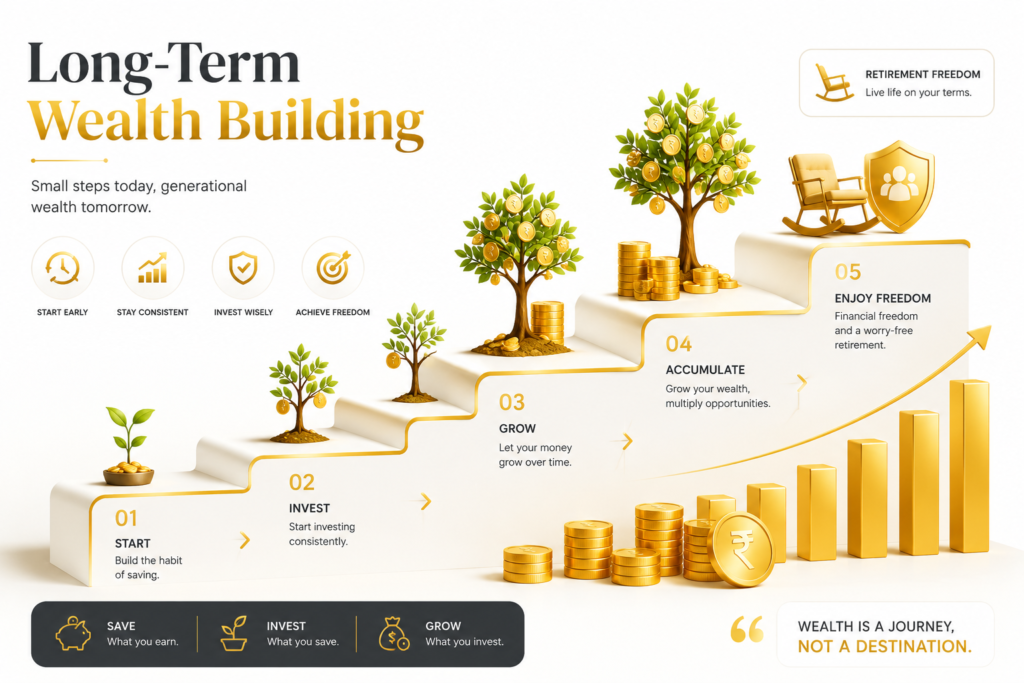
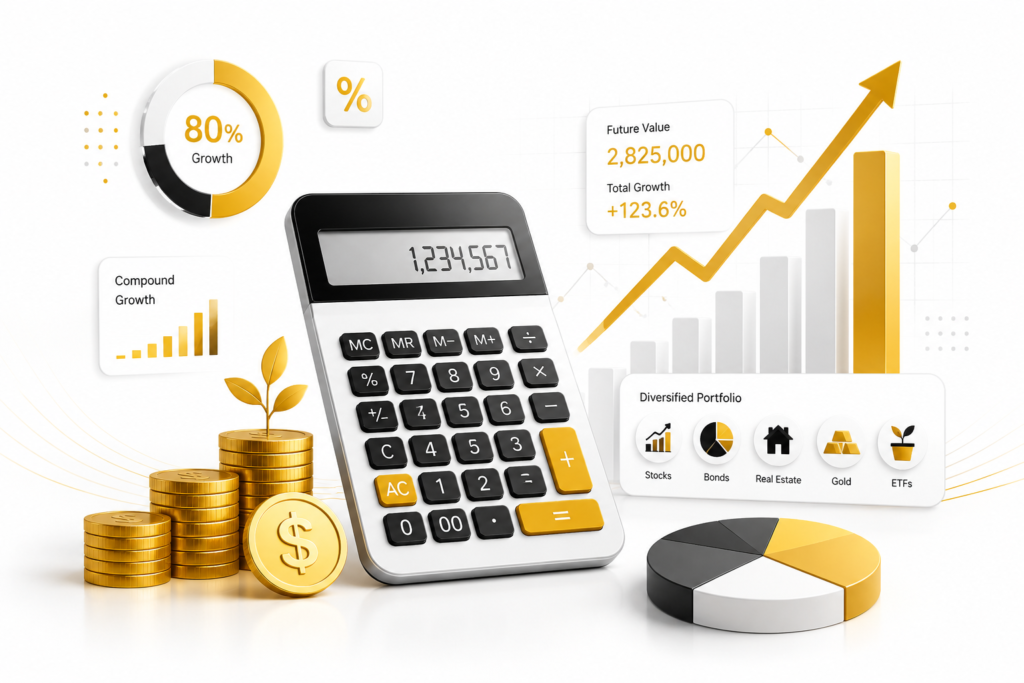
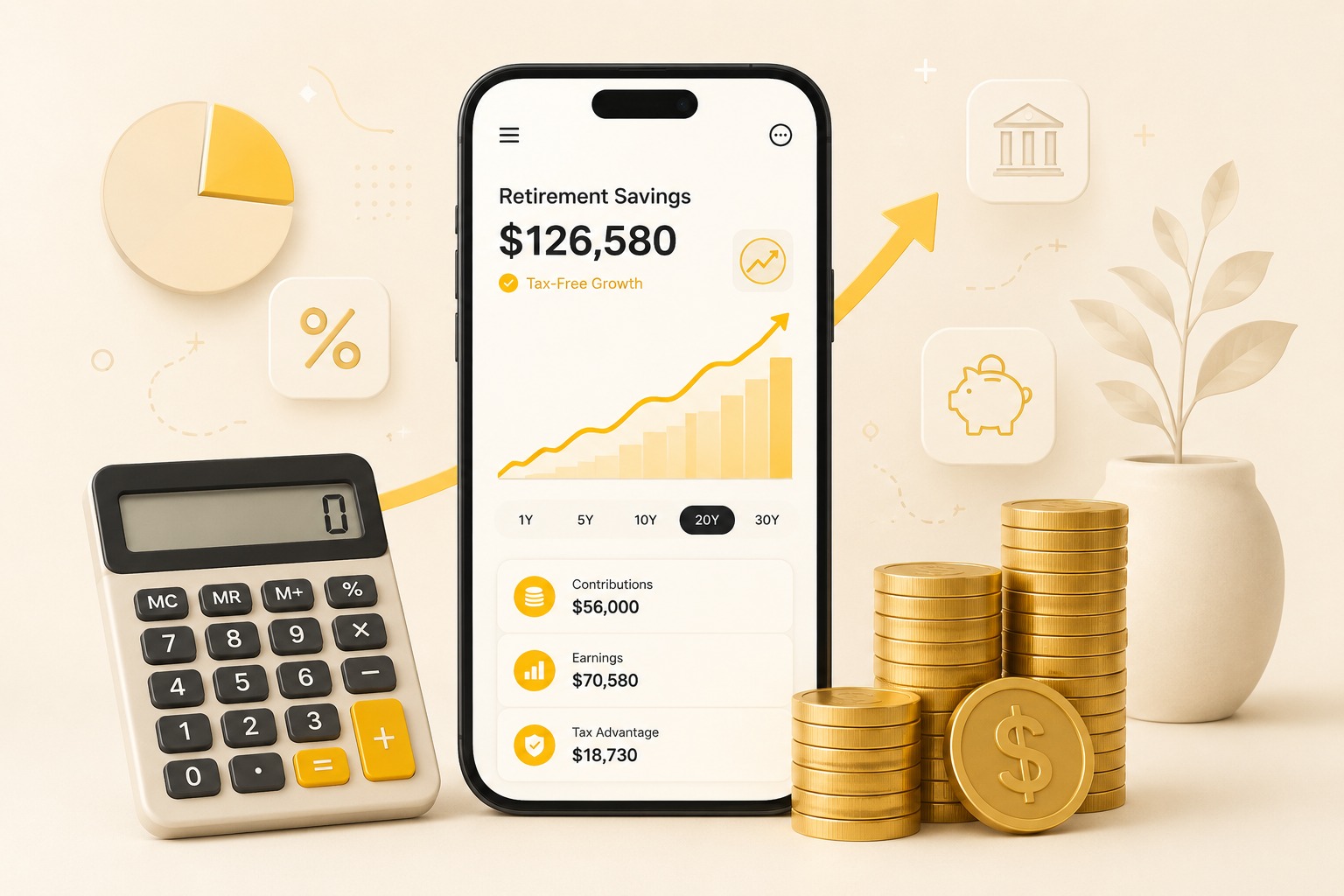
Investment Planning Guide is one of the most important financial strategies for building wealth achieving life goals and creating long-term financial stability. Whether you want to buy a house retire comfortably pay for your children’s education or simply grow your savings faster than inflation having a proper investment plan can make a major difference.
In today’s fast-changing economy relying only on savings accounts is often not enough. Inflation slowly reduces purchasing power while smart investments can help your money grow over time. That is why individuals families and even businesses focus heavily on investment planning as part of their financial journey.
The good news is that investment planning does not have to be complicated. Even beginners with small amounts of money can start building a strong financial future through disciplined investing and proper financial decisions. Understanding the basics setting clear goals and using the right investment tools can help anyone become financially confident.
Key Takeaways
Investment planning helps individuals grow wealth and achieve financial goals.
A proper investment strategy balances risk returns and time horizon.
Starting early allows compound interest to work more effectively.
Diversification helps reduce investment risk.
Financial tools like SIP calculators and ROI calculators simplify planning.
Investment planning is the process of creating a strategy to manage money and invest it wisely to achieve future financial goals. It involves analyzing income expenses savings risk tolerance and future objectives before choosing suitable investments.
The main purpose of investment planning is not simply making money quickly. Instead it focuses on building sustainable financial growth over time while managing risk carefully.
A strong investment plan usually includes:
Financial goal setting
Risk assessment
Asset allocation
Investment selection
Portfolio monitoring
Periodic adjustments
For example a young professional may invest aggressively in stocks for long-term growth while someone nearing retirement may focus more on safer investments like bonds or fixed-income assets.
Why Investment Planning Matters
Many people save money regularly but still struggle financially because they lack a proper investment strategy. Savings alone may not generate enough growth to beat inflation. Investment planning helps money work harder over time.
Here are some reasons why investment planning is essential in modern finance:
Unexpected expenses job loss medical emergencies or economic downturns can create financial stress. Proper investment planning creates a financial cushion.
Retirement Planning
One of the biggest reasons people invest is to secure retirement income. A well-planned portfolio can help maintain lifestyle and financial independence after retirement.
Inflation Protection
Inflation gradually increases the cost of living. Investments like equities and real estate historically provide better inflation-adjusted returns compared to traditional savings accounts.
Goal Achievement
Investment planning supports major life goals such as:
Buying a home
Starting a business
Children’s education
Traveling
Building emergency funds
Early retirement
Understanding Different Types of Investments
Investment planning involves choosing suitable investment vehicles based on goals and risk tolerance. Every investment carries a different level of risk and return potential.
Stocks
Stocks represent ownership in companies. They offer high growth potential but also carry higher volatility.
Investors often choose stocks for long-term wealth creation because historically stock markets have generated strong returns over decades.
Bonds
Bonds are fixed-income investments where investors lend money to governments or corporations in exchange for interest payments.
They are generally considered safer than stocks but may offer lower returns.
Mutual Funds
Mutual funds pool money from many investors and invest in diversified portfolios managed by professionals.
They are beginner-friendly and suitable for people who do not want to select individual stocks themselves.
Exchange-Traded Funds (ETFs)
ETFs are similar to mutual funds but trade like stocks on exchanges. They provide diversification and lower costs.
Real Estate
Property investment can generate rental income and long-term appreciation. However it usually requires larger capital and ongoing maintenance.
Fixed Deposits and Savings Instruments
These are low-risk investments commonly offered by banks. They provide stable returns but may not always beat inflation.
Retirement Accounts
Retirement-focused investment accounts help individuals save consistently for long-term financial independence.
Setting Financial Goals Before Investing
Investment planning becomes far more effective when goals are clearly defined. Investing without goals often leads to emotional decisions and inconsistent strategies.
Financial goals are usually categorized into three groups.
Goal Type
Time Horizon
Examples
Short-Term Goals
1–3 Years
Emergency fund vacation
Medium-Term Goals
3–7 Years
Car purchase house down payment
Long-Term Goals
7+ Years
Retirement children’s education
Clear goals help determine:
How much money to invest
Which investments to choose
Acceptable risk levels
Investment duration
For example retirement planning allows investors to take more long-term risks while saving for a home purchase in two years usually requires safer investments.
The Importance of Risk Tolerance
Every investor has a different comfort level with financial risk. Some people can tolerate market fluctuations while others prefer stability.
Investment planning always involves balancing risk and return.
Conservative Investors
Prefer stable and lower-risk investments like bonds or fixed deposits.
Moderate Investors
Balance growth and stability through diversified portfolios.
Aggressive Investors
Focus heavily on stocks and growth-oriented assets for higher long-term returns.
Understanding risk tolerance prevents panic decisions during market downturns.
Asset Allocation in Investment Planning
Asset allocation refers to dividing investments across different asset classes such as stocks bonds and cash equivalents.
This is one of the most important parts of investment planning because diversification helps reduce overall portfolio risk.
A simple example:
Asset Class
Allocation
Stocks
60%
Bonds
30%
Cash
10%
Younger investors often allocate more toward equities while older investors may prefer safer investments.
How Compound Interest Helps Investments Grow
Compound interest is one of the most powerful concepts in investment planning. It allows investors to earn returns not only on their original investment but also on previous earnings.
If you invest $5000 and later sell the investment for $6500:
Net Profit = $1500
Investment Cost = $5000
ROI = 30%
ROI calculators help investors compare different investment opportunities quickly.
Investment Planning for Different Life Stages
Investment strategies often change with age and financial responsibilities.
Investment Planning in Your 20s
This stage usually focuses on aggressive growth because investors have a long time horizon.
Key priorities include:
Starting early
Building emergency savings
Investing in equities
Learning financial discipline
Investment Planning in Your 30s
Responsibilities increase during this stage. People often focus on balancing growth with stability.
Common goals include:
Home purchase
Family planning
Insurance coverage
Retirement savings
Investment Planning in Your 40s and 50s
Preserving wealth becomes more important.
Investors often:
Reduce portfolio risk
Increase retirement contributions
Diversify investments
Focus on long-term financial security
Retirement Investment Planning
Retirees generally prioritize stable income and capital preservation.
Common investment choices include:
Bonds
Dividend-paying stocks
Retirement funds
Income-generating assets
Common Investment Planning Mistakes
Many investors make avoidable mistakes that hurt long-term returns.
Investing Without Goals
Lack of direction often leads to inconsistent decisions and poor investment choices.
Ignoring Diversification
Putting all money into a single investment increases risk significantly.
Emotional Investing
Fear and greed often drive poor decisions during market volatility.
Trying to Time the Market
Consistently predicting market highs and lows is extremely difficult.
Not Reviewing Investments
Investment plans should evolve as life situations change.
How Inflation Affects Investments
Inflation reduces purchasing power over time. This means money sitting idle gradually loses value.
For example if inflation averages 5% annually products costing $100 today may cost much more in the future.
Investment planning aims to generate returns higher than inflation so wealth continues growing in real terms.
Historically equities and real estate have often provided better inflation-adjusted returns compared to cash savings.
The Role of Financial Calculators in Investment Planning
Modern finance tools simplify complex calculations and improve decision-making.
SIP Calculator
Helps estimate future value of regular investments.
Compound Interest Calculator
Shows how investments grow over time using compounding.
EMI Calculator
Useful when balancing loans alongside investment goals.
Loan Calculator
Helps analyze debt repayment strategies.
Tax Calculator
Estimates tax liabilities and investment-related tax planning.
ROI Calculator
Measures investment profitability.
These tools save time and reduce calculation errors for beginners and experienced investors alike.
Real-World Applications of Investment Planning
Investment planning plays a major role in both personal finance and business finance.
Personal Wealth Management
Families use investment planning to build savings prepare for emergencies and fund future goals.
Business Expansion
Businesses invest profits into operations technology and growth opportunities.
Retirement Funds
Employers and governments manage retirement investment portfolios for long-term sustainability.
Banking and Financial Services
Banks and financial advisors help clients create customized investment strategies.
Education Planning
Parents invest systematically to cover future education costs.
Long-Term Investing vs Short-Term Trading
Many beginners confuse investing with trading.
Long-Term Investing
Focuses on gradual wealth creation over years or decades.
Benefits include:
Lower stress
Reduced transaction costs
Better compounding
Lower emotional pressure
Short-Term Trading
Involves frequent buying and selling to profit from market movements.
While trading may generate profits it carries significantly higher risk and requires advanced market knowledge.
For most beginners long-term investment planning is usually more sustainable.
How to Build a Simple Investment Plan
Creating an investment plan does not have to be complicated.
Step 1: Define Goals
Identify short-term and long-term financial objectives.
Step 2: Analyze Income and Expenses
Understand how much money is available for investing regularly.
Step 3: Build an Emergency Fund
Maintain savings for unexpected expenses before investing aggressively.
Step 4: Choose Investments
Select suitable assets based on risk tolerance and goals.
Step 5: Diversify
Spread investments across multiple asset classes.
Step 6: Monitor and Rebalance
Review investments periodically and adjust when necessary.
The Psychological Side of Investing
Investment planning is not only about numbers. Human emotions strongly influence financial decisions.
During market declines many investors panic and sell assets at losses. During bull markets excessive optimism can lead to risky decisions.
Successful investors usually focus on:
Patience
Discipline
Long-term thinking
Consistency
Risk management
Maintaining emotional control is often just as important as choosing the right investments.
Technology and Modern Investment Planning
Technology has transformed the investment industry dramatically.
Today investors can access:
Mobile investing apps
Robo-advisors
AI-powered financial analysis
Real-time market tracking
Automated SIP investing
Online portfolio management
These innovations make investment planning more accessible than ever before.
Sustainable and ESG Investing
Many investors now consider environmental social and governance factors when choosing investments.
ESG investing focuses on companies that demonstrate responsible business practices.
This trend continues growing as investors increasingly prioritize ethical and sustainable financial decisions alongside profitability.
Conclusion
Investment planning is one of the most powerful tools for achieving financial freedom and long-term stability. Whether your goal is retirement wealth creation education funding or simply protecting your future a structured investment strategy helps turn financial dreams into realistic goals.
The key to successful investment planning is consistency patience diversification and informed decision-making. Starting early gives compound growth more time to work while proper risk management protects against unnecessary losses.
Modern financial tools such as SIP calculators ROI calculators compound interest calculators and tax calculators make investment planning easier and more accurate for beginners and experienced investors alike.
Ultimately investment planning is not about getting rich overnight. It is about building a secure financial future step by step through smart decisions disciplined investing and long-term thinking.
FAQs
What is investment planning in simple words?
Investment planning is the process of managing money and choosing investments to achieve future financial goals like retirement buying a house or building wealth.
Why is investment planning important?
Investment planning helps grow wealth protect against inflation manage financial risks and achieve long-term goals more effectively.
What is the best age to start investing?
The best time to start investing is as early as possible because compound interest works better over longer periods.
How much money do I need to start investing?
Many modern investment platforms allow beginners to start with small amounts through SIPs or low-cost investment accounts.
What is the safest investment option?
Low-risk investments like government bonds fixed deposits and savings instruments are generally considered safer but may offer lower returns.
What is diversification in investment planning?
Diversification means spreading investments across different asset types to reduce overall portfolio risk.
Which calculator is useful for investment planning?
Popular finance tools include SIP calculators ROI calculators compound interest calculators EMI calculators and tax calculators.
Can investment planning help with retirement?
Yes. Retirement planning is one of the most common reasons people invest regularly over long periods.
I am a professional finance content writer with expertise in personal finance investing, banking, loans, insurance, credit cards, budgeting, and market related topics. I create clear, SEO optimized, and reader friendly finance content that helps audiences understand complex financial concepts in simple words. My goal is to write trustworthy and engaging content that improves search visibility, builds credibility, and supports business growth.