Weighted Grade Calculator: The Complete Guide to Calculating Your Final Grades Accurately and Boosting Academic Success
Shanzay Arain·Jun 11, 2026
Understanding your academic performance can feel confusing especially when different assignments exams and projects carry different importance. This is where aweighted grade calculator becomes essential. Instead of simply averaging scores a weighted system reflects the real impact each component has on your final grade.
For students in the United States grades often determine scholarships college admissions GPA standings and even job opportunities. A small misunderstanding in grading weight can significantly change your final result. That’s why learning how a weighted grade calculator works is not just helpful—it’s critical for academic success.
In this guide you will learn how weighted grades are calculated why they matter real-life examples formulas tools and strategies to improve your final scores with confidence.
What Is a Weighted Grade Calculator?
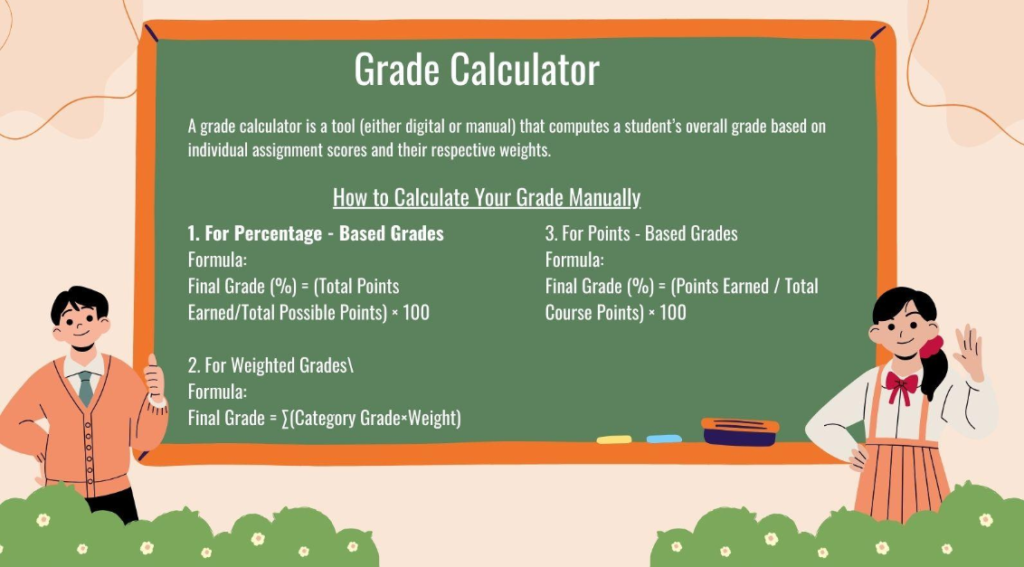
A weighted grade calculator is a tool or method used to determine your final grade when different assignments contribute differently to your overall score. Unlike a simple average weighted grading assigns percentages (weights) to each category such as quizzes exams homework and projects.
For example a final exam may count for 40% of your grade while homework may only count for 10%. A weighted grade calculator ensures each category impacts your final score according to its importance.
This system is widely used in U.S. high schools colleges and universities because it provides a more accurate reflection of student performance across different types of assessments.
Why Weighted Grades Matter in Education
Weighted grading systems are designed to measure true academic performance more fairly. Not all assignments are equal—some require deeper understanding and more effort. That’s why final exams or major projects often carry more weight than daily quizzes.
From an academic perspective weighted grades encourage students to prioritize important assessments. Instead of focusing only on small assignments students learn to balance effort across all categories.
In the real world colleges and employers also value weighted performance because it reflects consistency discipline and the ability to perform under pressure in high-stakes evaluations.
How a Weighted Grade Calculator Works
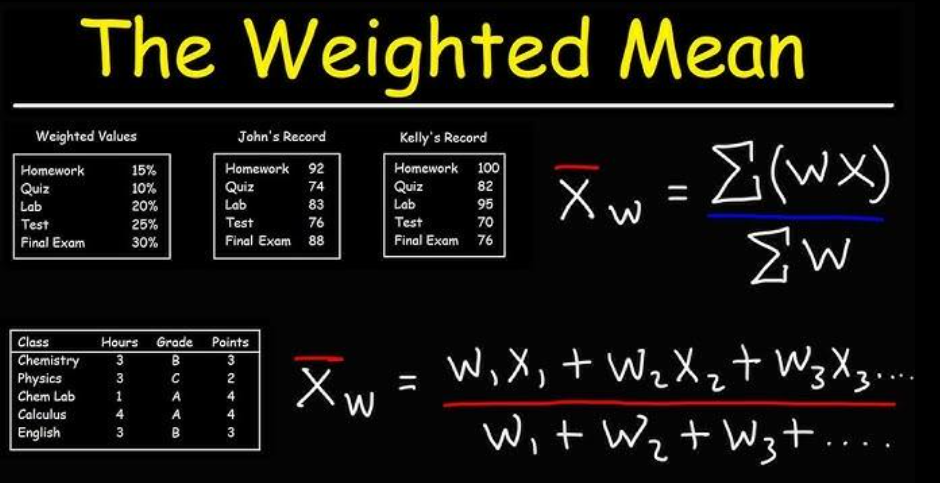
A weighted grade calculator works by multiplying each category score by its assigned weight and then adding the results together. The final number represents your overall grade.
This results in: 18 + 24 + 42.5 = 84.5% Final Grade
This method ensures that higher-weighted assessments have a stronger influence on your final score.
Weighted Grade Formula Explained
The standard formula used in a weighted grade calculator is:
Final Grade=∑(Gradei×Weighti)\text{Final Grade} = \sum (\text{Grade}_i \times \text{Weight}_i)Final Grade=∑(Gradei×Weighti)
Each grade is multiplied by its weight (as a decimal) and all results are added together.
A key rule to remember is that all weights must equal 100% (or 1.0 in decimal form). If they do not your calculation will be incorrect.
Real-Life Example of Weighted Grade Calculation
Let’s consider a university student named Alex.
Alex’s course breakdown:
Homework: 15% weight score = 88
Midterm Exam: 35% weight score = 76
Final Exam: 50% weight score = 90
Step-by-step calculation:
Homework: 88 × 0.15 = 13.2
Midterm: 76 × 0.35 = 26.6
Final Exam: 90 × 0.50 = 45
Final Grade = 13.2 + 26.6 + 45 = 84.8%
This example shows how a strong final exam can significantly improve the overall grade.
Types of Weighted Grading Systems in U.S. Schools
Different institutions use different grading structures depending on academic level and subject type.
Some schools emphasize exams heavily while others focus more on continuous assessment. Common categories include:
Homework assignments
Class participation
Quizzes and tests
Midterm exams
Final exams
Projects or presentations
Each category is assigned a percentage weight that reflects its importance in the course.
Understanding your institution’s grading breakdown helps you plan your academic strategy effectively.
Benefits of Using a Weighted Grade Calculator
One of the biggest advantages of a weighted grade calculator is accuracy. Students can clearly see how each assignment affects their final grade helping them make better decisions.
Another benefit is reduced stress. Instead of guessing your standing in a course you can calculate your exact performance at any time.
It also helps with goal setting. For example if you know your final exam is worth 50% you can focus more effort there to improve your grade significantly.
Common Mistakes Students Make in Weighted Grading
Many students misunderstand how weights affect their final grade. One common mistake is assuming all assignments carry equal importance which leads to miscalculations.
Another mistake is ignoring small assignments. While they may have lower weight consistent performance still impacts overall results.
Students also often forget to convert percentages into decimals which leads to incorrect calculations when using formulas or calculators.
Weighted Grade Calculator vs Simple Average
A simple average treats all assignments equally while a weighted grade calculator assigns importance based on category.
For example: If you score 100 on homework and 60 on exams a simple average would give 80%. But if exams carry more weight your final grade will be much lower.
Weighted systems are more realistic because they reflect academic priorities and real-world evaluation standards.
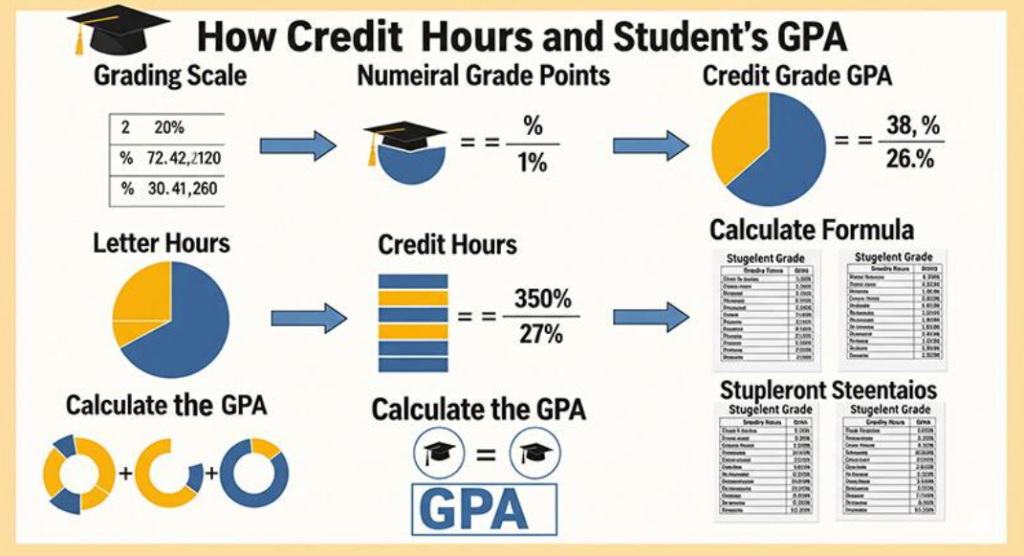
How Weighted Grades Affect GPA
Weighted grades directly influence your GPA in most U.S. educational systems. Higher course grades typically lead to higher GPA scores.
Colleges often convert percentage grades into GPA scales:
90–100% = A (4.0 GPA)
80–89% = B (3.0 GPA)
70–79% = C (2.0 GPA)
Improving your weighted grade can significantly boost your GPA which is important for scholarships internships and graduate admissions.
Tools and Online Weighted Grade Calculators
Many online tools simplify the process of calculating weighted grades. These tools allow students to enter scores and weights then automatically compute the final result.
However understanding manual calculation is still important because it helps students verify results and understand their academic standing better.
Teachers and academic advisors also use weighted calculations when designing course grading systems.
Tips to Improve Your Weighted Grade
One effective strategy is to focus on high-weight assignments. Since they have a greater impact performing well in exams and major projects can significantly improve your final grade.
Another tip is to track your progress regularly using a weighted grade calculator. This helps identify weak areas early and allows time for improvement.
Time management also plays a key role. Balancing effort between small and large assignments ensures consistent performance throughout the course.
Conclusion
A weighted grade calculator is an essential academic tool that helps students accurately understand their performance. Unlike simple averages it reflects the true importance of each assignment and provides a realistic final grade.
By understanding formulas avoiding mistakes and focusing on high-weight tasks students can significantly improve their academic results.
Whether you’re in high school or college mastering weighted grade calculations can help you take control of your education and achieve better outcomes.
FAQs
What is a weighted grade calculator used for?
It is used to calculate final grades when assignments have different levels of importance or weight.
How do you calculate weighted grades manually?
Multiply each score by its weight then add all results together.
Why are weighted grades used in schools?
They provide a more accurate measure of student performance based on assignment importance.
Can a weighted grade improve GPA?
Yes higher weighted grades usually lead to a higher GPA.
What is the difference between weighted and unweighted grades?
Weighted grades consider importance; unweighted grades treat all assignments equally.
Do all schools use weighted grading?
Not all but many U.S. high schools and colleges do.
What is a good weighted grade?
Generally 85% and above is considered strong in most academic systems.
Are online weighted grade calculators accurate?
Yes if you enter correct data they are reliable for quick calculations.
I am a professional finance content writer with expertise in personal finance investing, banking, loans, insurance, credit cards, budgeting, and market related topics. I create clear, SEO optimized, and reader friendly finance content that helps audiences understand complex financial concepts in simple words. My goal is to write trustworthy and engaging content that improves search visibility, builds credibility, and supports business growth.
I am a professional finance content writer with expertise in personal finance investing, banking, loans, insurance, credit cards, budgeting, and market related topics. I create clear, SEO optimized, and reader friendly finance content that helps audiences understand complex financial concepts in simple words. My goal is to write trustworthy and engaging content that improves search visibility, builds credibility, and supports business growth.