Which Boeing Planes to Avoid? A Deep Look at Safety Airline Risk and the Economics Behind Aircraft Reputation
Shanzay Arain·May 26, 2026
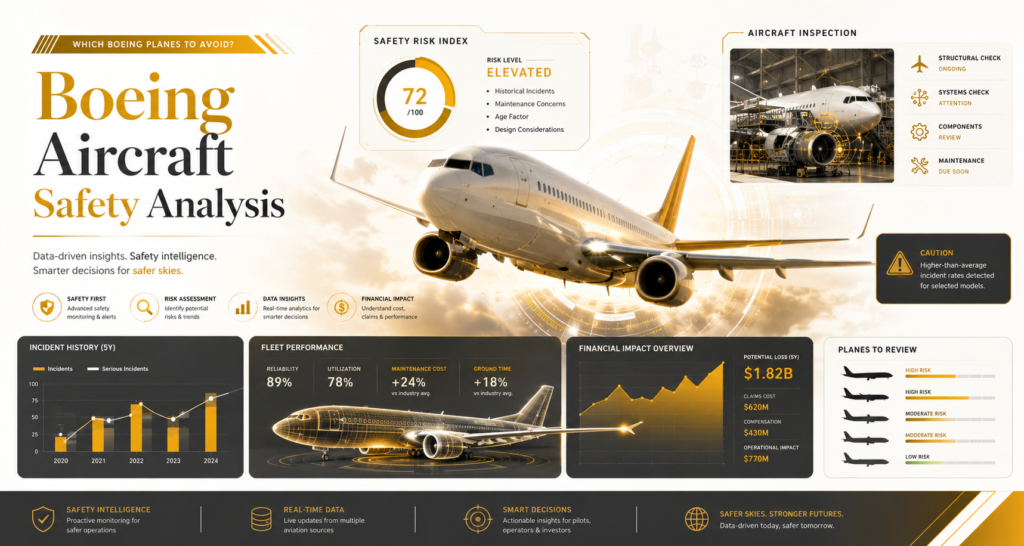
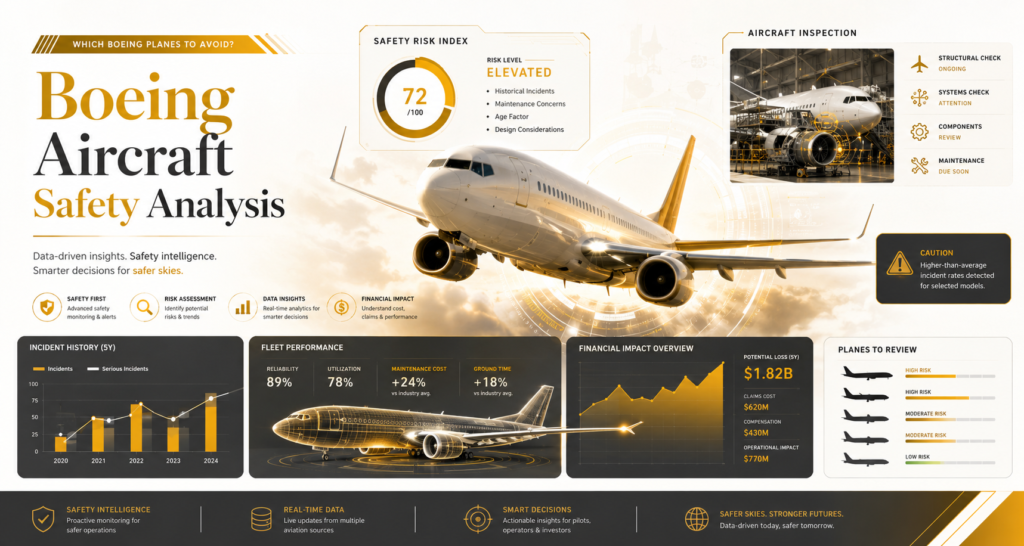
Commercial aviation remains one of the safest forms of transportation in the world yet public confidence can shift dramatically when a specific aircraft model becomes linked to accidents mechanical failures or regulatory investigations. That is exactly what happened when travelers began searching “which Boeing planes to avoid” after years of headlines surrounding manufacturing concerns grounding events and airline safety controversies. What many people really want is not fear-driven speculation. They want practical risk awareness trustworthy information and clarity about whether certain aircraft deserve concern before booking a flight.
The answer is more nuanced than social media discussions suggest. Modern aviation operates under layers of oversight involving regulators airlines maintenance crews pilots insurance providers and aircraft manufacturers. A plane model itself is only one part of the safety equation. Airline maintenance quality pilot training standards operational budgets and regulatory compliance matter just as much as the aircraft’s design history. Still some Boeing aircraft have generated more scrutiny than others due to repeated technical issues financial pressure during production cycles or publicized accidents that permanently altered consumer perception.
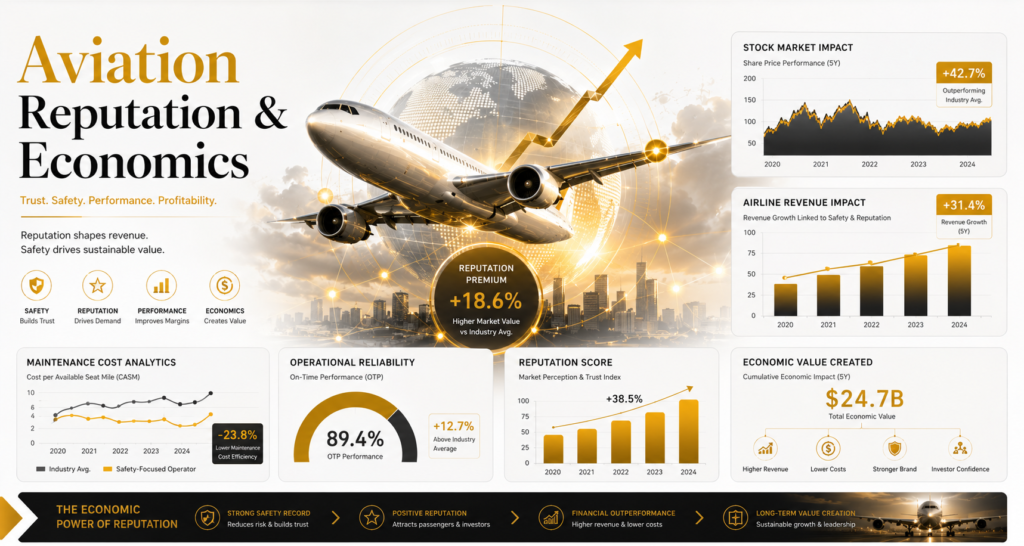
This topic also connects to a broader financial reality. Boeing is not simply an aerospace company. It is a global industrial giant tied to airline profitability government contracts investment portfolios pension funds manufacturing employment and international trade. When confidence in one aircraft model falls billions of dollars in market value can disappear. Airlines must adjust fleet strategies leasing costs rise and travelers increasingly make booking decisions based on aircraft type rather than ticket price alone. In a digital economy driven by social media narratives and real-time news cycles aircraft reputation now directly impacts financial performance.
Understanding which Boeing planes travelers may want to research more carefully requires separating emotional reactions from evidence-based analysis. Some aircraft developed negative reputations because of documented engineering failures. Others gained criticism largely because of aging fleets or isolated maintenance problems tied to specific airlines rather than the plane model itself. Travelers who understand these distinctions make smarter decisions while avoiding unnecessary panic.
Why Travelers Search Which Boeing Planes to Avoid
Most people searching this keyword are not aviation engineers. They are ordinary travelers trying to protect themselves and their families. Fear typically rises after viral incidents emergency landings or investigative documentaries. A single shocking video filmed by passengers can influence public perception faster than official aviation reports. In the modern creator economy aviation discussions spread across YouTube TikTok Reddit and travel forums within hours often amplifying anxiety before verified information becomes available.
At the same time travelers have become more informed consumers. Flight booking platforms now allow passengers to view aircraft types before purchase. Aviation influencers explain fleet differences online while travel bloggers monetize content discussing “safe airlines” and “planes to avoid.” This has transformed aircraft selection into a consumer behavior trend similar to choosing safer cars or more reliable investment platforms. People no longer blindly trust airline branding alone.
There is also a financial psychology angle behind this search behavior. Consumers increasingly associate safety with value. Travelers paying premium fares expect not only comfort but reassurance. Business travelers luxury travelers and affluent consumers often choose airlines based partly on fleet modernization because they perceive newer aircraft as lower risk. Airlines recognize this psychology and market newer Boeing or Airbus fleets aggressively as part of their branding strategy.
Another factor is trust erosion following high-profile corporate controversies. When manufacturing shortcuts whistleblower claims or regulatory failures enter mainstream headlines the public begins questioning institutional reliability. Boeing’s recent years have included intense scrutiny from regulators investors journalists and politicians. Even people with little aviation knowledge now associate certain Boeing models with systemic corporate problems rather than isolated engineering mistakes.
The Boeing 737 MAX and Why It Became Controversial
No discussion about which Boeing planes to avoid can ignore the Boeing 737 MAX. This aircraft became one of the most controversial commercial jets in aviation history after two catastrophic crashes involving Lion Air Flight 610 in 2018 and Ethiopian Airlines Flight 302 in 2019. Together the accidents killed 346 people and triggered a worldwide grounding of the aircraft.
The central issue involved a flight control system called MCAS designed to automatically adjust the aircraft’s nose position under certain conditions. Investigations later revealed that faulty sensor data could activate the system incorrectly potentially pushing the aircraft downward repeatedly. Pilots were not adequately informed about the system and training procedures became a major area of criticism. Regulators lawmakers and aviation experts questioned whether Boeing prioritized speed-to-market and competitive pressure over engineering transparency.
Financial consequences were enormous. Boeing lost tens of billions in market value while airlines faced schedule disruptions and compensation battles. The grounding damaged Boeing’s reputation globally and created opportunities for competitors in the aerospace market. Investors who once viewed Boeing as a stable industrial powerhouse suddenly faced unprecedented uncertainty. Even years later many travelers still avoid booking flights operated by the 737 MAX despite regulatory approval for its return to service.
However the story does not end with fear alone. Since recertification aviation authorities worldwide have imposed extensive software modifications pilot retraining requirements and operational oversight measures. Many aviation experts now argue the 737 MAX is among the most heavily scrutinized aircraft currently flying. Statistically the plane’s recent operational record has improved substantially. Yet perception often lags behind technical corrections. Public trust recovers much slower than engineering certification.
This highlights an important reality in finance and branding. Reputation damage can outlast the original crisis itself. Boeing continues investing heavily in public relations safety transparency and manufacturing reform because confidence directly affects future aircraft sales shareholder value and airline partnerships. In today’s digital economy perception itself has financial power.
Concerns About Older Boeing 737 Generations
While the 737 MAX dominates headlines many travelers quietly worry more about older Boeing 737 aircraft still operating worldwide. Models such as the 737-300 737-400 and early 737-800 variants remain active in some regions despite being decades old. Age alone does not make an aircraft unsafe but older fleets require increasingly expensive maintenance and modernization.
Budget airlines operating aging aircraft often face tighter financial margins. When airlines aggressively cut operational costs maintenance quality can become inconsistent depending on the carrier and regulatory environment. This creates a situation where the airline itself may matter more than the aircraft manufacturer. A well-maintained 25-year-old plane operated by a reputable airline can be safer than a poorly maintained newer aircraft operated under weak oversight systems.
Travelers searching for which Boeing planes to avoid frequently overlook this distinction. Aviation safety experts consistently emphasize that maintenance culture matters enormously. Countries with strict aviation regulators generally maintain better inspection standards than regions with weaker enforcement mechanisms. Therefore the same aircraft model can have very different operational risk profiles depending on the airline operating it.
From an economic standpoint airlines continue using older Boeing aircraft because replacement costs are massive. Purchasing a modern commercial jet can cost tens or hundreds of millions of dollars. Leasing arrangements fuel economics debt obligations and shareholder expectations all influence fleet decisions. During periods of economic uncertainty airlines often extend aircraft lifespans to preserve cash flow.
This dynamic creates a fascinating intersection between finance and aviation. Investors want airline profitability but passengers increasingly demand newer fleets. Airlines must balance fuel efficiency maintenance costs financing rates and public perception simultaneously. The result is an industry constantly negotiating between operational economics and consumer confidence.
The Boeing 787 Dreamliner and Manufacturing Scrutiny
The Boeing 787 Dreamliner represents another aircraft that has attracted public concern though for different reasons than the 737 MAX. Unlike the MAX crashes the 787 issues largely centered on manufacturing quality control battery concerns and production inconsistencies rather than catastrophic flight system failures.
Early in its operational history lithium-ion battery fires led regulators to temporarily ground the aircraft fleet in 2013. Boeing redesigned containment systems and implemented technical modifications before returning the aircraft to service. Later years brought additional scrutiny involving manufacturing gaps fuselage assembly tolerances and whistleblower allegations regarding production standards.
Despite these controversies the 787 maintains a relatively strong operational safety record overall. Most aviation analysts do not consider it among the highest-risk aircraft currently flying. However repeated manufacturing concerns damaged confidence among some travelers and investors alike. Each new investigation generated fresh headlines questioning Boeing’s internal quality culture.
The Dreamliner also reflects how aerospace economics shape engineering decisions. Boeing invested heavily in advanced composite materials fuel efficiency innovations and globalized manufacturing partnerships to compete aggressively in the long-haul market. Outsourcing components worldwide helped reduce costs but also introduced supply-chain complexity and oversight challenges.
For investors the Dreamliner became both a technological triumph and a case study in industrial risk management. Delays redesign costs and manufacturing disruptions affected profitability significantly. Meanwhile airlines relying on the aircraft for premium international routes faced operational uncertainty whenever inspections or delivery pauses occurred.
Travelers considering whether to avoid the 787 should understand that public concern often focuses more on production oversight than immediate flight safety statistics. The aircraft remains widely used by major international carriers and continues serving long-haul routes globally. Still ongoing scrutiny means many passengers remain cautious whenever new reports emerge about Boeing manufacturing practices.
How Airline Quality Matters More Than Aircraft Model Alone
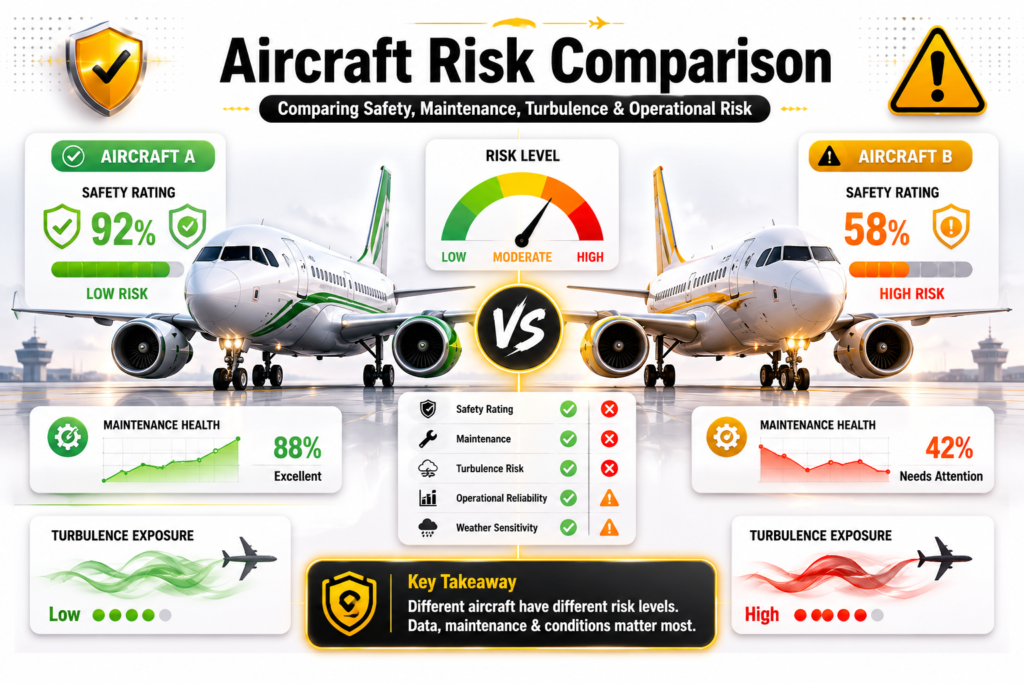
One of the biggest misconceptions surrounding aviation safety is the belief that aircraft type alone determines risk. In reality airline operational culture often matters more than the manufacturer. A poorly managed airline operating modern aircraft may present greater risk than a world-class airline operating older planes with exceptional maintenance standards.
Major global airlines invest billions into pilot training predictive maintenance systems operational audits and fleet modernization. These airlines understand that safety failures destroy brand equity almost instantly. Reputation is one of the airline industry’s most valuable financial assets. Premium carriers especially cannot afford public trust erosion because affluent travelers and corporate clients often choose airlines based on perceived reliability.
Low-cost carriers operate under a different financial model focused heavily on efficiency and cost control. Many budget airlines maintain excellent safety records but extreme cost pressure can create operational vulnerabilities if oversight weakens. This is why experienced travelers often research airline reputation alongside aircraft type before booking flights.
Insurance companies also play a significant role behind the scenes. Aviation insurers assess operational risk constantly. Airlines with stronger safety cultures may receive better insurance terms while carriers facing repeated incidents encounter rising costs. Financial pressure then influences ticket pricing fleet investment decisions and profitability metrics.
Social media further amplifies airline-specific reputation issues. A single maintenance-related incident can trend globally within hours affecting stock prices and customer bookings immediately. In today’s creator-driven media environment public relations management has become nearly as important as operational performance itself. Airlines now employ digital crisis teams specifically to manage perception during technical incidents.
For travelers asking which Boeing planes to avoid the smarter question may actually be which airlines demonstrate strong maintenance culture regulatory compliance and fleet investment discipline. Aircraft models matter but organizational quality matters even more.
Boeing Versus Airbus in Public Perception
The debate between Boeing and Airbus has evolved beyond engineering into branding investment narratives and consumer psychology. Airbus benefited significantly from Boeing’s recent controversies because public perception shifted toward viewing Airbus as the “safer” manufacturer even though both companies operate under strict international certification frameworks.
This shift affected airline purchasing behavior. Some airlines accelerated Airbus orders partly to reassure passengers and investors. Fleet announcements became marketing tools. Airlines promoted “modern Airbus fleets” in advertising campaigns while emphasizing passenger comfort and reliability. In competitive aviation markets perception itself drives revenue.
Financial markets reacted similarly. Investors increasingly analyzed corporate governance manufacturing oversight and regulatory relationships alongside aircraft performance metrics. Boeing’s crises demonstrated how operational failures can ripple across entire investment ecosystems including pension funds aerospace suppliers airline leasing firms and defense contractors.
Yet aviation experts caution against oversimplifying the Boeing-Airbus rivalry into a “safe versus unsafe” narrative. Both manufacturers have experienced technical challenges throughout history. Aircraft safety depends on continuous oversight pilot training engineering adaptation and operational discipline rather than perfect flawlessness.
Interestingly the rivalry also shapes content monetization online. Aviation YouTubers finance influencers and travel creators generate substantial traffic discussing Boeing controversies and Airbus comparisons. Controversial aviation content performs extremely well across digital platforms because it combines fear technology business drama and global relevance. The creator economy itself profits from public fascination with aviation risk narratives.
For travelers the Boeing versus Airbus debate should remain grounded in evidence rather than emotional branding alone. Both manufacturers operate thousands of flights safely every day. However Boeing’s recent reputation challenges undeniably influenced public trust more heavily than Airbus in the current media environment.
How Aviation Safety Affects Markets and Wealth
Aviation safety is not only a transportation issue. It is deeply connected to wealth creation investment strategy and global business performance. Boeing itself represents a major component of industrial investment portfolios retirement funds and institutional asset management strategies. When aircraft safety controversies emerge financial consequences extend far beyond the aerospace sector.
After the 737 MAX crisis Boeing faced lawsuits regulatory fines production slowdowns and canceled orders. Investors experienced sharp market volatility while suppliers dependent on Boeing contracts suffered revenue disruptions. Airlines using grounded fleets lost operational capacity and profitability. Tourism markets also felt indirect pressure in certain regions.
This demonstrates how trust functions as a financial asset. Companies with strong reputations command investor confidence customer loyalty and pricing power. Once trust declines recovery becomes expensive and time-consuming. Boeing’s efforts to rebuild credibility now involve manufacturing reforms executive restructuring compliance investments and public transparency campaigns.
High-net-worth investors and institutional analysts increasingly evaluate environmental social and governance factors when assessing industrial companies. Corporate culture safety practices and whistleblower protections now influence investment decisions alongside earnings reports. Boeing’s challenges accelerated this trend in the aerospace sector.
Aviation safety controversies also create opportunities for competitors leasing companies and emerging aerospace startups. Capital shifts quickly toward businesses perceived as more stable or innovative. This is how industrial crises reshape broader economic landscapes and influence long-term wealth distribution across sectors.
For finance-focused readers the Boeing story offers lessons extending beyond airplanes themselves. It illustrates how corporate governance operational ethics and public trust directly affect market capitalization shareholder value and long-term business sustainability.
How Travelers Can Check Aircraft Types Before Booking
Modern travelers have more information available than ever before. Most airline booking platforms display aircraft type during the reservation process allowing consumers to make informed decisions. Websites like seat map platforms flight tracking services and aviation databases provide additional details about fleet age cabin configuration and airline operational history.
Travelers concerned about certain Boeing aircraft models should focus on research rather than panic. Looking at airline safety rankings fleet modernization efforts and regulatory records provides far more context than relying solely on viral social media posts. Major airlines typically publish fleet information openly because transparency helps build customer trust.
Frequent travelers increasingly incorporate aircraft selection into premium travel strategies. Business travelers often prioritize newer aircraft for comfort fuel efficiency cabin air quality and lower noise levels in addition to perceived safety benefits. Luxury travelers may even select routes based on specific aircraft experiences especially on long-haul international flights.
This consumer behavior influences airline economics directly. Airlines operating modern fleets often justify higher ticket prices by marketing superior passenger experience and technological reliability. Fleet investment becomes both an operational necessity and a branding strategy. In this sense aircraft themselves function almost like luxury consumer products competing for customer confidence.
Digital creators have further monetized this trend by producing aircraft reviews aviation explainers and airline comparisons. YouTube channels focused on aviation now generate substantial advertising revenue through audience fascination with aircraft safety airline business models and luxury travel experiences. The modern aviation conversation increasingly blends transportation analysis with media entrepreneurship.
Are Boeing Planes Actually Unsafe Today?
Despite years of controversy it would be inaccurate to claim Boeing planes are universally unsafe. Commercial aviation remains highly regulated and aircraft undergo extensive certification inspection and maintenance procedures before carrying passengers. Boeing aircraft continue operating millions of flights worldwide every year with strong overall safety performance.
However public skepticism did not emerge from nowhere. Manufacturing concerns regulatory failures and communication breakdowns genuinely damaged confidence. The company’s challenges became symbolic of broader debates about corporate accountability shareholder pressure and industrial oversight in modern capitalism.
Today the aviation industry monitors Boeing aircraft intensely. Regulators understand that public trust depends on visible accountability and rigorous oversight. Airlines operating Boeing fleets also face reputational incentives to maintain strong operational standards because customers increasingly pay attention to aircraft types.
For most travelers the greatest practical safety differentiators are likely airline quality route region maintenance culture and regulatory environment rather than avoiding all Boeing aircraft entirely. Still passengers uncomfortable flying on certain models such as the 737 MAX may choose alternatives for personal peace of mind. Consumer choice itself remains an important market force.
Interestingly Boeing’s reputation recovery may become one of the most important corporate turnaround stories of the decade. If the company successfully rebuilds trust through transparency and operational excellence investors could eventually view its current struggles as a long-term value opportunity. If not competitors may continue gaining market share while Boeing faces prolonged financial pressure.
The Future of Boeing and Aircraft Safety Innovation
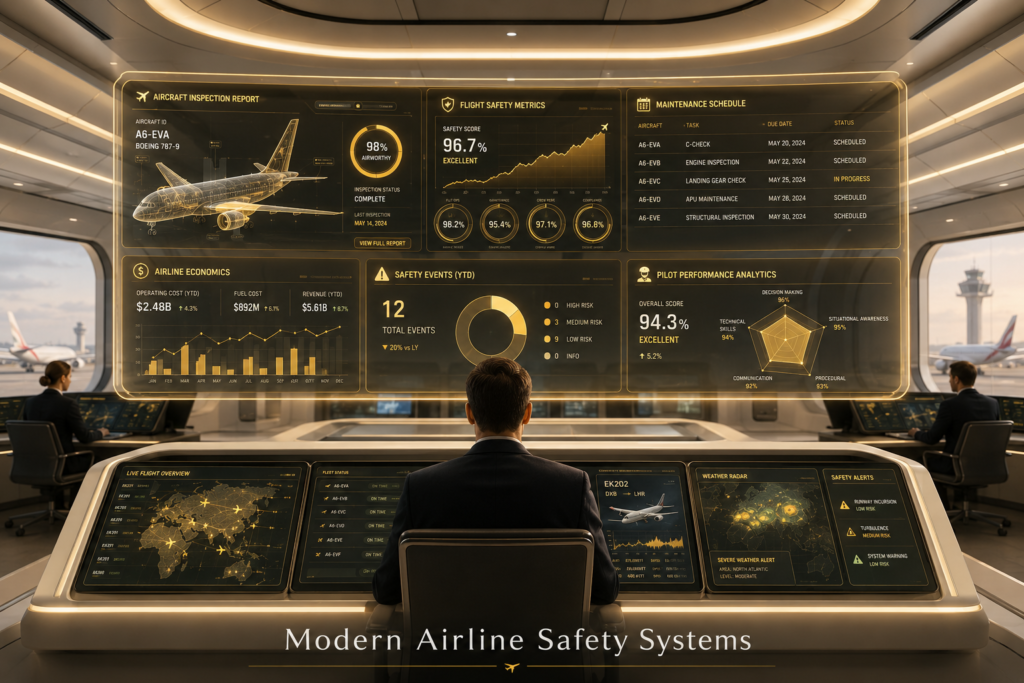
The future of aviation will likely involve even greater scrutiny transparency and technological innovation. Artificial intelligence predictive maintenance systems real-time diagnostics and automation tools are transforming how airlines monitor aircraft health. These technologies could significantly reduce maintenance failures and operational risks over time.
Boeing itself remains a crucial player in global aerospace despite recent controversies. The company still holds enormous influence through commercial aircraft production defense contracts and space technology investments. Governments worldwide have strategic interests in maintaining competition within the aerospace sector meaning Boeing’s long-term survival carries geopolitical importance as well.
At the same time passengers are becoming more empowered consumers. Younger travelers raised in the social media era expect transparency from corporations. They research brands extensively and often make purchasing decisions based on ethics trust and online reputation. Aviation companies must adapt to this reality.
Investors are watching closely too. Aerospace remains a high-stakes industry requiring massive capital investment and long-term planning horizons. Companies capable of restoring public trust while maintaining engineering innovation may dominate future aviation markets. Those failing to adapt could lose both market share and investor confidence.
The broader lesson extends beyond Boeing alone. In the digital information age corporate reputation has become deeply intertwined with financial performance. Trust now functions as one of the world’s most valuable economic assets.
Conclusion
The question of which Boeing planes to avoid does not have a simple blacklist answer. Some aircraft models particularly the Boeing 737 MAX earned intense scrutiny because of real engineering and oversight failures that reshaped public trust worldwide. Other Boeing aircraft such as older 737 generations or the 787 Dreamliner generated concerns tied more to maintenance age or manufacturing oversight than catastrophic operational risk.
For travelers the smartest approach involves informed awareness rather than fear-driven assumptions. Airline quality maintenance standards pilot training and regulatory oversight often matter more than aircraft model alone. A reputable airline operating a well-maintained Boeing aircraft may present lower practical risk than weaker carriers using different manufacturers entirely.
From a financial perspective Boeing’s struggles reveal how deeply trust influences modern markets. Reputation impacts stock prices airline profitability investor behavior consumer psychology and even digital media monetization. Aviation safety is no longer only an engineering discussion. It is also a business branding and economic story with global consequences.
As aviation technology evolves and transparency increases consumers will continue demanding accountability from manufacturers and airlines alike. Boeing’s future depends not only on engineering excellence but on rebuilding confidence through consistent operational integrity. For now travelers researching aircraft types should focus on evidence airline reputation and verified safety information rather than social media panic alone.
FAQs
What is the most controversial Boeing plane today?
The Boeing 737 MAX remains the most controversial Boeing aircraft because of the two fatal crashes in 2018 and 2019 that led to a worldwide grounding. Although the aircraft has since undergone major safety modifications and regulatory recertification many travelers still associate it with Boeing’s broader safety controversies.
Are older Boeing planes unsafe to fly?
Older Boeing planes are not automatically unsafe. Aircraft safety depends heavily on maintenance quality airline operational standards and regulatory oversight. Many older Boeing aircraft continue operating safely around the world with proper inspection and servicing procedures.
Should travelers avoid the Boeing 737 MAX?
Some travelers choose to avoid the 737 MAX for personal comfort reasons but aviation regulators currently consider the aircraft safe to operate after extensive software updates and pilot retraining requirements. Whether to avoid it often comes down to personal confidence rather than official safety ratings.
Is Airbus safer than Boeing?
Both Boeing and Airbus maintain strong overall safety records across millions of flights. Public perception currently favors Airbus due to Boeing’s recent controversies but aviation experts generally avoid framing the comparison as one manufacturer being universally safer than the other.
How can I check which aircraft I will fly on?
Most airline booking websites display aircraft type before purchase. Travelers can also use flight tracking and seat map websites to research fleet details aircraft age and cabin configuration before selecting flights.
Why do Boeing safety issues affect stock markets?
Boeing is a major global aerospace company connected to airlines defense contracts suppliers pension funds and institutional investors. Safety controversies can trigger lawsuits delivery delays regulatory penalties and reputational damage that directly impact revenue and stock performance.
Are Boeing planes still widely used worldwide?
Yes. Boeing aircraft remain among the most widely used commercial planes globally. Thousands of Boeing jets operate safely every day across domestic and international airline networks despite the company’s recent reputational challenges.
I am a professional finance content writer with expertise in personal finance investing, banking, loans, insurance, credit cards, budgeting, and market related topics. I create clear, SEO optimized, and reader friendly finance content that helps audiences understand complex financial concepts in simple words. My goal is to write trustworthy and engaging content that improves search visibility, builds credibility, and supports business growth.
I am a professional finance content writer with expertise in personal finance investing, banking, loans, insurance, credit cards, budgeting, and market related topics. I create clear, SEO optimized, and reader friendly finance content that helps audiences understand complex financial concepts in simple words. My goal is to write trustworthy and engaging content that improves search visibility, builds credibility, and supports business growth.