Texas Paycheck Calculator: Estimate Your Take-Home Pay Fast
Shanzay Arain·Sep 22, 2026
A new job offer may show a salary that looks attractive, but the amount deposited into your bank account is what actually matters. A paycheck calculator Texas tool helps employees estimate their real take home pay after accounting for federal taxes, Social Security, Medicare, and other payroll deductions.
Texas workers have one major difference compared with employees in many other states Texas does not have a state individual income tax. This means your paycheck generally does not include a deduction for Texas state income tax. However, federal income tax and payroll taxes still reduce your gross pay.
For example, someone earning $60,000 per year in Texas does not take home the full $60,000. Their paycheck may include deductions for federal income tax withholding, Social Security, Medicare, health insurance, retirement contributions, and other employee benefits.
A paycheck calculator can help answer practical questions
How much will I earn after taxes?
What will my weekly, biweekly, or monthly paycheck look like?
How much tax is withheld from my salary?
How will a raise affect my take home pay?
How much will I actually receive from an hourly job?
What Does a Paycheck Calculator Texas Tool Calculate?
A paycheck calculator Texas tool estimates your net pay, also called take home pay, by starting with your gross wages and subtracting required and voluntary deductions.
The calculation usually considers
Gross pay
Pay frequency
Federal income tax withholding
Social Security tax
Medicare tax
Retirement contributions
Health insurance premiums
Other payroll deductions
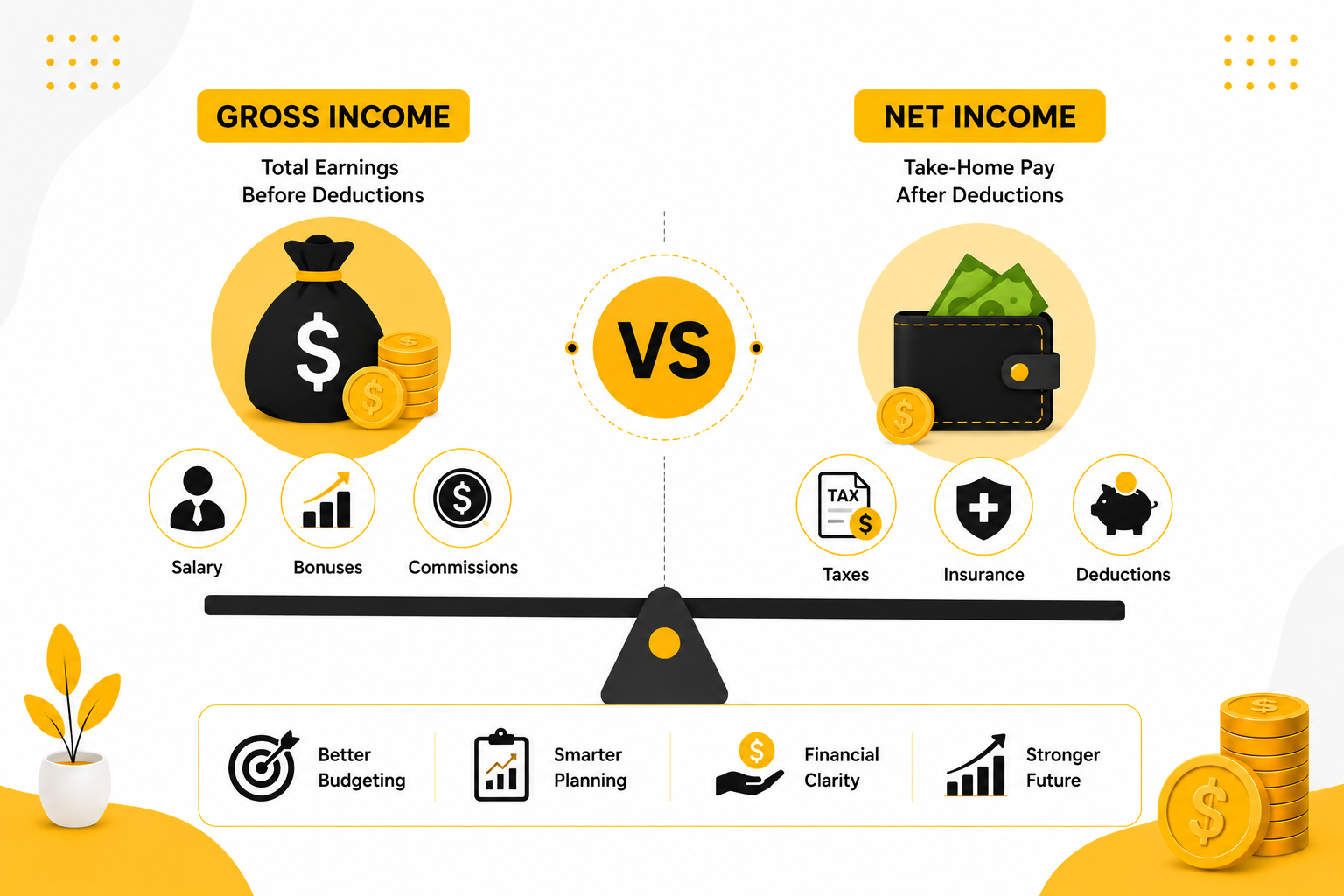
Your gross pay is the amount you earn before deductions. Your net pay is the amount that reaches your bank account after deductions are removed.
The basic formula looks like this
Gross Pay − Taxes − Benefits − Other Deductions = Net Pay
A calculator does not replace your official payroll records or tax return. Instead, it provides an estimate that can help you plan your budget and understand your earnings.
Why Texas Paychecks Are Different
Texas is one of the states that does not collect a state personal income tax. This means employees generally do not have a Texas income tax withholding amount taken from their paychecks.
However, Texas workers still pay federal payroll taxes.
Every paycheck may include
Federal income tax withholding
Social Security tax
Medicare tax
The absence of state income tax can make Texas take home pay higher compared with some states that impose individual income taxes.
For example, an employee earning the same salary in Texas and a state with a personal income tax may see different paycheck amounts because the second employee could have an additional state tax deduction.
However, Texas residents may still pay other taxes, such as sales tax and property taxes, depending on their situation.
How Federal Taxes Affect a Texas Paycheck
Although Texas does not have a state income tax, federal taxes remain a major factor in paycheck calculations.
Employers use information from your Form W 4 to determine federal income tax withholding. The W 4 tells your employer information that affects your withholding, such as filing status and additional withholding requests.
Federal income tax is progressive, meaning different portions of income may be taxed at different rates.
Your actual federal tax liability depends on factors including
Annual income
Filing status
Tax deductions
Tax credits
Other income sources
The amount withheld from your paycheck throughout the year is only an estimate of your final federal tax obligation.
When you file your federal tax return, you compare your total withholding with your actual tax liability. If you paid more than required, you may receive a refund. If you paid less, you may owe additional tax.
Understanding FICA Taxes in Texas
FICA taxes are payroll taxes required by federal law. They help fund Social Security and Medicare programs.
FICA includes
Social Security Tax
Employees generally pay Social Security tax on wages up to the annual Social Security wage base limit. The tax rate is set by federal law and can change over time.
Medicare Tax
Medicare tax applies to employee wages and does not have the same wage cap as Social Security tax.
Some higher income employees may also have an additional Medicare tax withholding requirement.
A paycheck calculator Texas estimate should include these deductions because they affect nearly every employee.
Texas Paycheck Example Salary Employee
Consider a Texas employee earning
Annual salary $70,000
Pay schedule Biweekly (26 paychecks per year)
Filing status Single
No retirement contribution
No health insurance deduction
First, calculate gross biweekly pay
$70,000 ÷ 26 = approximately $2,692.31 per paycheck
This is the employees gross paycheck before deductions.
The employee may then have deductions for
Federal income tax withholding
Social Security tax
Medicare tax
After those deductions, the final paycheck amount will be lower than $2,692.31.
The exact take home pay depends on the employees W 4 information and benefits.
Texas Hourly Paycheck Example
Hourly workers need a slightly different calculation.
Suppose an employee earns
Hourly wage $25
Hours worked per week 40
Pay schedule Weekly
Weekly gross pay
$25 × 40 = $1,000
Annual gross pay estimate
$1,000 × 52 = $52,000
The employees paycheck will then be reduced by applicable deductions.
Hourly workers may have additional factors affecting pay, including
The more information entered, the closer the estimate will be to your actual paycheck.
Remember that bonuses, commissions, overtime, and irregular income may be taxed differently from regular wages.
Conclusion
A paycheck calculator Texas tool helps employees estimate their real income after taxes and deductions. Since Texas does not have a state personal income tax, workers generally avoid state income tax withholding, but federal taxes and payroll deductions still affect every paycheck.The most accurate paycheck estimate considers gross wages, federal withholding, Social Security, Medicare, benefits, and retirement contributions.Whether you are starting a new job, comparing salary offers, planning a budget, or reviewing a raise, knowing your expected take home pay can help you make better financial decisions.A paycheck calculator provides a useful estimate, but your final paycheck depends on your employers payroll calculations and your personal tax situation.
No. Texas does not currently have a state individual income tax, so employers generally do not withhold Texas income tax from employee paychecks. However, Texas workers still pay federal income taxes and payroll taxes.
How do I calculate my paycheck in Texas?
To estimate your paycheck in Texas, start with your gross wages and subtract federal income tax withholding, Social Security tax, Medicare tax, and any benefit deductions. A paycheck calculator can simplify this process.
Why is my Texas paycheck lower than my salary?
Your salary is your gross income before deductions. Your paycheck is lower because taxes, retirement contributions, health insurance, and other deductions may reduce the amount deposited into your account.
How much tax is taken from a paycheck in Texas?
The amount depends on your income, filing status, W 4 information, and deductions. Texas does not collect state income tax, but federal income tax and FICA taxes still apply.
Are bonuses taxed differently in Texas?
Bonuses are generally subject to federal tax withholding rules and payroll taxes. The final tax impact depends on your total income and tax situation.
How often should I check my paycheck calculations?
You may want to review your paycheck whenever your salary, benefits, tax situation, or deductions change. Regular reviews can help identify unexpected differences.
Can a paycheck calculator show my exact take home pay?
No calculator can guarantee the exact amount because payroll systems use your employers records and current withholding information. A calculator provides an estimate based on the details entered.
I am a professional finance content writer with expertise in personal finance investing, banking, loans, insurance, credit cards, budgeting, and market related topics. I create clear, SEO optimized, and reader friendly finance content that helps audiences understand complex financial concepts in simple words. My goal is to write trustworthy and engaging content that improves search visibility, builds credibility, and supports business growth.
I am a professional finance content writer with expertise in personal finance investing, banking, loans, insurance, credit cards, budgeting, and market related topics. I create clear, SEO optimized, and reader friendly finance content that helps audiences understand complex financial concepts in simple words. My goal is to write trustworthy and engaging content that improves search visibility, builds credibility, and supports business growth.










Pingback: Liability Insurance for Small Business:7 Smart Protection Tip