
Federal Income Tax How It Works, Rates, Brackets, and Ways to Reduce Your Bill
You earned money all year, received your paycheck, and then tax season arrives with one big question How much of this do I actually owe? Many people think their entire income is taxed at one flat rate, but that is not how the U.S. system works.
Understanding federal income tax can help you make smarter choices about retirement savings, deductions, withholding, and major financial decisions. The rules can feel complicated, but the basics are easier than most people expect.
The goal is not to avoid taxes completely. It is to understand how the system works so you are not surprised later.
How Federal Income Tax Works
The U.S. federal tax system uses a progressive tax structure, which means higher portions of income are taxed at higher rates.
Your income is divided into tax brackets. Moving into a higher bracket does not mean all your income gets taxed at that higher rate.
For example, if someone moves from the 12% bracket into the 22% bracket, only the income above the lower bracket threshold is taxed at 22%.
That is one of the biggest misunderstandings people have about taxes.
Federal Income Tax Brackets Explained
Tax brackets change every year based on IRS adjustments. The following 2026 figures should be verified with the IRS before publishing because inflation adjustments and tax law changes can affect final numbers.
For the 2026 tax year, the federal income tax rates are expected to include
- 10%
- 12%
- 22%
- 24%
- 32%
- 35%
- 37%
Your bracket depends on
- Filing status
- Taxable income
- Deductions
- Credits
Common filing statuses include
- Single
- Married filing jointly
- Married filing separately
- Head of household
Your taxable income is the amount left after adjustments and deductions, not always your total salary.
Federal Income Tax Example How Brackets Actually Apply
Imagine Sarah is single and earns $80,000 in wages.
She does not pay one single tax rate on the entire $80,000.
Instead, portions of her taxable income fall into different brackets.
A simplified example
- First portion taxed at the lowest rate
- Next portion taxed at the next rate
- Remaining income taxed at higher rates
Her effective tax rate could be much lower than her highest tax bracket.
The highest bracket that applies to her income is called her marginal tax rate. The average percentage she actually pays is her effective tax rate.
Those two numbers are often different.
Taxable Income vs Total Income
Many people calculate taxes using their salary alone.
That can lead to mistakes.
Your taxable income may be reduced by
- Standard deduction
- Retirement contributions
- Health savings account contributions
- Certain business expenses
- Other eligible adjustments
Example
A person earns $75,000 but qualifies for $15,000 in deductions.
Their taxable income is closer to $60,000.
Taxes are calculated on taxable income, not the original salary amount.
Standard Deduction and Federal Income Tax
Most taxpayers use the standard deduction because it is simple and often provides the biggest benefit.
The standard deduction amount changes each year and depends on filing status.
For example, a married couple filing jointly usually receives a larger standard deduction than a single taxpayer.
Some people choose itemized deductions instead, especially if they have large qualifying expenses such as
- Mortgage interest
- Charitable donations
- Certain medical expenses
The better choice is whichever lowers your taxable income more.
Federal Income Tax Credits vs Deductions
Tax deductions and tax credits reduce your taxes in different ways.
Tax Deduction
A deduction reduces taxable income.
Example
If you qualify for a $5,000 deduction, your taxable income decreases by $5,000.
Tax Credit
A credit directly reduces the amount of tax you owe.
Example
A $2,000 tax credit can reduce your tax bill by $2,000.
Credits are often more valuable because they reduce your actual tax amount.
Common credits include
- Child Tax Credit
- Earned Income Tax Credit
- Education related credits
How Your Paycheck Handles Federal Income Tax
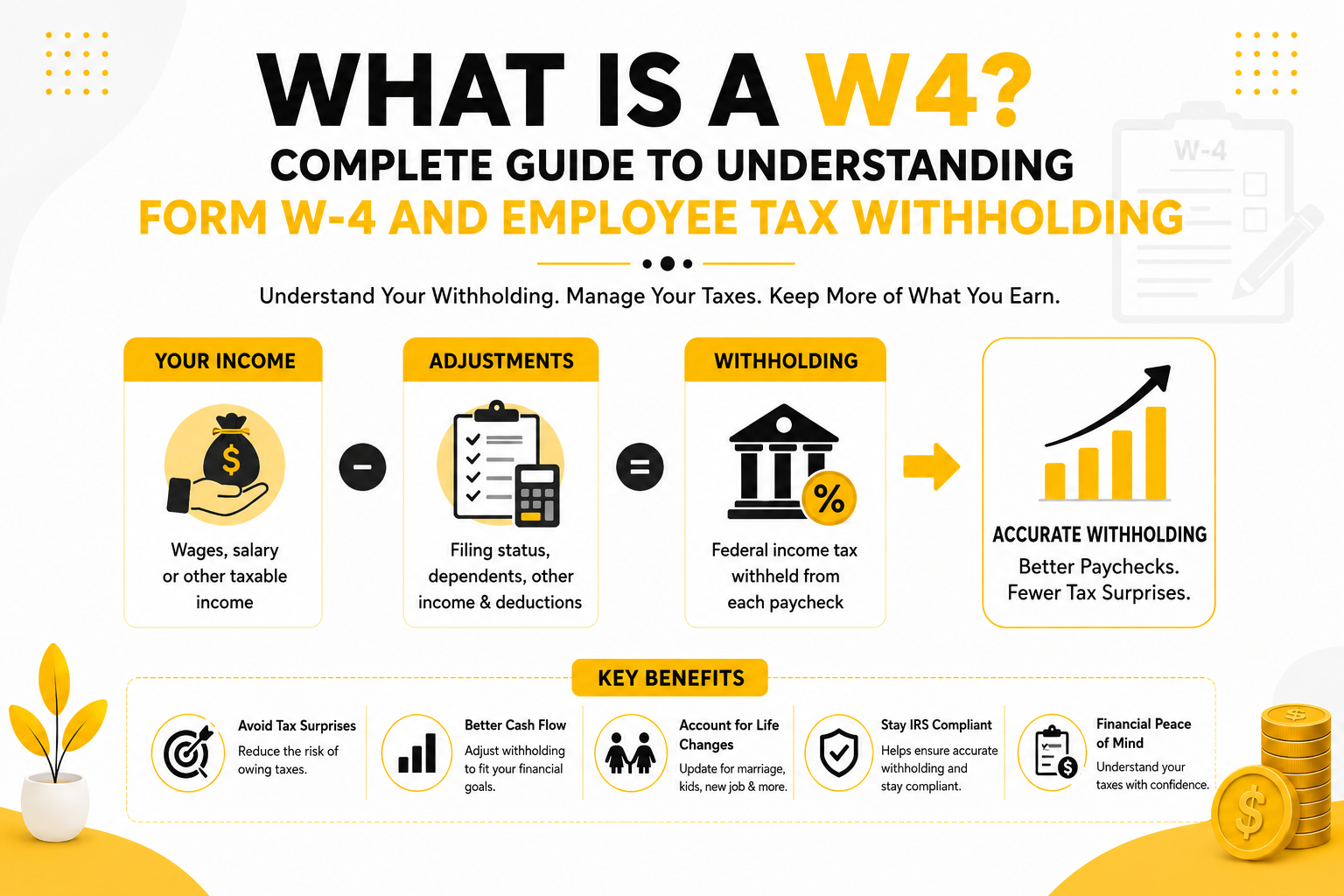
Most employees do not pay their entire tax bill at tax time.
Instead, employers withhold money from each paycheck.
Your withholding depends on information from your Form W 4.
Too little withholding can lead to a tax bill.
Too much withholding means you gave the government an interest free loan and may receive a refund.
A large refund feels good, but it can also mean your paycheck was smaller throughout the year than necessary.
Ways to Lower Your Federal Income Tax
You cannot control every tax rule, but you can make decisions that may reduce taxable income.
Increase Retirement Contributions
Contributing to certain retirement accounts can reduce current taxable income.
Examples
- Traditional 401(k)
- Traditional IRA (if eligible)
A Roth IRA works differently because contributions are generally made after taxes, but qualified withdrawals may be tax free.
Use Health Savings Accounts
If you qualify for an HSA eligible health plan, HSA contributions may provide tax advantages.
HSAs can offer benefits for current medical expenses and future healthcare costs.
Track Eligible Business Expenses
Self employed workers may be able to deduct qualifying business expenses.
Examples
- Software
- Equipment
- Professional services
- Business related travel
Keeping accurate records matters.
Federal Income Tax for Self Employed Workers
Employees usually have taxes withheld automatically.
Self employed workers handle taxes differently.
They may need to pay
- Income tax
- Self employment tax
- Estimated quarterly payments
A freelancer earning $100,000 in business income cannot simply compare that number to an employees salary because tax responsibilities differ.
Planning throughout the year prevents a painful tax bill.
Common Federal Income Tax Mistakes
Ignoring Tax Withholding
A paycheck change, new job, marriage, or side income can affect your taxes.
Your W 4 should match your current situation.
Confusing Refunds With Savings
A refund does not mean you paid less tax.
It usually means you overpaid during the year.
Forgetting Side Income
Money from freelancing, online sales, consulting, or rental income may create tax obligations.
The IRS generally expects taxpayers to report taxable income.
Waiting Until Tax Season
Tax planning works best before December.
Once the year ends, many opportunities disappear.
Federal Income Tax and Major Financial Decisions
Taxes should be part of your financial planning.
Before making big decisions, consider the tax impact
Buying a Home
Mortgage interest rules, property taxes, and deductions may affect your situation.
Selling Investments
Capital gains taxes may apply when investments are sold for profit.
Changing Jobs
A new salary can change withholding and tax brackets.
Taxes are not the only factor, but ignoring them can reduce the benefit of financial choices.
Conclusion
Understanding federal income tax helps you make better decisions throughout the year instead of reacting when the tax deadline arrives.Learn your bracket, check your withholding, use available deductions and credits, and keep good records.A little planning can make tax season much easier.Educational disclaimer This article provides general educational information and is not personalized tax advice. Federal tax rates, deductions, credits, and IRS rules can change. Consult a qualified tax professional for advice based on your specific financial situation.
You may also read more blogs
FAQs
What is the federal income tax rate?
The federal income tax system uses multiple tax brackets ranging from lower to higher rates. Your actual tax rate depends on your taxable income and filing status.
Is my entire income taxed at my tax bracket rate?
No. The U.S. tax system applies different rates to different portions of your taxable income. Your highest bracket is your marginal rate, not necessarily your overall tax rate.
How can I reduce my federal income tax?
Common strategies include increasing eligible retirement contributions, using available deductions, claiming tax credits, and keeping accurate records.
What is the difference between federal income tax and state income tax?
Federal income tax is collected by the U.S. government. State income tax is collected separately by individual states, and some states do not have an income tax.
Why did I get a tax refund?
A refund usually means you paid more tax through withholding or estimated payments than you owed. It is a return of your own money.
Do freelancers pay federal income tax?
Yes. Freelancers generally must report income and may need to make estimated tax payments throughout the year.
Does a higher salary always mean paying more taxes?
A higher salary can increase taxes, but only the additional income is taxed at higher bracket rates. Earning more does not mean losing money overall.

I am a professional finance content writer with expertise in personal finance investing, banking, loans, insurance, credit cards, budgeting, and market related topics. I create clear, SEO optimized, and reader friendly finance content that helps audiences understand complex financial concepts in simple words. My goal is to write trustworthy and engaging content that improves search visibility, builds credibility, and supports business growth.