
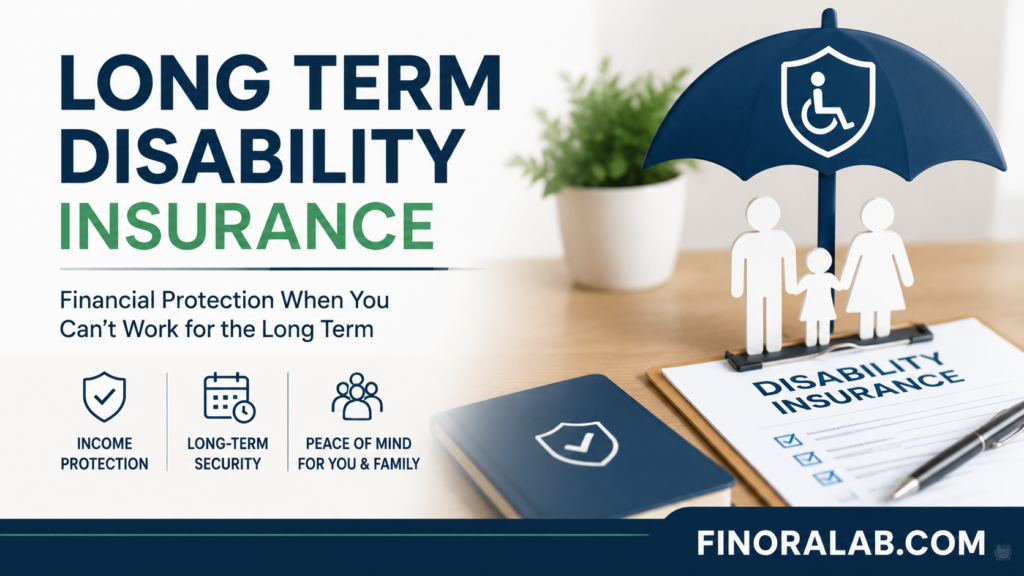
Long term disability insurance is a type of financial protection designed to replace a portion of your income if you become unable to work for an extended period because of an illness, injury, or medical condition. For many individuals, their ability to earn income is one of their most valuable financial assets. Without income protection, a serious health event could create challenges with paying bills, managing debt, saving for retirement, and maintaining financial stability.
Many people assume disability insurance is only necessary for workers in physically demanding jobs, but long term disabilities can affect employees across many industries. Office workers, professionals, business owners, and skilled workers can all experience conditions that prevent them from continuing their normal employment.
Understanding how long term disability insurance works, what it covers, how much it costs, and when it may be useful can help individuals make informed financial decisions. This type of insurance is an important part of risk management and long term financial planning because it protects future earning potential.
What Is Long Term Disability Insurance?
Long term disability insurance provides income replacement benefits when a policyholder cannot work for a prolonged period due to a qualifying disability. Instead of replacing medical costs, this insurance focuses on replacing part of the income lost when a person is unable to perform their job duties.
Most long term disability insurance policies pay a percentage of the individuals pre disability income. The benefit amount is usually designed to help cover essential expenses such as housing costs, utilities, groceries, insurance payments, and debt obligations.
The purpose of this coverage is to provide financial support during extended periods when returning to work is not possible. Depending on the policy terms, benefits may continue for several years or until retirement age.
How Does Long Term Disability Insurance Work?
Long term disability insurance generally begins after a waiting period called the elimination period. This is the amount of time a person must remain disabled before benefits begin. Common elimination periods include 60, 90, 180, or 365 days.
After the elimination period is completed, the insurance company reviews the claim and determines whether the policy requirements have been met. If approved, the policyholder begins receiving monthly disability payments based on the coverage terms.
Policies differ significantly in their definitions of disability. Some policies provide benefits if a person cannot perform their specific occupation, while others require that the person cannot perform any suitable occupation. Understanding these definitions is essential before purchasing coverage.
Why Is Long Term Disability Insurance Important?
The primary purpose of long term disability insurance is protecting income. For most working individuals, future earnings represent a significant financial resource that supports daily living and long term goals.
A disability that prevents someone from working for months or years can quickly affect savings and financial plans. Without income replacement, individuals may need to rely on emergency funds, family support, loans, or retirement savings.
Long term disability insurance can provide financial confidence by creating a safety net. It allows individuals to focus on recovery rather than immediately worrying about how they will manage their expenses.
What Does Long Term Disability Insurance Cover?
Long term disability insurance typically covers income loss caused by qualifying disabilities resulting from illnesses or injuries. Covered conditions may include serious accidents, chronic illnesses, neurological disorders, cancer, heart conditions, and other medical issues that affect the ability to work.
The policy usually pays a monthly benefit based on a percentage of the insured persons income. For example, a policy may replace 50% to 70% of pre disability earnings, depending on the plan selected.
Coverage details depend on the insurance provider and policy contract. Important factors include benefit amount, waiting period, benefit duration, disability definition, exclusions, and optional features.
Long Term Disability Insurance vs Short Term Disability Insurance
Short term disability insurance and long term disability insurance serve different purposes. Short term disability coverage provides income replacement for temporary disabilities and usually begins sooner after an illness or injury.
Long term disability insurance is designed for more serious situations where a person cannot work for an extended period. Benefits may begin after short term coverage ends or after the selected elimination period.
Many employees use both types of coverage together. Short term disability can provide immediate financial support, while long term disability insurance provides protection if the disability continues for months or years.
How Much Does Long Term Disability Insurance Cost?
The cost of long term disability insurance depends on several factors, including age, occupation, health history, income level, coverage amount, benefit period, and policy features.
Individuals in higher risk occupations may pay more because certain jobs involve greater chances of injury. Similarly, older applicants or those with certain health conditions may receive higher premiums.
Although premiums represent an additional expense, many people view disability insurance as a form of income protection. The potential financial impact of losing the ability to work can be much greater than the cost of maintaining coverage.
Employer Sponsored vs Individual Long Term Disability Insurance
Many employers offer long term disability insurance as part of employee benefits packages. Employer sponsored plans can be convenient and may have lower costs because coverage is offered to groups of employees.
However, employer provided coverage may have limitations. The benefit amount may not fully replace income, and coverage may end if the employee leaves the company.
Individual long term disability insurance provides personal coverage that stays with the policyholder regardless of employment changes. It can offer more customization but may require higher premiums compared with workplace plans.
Factors to Consider When Choosing Long Term Disability Insurance
Selecting the right long term disability insurance policy requires reviewing several important factors. The definition of disability is one of the most critical considerations because it determines when benefits can be received.
The benefit amount should also match financial needs. Individuals should evaluate monthly expenses, existing savings, debt obligations, and future financial goals when deciding how much coverage is appropriate.
Other important features include benefit duration, inflation protection, rehabilitation support, residual disability benefits, and policy renewal terms. Carefully comparing options can help individuals choose coverage that aligns with their financial situation.
Common Mistakes With Long Term Disability Insurance
One common mistake is assuming employer provided coverage is enough. Workplace policies may provide valuable protection, but the benefit amount may not fully cover household expenses after a disability.
Another mistake is waiting too long to purchase coverage. Premiums are often lower when individuals are younger and healthier, while health changes may affect eligibility or pricing.
Some people also fail to understand policy definitions and exclusions. Reading the contract carefully and asking questions before purchasing coverage can help prevent unexpected problems during a claim.
Long Term Disability Insurance and Financial Planning
Long term disability insurance is an important part of comprehensive financial planning. Traditional financial strategies often focus on saving, investing, and retirement planning, but protecting income is equally important.
Income allows individuals to build wealth, pay debts, support families, and achieve financial goals. Protecting that income source helps preserve financial progress if unexpected health challenges occur.
A complete risk management strategy may include emergency savings, health insurance, life insurance, disability coverage, and retirement planning. These tools work together to create stronger financial protection.
Filing a Long Term Disability Insurance Claim
Filing a long term disability insurance claim requires documentation and communication with the insurance provider. Policyholders typically need medical records, employment information, proof of income, and statements from healthcare professionals.
Insurance companies review claims based on policy requirements and medical evidence. The approval process may take time because insurers must determine whether the disability meets the policy definition.
Keeping organized records and following claim procedures carefully can improve the process. Individuals may also seek guidance from financial professionals or legal experts when facing complicated claim situations.
Conclusion
Long term disability insurance provides important financial protection by replacing a portion of income when a person cannot work because of a qualifying disability. Since income is one of the most valuable financial resources individuals have, protecting it can be an important part of responsible financial planning.The right disability insurance policy depends on personal circumstances, including occupation, income level, financial responsibilities, and existing benefits. Understanding coverage options, costs, limitations, and policy terms helps individuals make better decisions.While no insurance policy can prevent unexpected health challenges, long term disability insurance can reduce financial uncertainty and provide support during difficult periods. Including income protection as part of a broader risk management strategy can strengthen long term financial security.
You may also read more blogs
FAQs
What is long term disability insurance?
Long term disability insurance is coverage that provides income replacement if a person becomes unable to work for an extended period due to illness or injury.
How long does long term disability insurance last?
The benefit period depends on the policy. Some policies provide benefits for a specific number of years, while others may continue until retirement age if eligibility requirements are met.
How much does long term disability insurance pay?
Most policies replace a percentage of pre disability income, often around 50% to 70%, depending on the policy terms and coverage limits.
Is long term disability insurance worth it?
For many working individuals, long term disability insurance can provide valuable financial protection because losing income for an extended period can create significant financial challenges.
Does long term disability insurance cover mental health conditions?
Some policies may cover certain mental health conditions, but coverage depends on the policy terms, limitations, and insurance provider requirements.
Can self employed individuals get long term disability insurance?
Yes. Self employed workers can purchase individual long term disability insurance to protect their income if they become unable to work.
What is the difference between long term and short term disability insurance?
Short term disability insurance covers temporary disabilities for shorter periods, while long term disability insurance provides protection for extended disabilities lasting months or years.
Can I have long term disability insurance through my employer?
Many employers offer long term disability insurance as an employee benefit. However, workplace coverage may have limitations compared with individual policies.
When should I buy long term disability insurance?
Many financial professionals recommend considering coverage while you are younger and healthier because eligibility and pricing may be more favorable.
What happens if my long term disability claim is denied?
If a claim is denied, policyholders can review the reason for denial, provide additional documentation, and follow the appeal process outlined in the insurance policy.

I am a professional finance content writer with expertise in personal finance investing, banking, loans, insurance, credit cards, budgeting, and market related topics. I create clear, SEO optimized, and reader friendly finance content that helps audiences understand complex financial concepts in simple words. My goal is to write trustworthy and engaging content that improves search visibility, builds credibility, and supports business growth.




Pingback: Allstate Customer Service: Phone Number & Support Guide | FinoraLabs
Pingback: Investment Banking Guide: How Deals & Markets Work