Introduction
The world market affects almost every part of modern financial life. Whether you are saving money, investing in stocks, buying imported goods, running a business, or watching fuel prices, global market movements can influence your financial decisions.
In simple terms, the world market refers to the interconnected system of global stock exchanges, bond markets, currencies, commodities, banking activity, trade, and economic news. When oil prices rise, interest rates change, inflation increases, or major stock indexes move sharply, the effects can spread across countries.
For beginners, understanding the world market may sound complicated. However, once you learn the basics, it becomes easier to understand why global financial news matters and how it can affect your money, investments, and long term planning.
World Market: Meaning, Importance, and Key Factors
What Is the World Market?
The world market is the global financial and economic system where investors, businesses, governments, banks, and consumers interact through trade, investment, currencies, stocks, bonds, commodities, and services.
It includes major financial areas such as
- Global stock markets
- Currency exchange markets
- Commodity markets like oil, gold, wheat, and gas
- Bond and debt markets
- International trade
- Banking and financial institutions
- Cryptocurrency and digital asset markets
- Economic indicators such as inflation, GDP, and employment data
When people talk about the world market, they often mean the overall direction of global financial markets.
Why the World Market Matters
The world market matters because countries are financially connected. A major event in one region can affect investors and consumers around the world.
For example, if oil prices rise, transportation and production costs may increase. This can push inflation higher and affect household budgets. If major central banks raise interest rates, borrowing becomes more expensive, which can affect mortgages, business loans, stock prices, and currency values.
For investors, the world market is important because it helps them understand global opportunities and risks.
Main Parts of the World Market
Stock Markets
Stock markets allow people to buy and sell shares of companies. Major stock markets include the United States, Europe, Japan, China, India, and other emerging markets.
Global stock markets are influenced by company earnings, interest rates, inflation, economic growth, technology trends, and investor confidence.
Currency Markets
The currency market, also called the foreign exchange or forex market, is where currencies are traded. Exchange rates affect imports, exports, travel costs, international investments, and business profits.
A stronger U.S. dollar, for example, can make dollar priced goods more expensive for other countries.
Commodity Markets
Commodity markets include oil, gold, natural gas, copper, wheat, and other raw materials. These markets are important because they affect energy prices, food costs, manufacturing, and inflation.
Oil is especially important because it influences transport, production, and consumer prices.
Bond Markets
Bond markets involve government and corporate debt. Bond yields often move based on interest rates, inflation expectations, and investor confidence.
When bond yields rise, borrowing costs may increase for governments, businesses, and consumers.
Crypto and Digital Assets
Cryptocurrency is also part of the modern financial market, although it is much more volatile and risky than traditional assets. Crypto prices can move sharply due to regulation, investor sentiment, technology updates, and global liquidity conditions.
Quick Summary Table
| Topic | Simple Meaning | Why It Matters | Main Risk |
|---|---|---|---|
| World Market | Global financial and economic system | Affects stocks, currencies, prices, and trade | Volatility |
| Stock Market | Buying and selling company shares | Helps investors grow wealth over time | Market losses |
| Currency Market | Trading global currencies | Affects imports, exports, and investments | Exchange-rate risk |
| Commodity Market | Trading oil, gold, food, and raw materials | Impacts inflation and business costs | Supply shocks |
| Bond Market | Government and corporate borrowing | Influences interest rates and income investing | Rate risk |
| Crypto Market | Digital asset trading | Offers innovation and high-risk opportunities | Extreme volatility |
How the World Market Works
The world market works through supply, demand, investor expectations, government policies, central bank decisions, and global events.
Here is a simple example
Suppose oil prices rise because of supply concerns. Higher oil prices can increase fuel and transportation costs. Businesses may spend more to move goods, and consumers may pay more for fuel and products. If inflation rises, central banks may keep interest rates higher. Higher interest rates can reduce business investment and affect stock market valuations.
This shows how one event in the commodity market can influence inflation, interest rates, currencies, stocks, and household budgets.
Benefits of Understanding the World Market
Better Investment Decisions
Understanding the world market helps investors make more informed decisions. Instead of reacting emotionally to market news, investors can understand the bigger picture.
Improved Risk Management
Global markets can be unpredictable. Knowing how different assets behave can help investors diversify across stocks, bonds, cash, commodities, and international markets.
Stronger Personal Finance Planning
The world market affects inflation, interest rates, job growth, and currency values. These factors can influence savings, loans, travel, education costs, and retirement planning.
Business Awareness
Business owners can use global market knowledge to understand supply costs, currency movements, import prices, and customer demand.
Risks of the World Market
Market Volatility
Stock prices, crypto prices, and commodities can rise or fall quickly. Investors should avoid assuming that past performance guarantees future results.
Currency Risk
International investments can lose value if exchange rates move against the investor.
Inflation and Interest Rate Risk
High inflation and rising interest rates can reduce purchasing power and affect investment returns.
Geopolitical Risk
Wars, trade tensions, sanctions, elections, and policy changes can create uncertainty in global markets.
Liquidity Risk
Some investments may be difficult to sell quickly without accepting a lower price, especially in stressed market conditions.
Step-by-Step Guide How Beginners Can Follow the World Market
Step 1: Track Major Global Indexes
Start by following major stock market indexes such as the S&P 500, Nasdaq, Dow Jones, FTSE 100, DAX, Nikkei, Hang Seng, and MSCI World Index.
These indexes give a broad view of market performance.
Step 2: Watch Interest Rates and Inflation
Interest rates and inflation are two of the most important market drivers. When inflation is high, central banks may keep interest rates higher, which can affect stocks, bonds, loans, and currencies.
Step 3: Follow Commodity Prices
Oil, gold, natural gas, and food commodities can influence inflation and economic growth.
Step 4: Understand Currency Movements
Currency changes can affect international investments, imports, exports, and travel costs.
Step 5: Read Reliable Financial News
Use trusted sources such as central bank updates, government economic reports, international institutions, and reputable financial news platforms.
Step 6: Avoid Emotional Investing
Do not buy or sell investments only because of headlines. Use a long term plan, proper research, and risk management.
Step 7: Diversify Your Portfolio
Diversification can help reduce risk. A balanced portfolio may include local stocks, international stocks, bonds, cash, and other suitable assets depending on your goals and risk tolerance.
Costs and Fees to Consider When Investing in the World Market
If you invest in global markets, you may face different costs, including:
- Brokerage fees
- Currency conversion charges
- Fund expense ratios
- International transaction fees
- Tax withholding on foreign dividends
- Capital gains taxes, depending on your country
- Account maintenance charges
Always check fee details before investing because small fees can reduce long term returns.
Common Mistakes to Avoid
Following Market Hype
Many beginners invest after seeing viral market news. This can lead to buying at high prices without proper research.
Ignoring Risk Tolerance
Not every investment is suitable for every person. A risky stock, crypto asset, or foreign market fund may not match your financial goals.
Putting All Money in One Market
Investing only in one country, sector, or asset class can increase risk.
Not Checking Currency Impact
International investments can be affected by exchange rates, even when the investment itself performs well.
Expecting Guaranteed Returns
No stock market, crypto asset, commodity, or global investment can guarantee returns.
Ignoring Taxes
Taxes can affect investment returns. Always understand your local tax rules or consult a qualified tax professional.
Using Borrowed Money to Invest
Investing with borrowed money can increase losses. Beginners should be especially careful with margin trading or leveraged products.
Latest Update Section
As of July 6, 2026, global markets remain sensitive to oil prices, central bank policy, artificial intelligence related earnings, currency movements, and geopolitical developments. Reuters reported that Wall Street opened mostly higher on July 6, 2026, supported by optimism around chip stocks, while European stocks were near record levels earlier in the session. Reuters also noted that MSCI’s global stock gauge was slightly higher that day.
Oil remained an important market driver. Reuters reported that OPEC+ agreed to raise output targets by 188,000 barrels per day from August, while Brent crude traded around $72 per barrel and U.S. WTI traded near $68 per barrel on July 6, 2026.
For the broader economy, the World Bank’s June 2026 Global Economic Prospects projected global growth to slow to 2.5% in 2026, citing energy price pressures, renewed inflation, tighter monetary policy expectations, geopolitical risks, and commodity disruptions.
The IMF’s earlier 2026 outlook also highlighted downside risks, including energy price shocks, geopolitical tensions, financial tightening, and inflation pressure. In its April 2026 briefing, the IMF described a reference scenario where global growth falls to 3.1% in 2026 and headline inflation rises to 4.4%, while more adverse scenarios showed weaker growth and higher inflation.
Because world market conditions change daily, readers should verify the latest stock prices, interest rates, crypto prices, oil prices, and economic data from reliable financial sources before making any investment decision.
Expert Tips for Understanding the World Market
Think Long Term
Short term market movements can be noisy. Long term investors should focus on financial goals, diversification, and risk control.
Keep Emergency Savings First
Before investing in volatile markets, build an emergency fund. This helps you avoid selling investments during market downturns.
Use Diversified Funds Carefully
Global index funds and exchange traded funds can provide exposure to international markets, but investors should still check fees, currency risk, holdings, and tax treatment.
Do Not Chase Hot Sectors
Technology, artificial intelligence, crypto, and commodities can attract attention, but high popularity can also lead to overvaluation.
Review Your Portfolio Regularly
Market conditions change. Review your investments periodically to make sure they still match your goals, time horizon, and risk tolerance.
Learn Before Investing
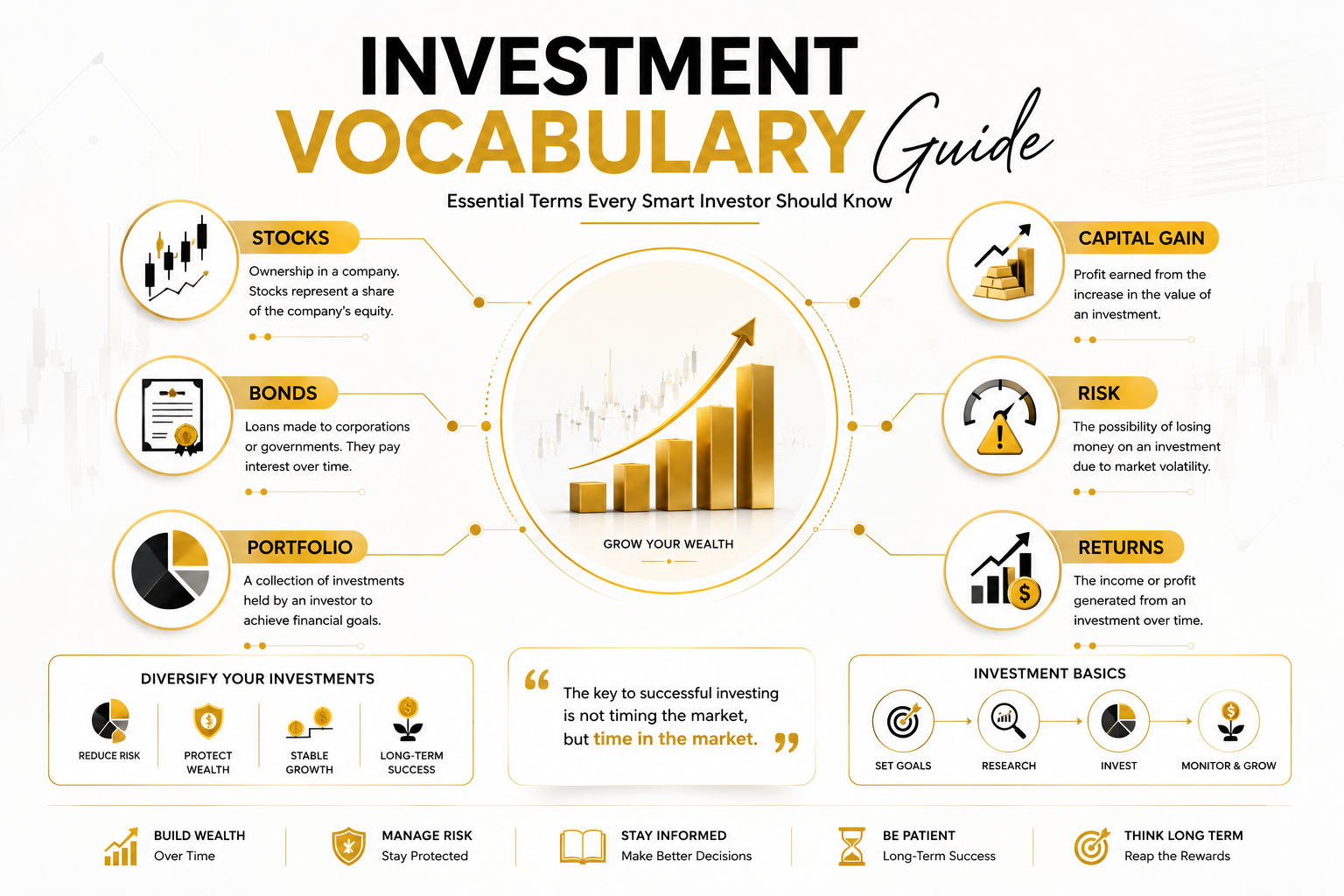
Beginners should understand basic terms such as stocks, bonds, ETFs, inflation, interest rates, exchange rates, dividends, and capital gains.
Conclusion
The world market is a powerful financial system that connects stocks, bonds, currencies, commodities, banking, trade, and economic news across countries. Understanding how it works can help investors, savers, and business owners make smarter financial decisions.
You may also read this blog post
Allstate Home Insurance Company
Finance Disclaimer
This article is for educational and informational purposes only. It is not financial, investment, tax, legal, loan, insurance, or retirement advice. Markets involve risk, and investment values can go up or down. Always consult a qualified financial advisor, tax professional, or licensed expert before making financial decisions.
FAQs
What does world market mean in finance?
The world market means the global financial system where stocks, bonds, currencies, commodities, crypto assets, and international trade are connected.
Is the world market the same as the stock market?
No. The stock market is only one part of the world market. The world market also includes bonds, currencies, commodities, banking, trade, and economic activity.
Why does the world market affect personal finance?
The world market can affect inflation, interest rates, fuel prices, job growth, investment returns, loan costs, and currency values.
How can beginners invest in the world market?
Beginners can consider diversified global funds, ETFs, or professionally managed portfolios after understanding their goals, risk tolerance, fees, and tax rules.
Is investing in the world market risky?
Yes. Global investing carries risks such as market volatility, currency changes, political events, inflation, and economic slowdowns.
What should I watch to understand world market trends?
Watch global stock indexes, oil prices, gold prices, interest rates, inflation data, central bank decisions, currency movements, and major economic reports.
Can the world market predict the economy?
The world market can reflect investor expectations about the economy, but it cannot perfectly predict the future. Markets can react quickly to news, data, and sentiment.

I am a professional web developer with strong expertise in digital marketing, SEO, and content writing. I specialize in building modern, responsive, and user-friendly websites that deliver performance and results. Along with development skills, I have a deep understanding of search engine optimization strategies and online marketing techniques that help businesses grow their online presence. My goal is to create impactful digital solutions that combine creativity, functionality, and visibility for better user engagement and business success.