FICO Score: What It Is, How It Works, and How to Improve Your Credit Rating in 2026
Shanzay Arain·Jun 13, 2026
A FICO Score is one of the most important numbers in personal finance. Whether you’re applying for a mortgage, auto loan, credit card, apartment lease, or even certain jobs, your FICO Score can significantly influence the outcome.
Millions of consumers focus on improving their credit profiles because lenders rely heavily on credit scoring models when evaluating financial risk. A strong FICO Score can lead to lower interest rates, higher credit limits, better loan approvals, and significant savings over time.
Understanding how FICO Scores work is essential for anyone who wants to build financial stability. Fortunately, improving a credit score is often achievable through consistent financial habits and responsible credit management.
This guide explains everything you need to know about FICO Scores, including score ranges, calculation factors, lender usage, and practical strategies for improvement.
What Is a FICO Score?
A FICO Score is a credit scoring model used by lenders to evaluate a person’s creditworthiness. It provides a numerical representation of how likely a borrower is to repay debt responsibly.
The scoring system analyzes information from an individual’s credit reports and converts that information into a three-digit score. Lenders use this score to assess risk when making lending decisions.
Because the FICO Score has become one of the most widely used credit evaluation tools, it plays a major role in the consumer lending industry. Financial institutions often rely on it when determining approval decisions, loan terms, and interest rates.
Consumers with higher scores are generally viewed as lower-risk borrowers, while lower scores may indicate a greater likelihood of missed payments or default.
Understanding How FICO Scores Work
FICO Scores are designed to predict future credit behavior based on historical financial activity. The model examines patterns found within credit reports and identifies indicators of responsible or risky borrowing.
Rather than evaluating income or employment status directly, the score focuses on how consumers manage existing credit obligations. Consistent repayment behavior typically contributes positively to a score.
The scoring model continuously updates as new information appears on credit reports. Changes in balances, payment history, account openings, and credit utilization can all influence future scores.
Because credit profiles evolve over time, FICO Scores can increase or decrease depending on ongoing financial decisions.
Why FICO Scores Matter
FICO Scores influence many important financial opportunities. Mortgage lenders, auto finance companies, banks, and credit card issuers frequently use these scores during approval processes.
A higher score often results in more favorable loan terms. Borrowers with strong credit profiles may qualify for lower interest rates, reducing borrowing costs over the life of a loan.
Landlords, insurance providers, and some employers may also review credit information during decision-making processes. While specific practices vary, strong credit can create additional opportunities.
Maintaining a healthy FICO Score helps consumers access financial products more easily and often at lower overall costs.
Latest Update on FICO Score Trends
Recent credit industry trends show increasing emphasis on responsible credit management as lenders continue evaluating borrower risk in changing economic conditions.
Financial institutions are placing greater importance on payment consistency and overall credit profile stability. Consumers with strong credit histories often remain in favorable positions when seeking new financing.
Technology improvements have also expanded access to credit monitoring tools. Many consumers now track their scores regularly and receive alerts when changes occur.
As awareness of financial literacy grows, more individuals are actively working to improve their credit health and understand how scoring systems operate.
Components That Influence a FICO Score
Several key factors contribute to FICO Score calculations. Each component reflects different aspects of a consumer’s credit behavior and financial responsibility.
These factors work together to create a comprehensive assessment of borrowing habits. No single action determines a score; instead, multiple elements interact within the overall credit profile.
Understanding these components allows consumers to focus their efforts on behaviors that may positively influence credit standing over time.
Knowledge of scoring factors is often the first step toward long-term credit improvement.
Payment History and Credit Behavior
Payment history is generally considered the most influential factor affecting a FICO Score. Lenders want evidence that borrowers consistently pay debts on time.
Late payments, missed payments, collections, and serious delinquencies can negatively impact a credit profile. Conversely, a long history of timely payments typically strengthens a score.
Even a single missed payment can remain on a credit report for years. As a result, maintaining payment consistency is one of the most effective ways to protect credit health.
Consumers who establish automatic payments or payment reminders often reduce the risk of accidental late payments.
Credit Utilization and Available Credit
Credit utilization measures how much available revolving credit a consumer is currently using. It is commonly expressed as a percentage.
Lower utilization rates generally indicate responsible credit management. High utilization may signal financial stress or increased borrowing risk to lenders.
Keeping balances manageable relative to available credit limits can support a healthier credit profile. Many financial experts recommend maintaining low utilization whenever possible.
Responsible credit card usage often contributes positively to long-term score development.
Length of Credit History
The age of credit accounts can influence a FICO Score. Longer credit histories provide lenders with more information about a borrower’s financial behavior over time.
Older accounts often demonstrate stability and experience managing credit obligations. Consumers who maintain long-standing accounts may benefit from a stronger credit profile.
Closing older accounts can sometimes affect average account age and overall credit history metrics.
Building a lengthy credit history requires patience, consistency, and responsible account management.
Credit Mix and New Credit Applications
Credit mix refers to the variety of credit accounts appearing on a credit report. A balanced mix may include credit cards, installment loans, auto loans, mortgages, or student loans.
Lenders often appreciate evidence that consumers can manage different forms of credit responsibly. However, opening unnecessary accounts solely to diversify credit may not be beneficial.
New credit applications can also affect scores. Multiple inquiries within a short period may indicate increased borrowing activity.
Consumers should apply for new credit strategically and only when necessary.
FICO Score Ranges Explained
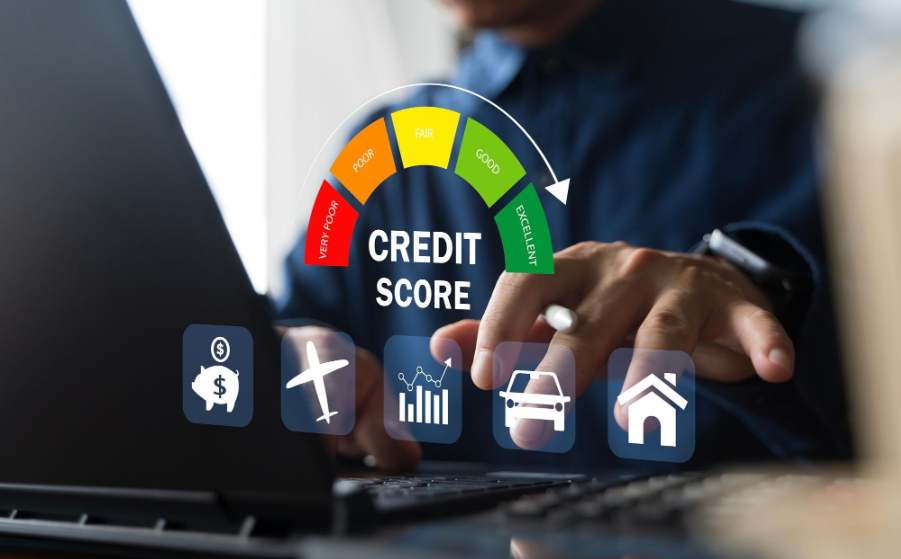
FICO Scores generally fall within a range that helps lenders classify borrowers according to risk levels.
Lower scores may indicate higher lending risk, while higher scores suggest stronger financial responsibility and repayment behavior.
Understanding where a score falls within the broader range helps consumers evaluate their credit standing and identify areas for improvement.
Score ranges also help lenders establish consistent underwriting standards across large applicant populations.
Poor, Fair, Good, Very Good, and Exceptional Scores
Credit scores are often categorized into broad quality levels. These categories help consumers understand how lenders may perceive their credit profiles.
Lower categories may lead to higher interest rates or reduced approval odds. Mid-range scores often provide access to standard lending products.
Higher categories generally offer the best borrowing opportunities, including competitive rates and premium financial products.
Consumers aiming for long-term financial success often focus on gradually moving into stronger credit categories through responsible financial behavior.
How Lenders Use FICO Scores
Lenders use FICO Scores to assess risk before approving credit applications. The score helps predict the likelihood that a borrower will repay obligations as agreed.
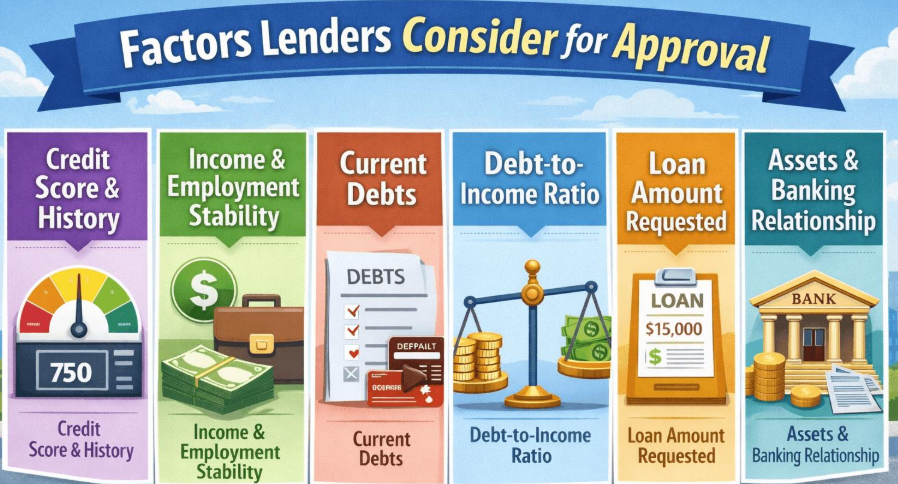
Financial institutions combine credit scores with other factors such as income, debt levels, and employment information when making decisions.
A strong score can improve approval chances and help borrowers secure favorable terms. Lower scores may require additional documentation or result in higher borrowing costs.
Understanding lender perspectives can help consumers appreciate the importance of maintaining healthy credit profiles.
FICO Score Versus Credit Score
Many consumers use the terms “FICO Score” and “credit score” interchangeably, but they are not exactly the same.
A credit score is a broad term describing any numerical credit rating model. FICO Score refers specifically to a scoring model developed by the Fair Isaac Corporation.
Different scoring models may produce slightly different results because they use varying formulas and weighting methods.
Understanding these distinctions helps consumers interpret credit monitoring information more accurately.
Common Factors That Lower FICO Scores
Several behaviors can negatively affect a FICO Score. Missed payments remain among the most damaging issues because they directly impact payment history.
High credit utilization, excessive debt, frequent credit applications, and account defaults may also reduce scores.
Errors on credit reports can sometimes contribute to lower scores as well. Consumers should periodically review their credit reports for accuracy.
Addressing negative factors promptly may help minimize long-term damage to a credit profile.
Effective Ways to Improve Your FICO Score
Improving a FICO Score typically requires consistent financial discipline rather than quick fixes. Making all payments on time remains one of the most effective strategies.
Reducing credit card balances and maintaining low utilization rates can also contribute to score improvement. Consumers should avoid accumulating unnecessary debt whenever possible.
Monitoring credit reports regularly helps identify inaccuracies or fraudulent activity that could impact scores.
Over time, responsible credit habits often produce meaningful improvements in overall credit health.
How Long It Takes to Build Better Credit
Credit improvement timelines vary depending on individual circumstances. Minor issues may be addressed relatively quickly, while significant negative events can require more time to overcome.
Positive financial behaviors gradually build trust within credit scoring models. Consistency is often more important than speed when working toward higher scores.
Consumers who remain patient and focused on responsible credit management frequently experience gradual improvements over time.
Building excellent credit is typically viewed as a long-term financial goal rather than an immediate achievement.
Why FICO Scores Are Trending
Interest in FICO Scores continues to grow as consumers become more aware of the role credit plays in financial success.
Digital banking tools, financial education resources, and credit monitoring services have made credit information more accessible than ever before.
Rising borrowing costs have also encouraged individuals to seek better credit scores in order to qualify for lower interest rates.
As financial literacy expands, FICO Scores remain a popular topic among consumers seeking greater control over their financial futures.
Reviews and Consumer Perspectives
Many consumers view FICO Scores as valuable indicators of financial health because they provide measurable feedback regarding credit management practices.
People with strong scores often report easier access to loans, better interest rates, and greater financial flexibility.
Some consumers express frustration with the complexity of credit scoring systems, particularly when unexpected score changes occur.
Despite occasional criticism, FICO Scores remain among the most widely trusted tools used throughout the lending industry.
Conclusion
A FICO Score serves as one of the most important indicators of financial health in today’s credit-driven economy. It influences lending decisions, interest rates, credit approvals, and many other aspects of personal finance.
By understanding how FICO Scores work and focusing on responsible credit habits, consumers can strengthen their financial profiles and access better opportunities. Consistent payments, low credit utilization, strategic borrowing, and regular credit monitoring remain the foundation of long-term credit success.
Whether you’re building credit for the first time or working to improve an existing score, investing in your credit health can produce benefits that last for years.
Frequently Asked Questions
What is a FICO Score?
A FICO Score is a credit rating used by lenders to assess a borrower’s creditworthiness and repayment risk.
What is considered a good FICO Score?
A good score generally falls within higher credit quality categories that lenders view favorably.
How often does a FICO Score update?
Scores can change whenever new information is reported to credit bureaus.
Does checking my own FICO Score hurt my credit?
No. Personal credit checks are typically considered soft inquiries and do not affect scores.
Can I improve my FICO Score quickly?
Some improvements may occur within months, but significant changes usually require consistent financial habits over time.
Why did my FICO Score decrease?
Common reasons include missed payments, increased credit utilization, new credit applications, or negative account activity.
Is a FICO Score the same as a credit report?
No. A credit report contains detailed credit information, while a FICO Score is a numerical summary derived from that information.
Why do lenders care about FICO Scores?
They help lenders evaluate risk and make informed lending decisions.
I am a professional finance content writer with expertise in personal finance investing, banking, loans, insurance, credit cards, budgeting, and market related topics. I create clear, SEO optimized, and reader friendly finance content that helps audiences understand complex financial concepts in simple words. My goal is to write trustworthy and engaging content that improves search visibility, builds credibility, and supports business growth.
I am a professional finance content writer with expertise in personal finance investing, banking, loans, insurance, credit cards, budgeting, and market related topics. I create clear, SEO optimized, and reader friendly finance content that helps audiences understand complex financial concepts in simple words. My goal is to write trustworthy and engaging content that improves search visibility, builds credibility, and supports business growth.