Understanding your gross annual income is one of the most important steps in taking control of your financial life. Whether you’re applying for a loan filing taxes budgeting or negotiating a salary this number plays a central role in how financial institutions and employers evaluate you. Yet many people confuse gross income with net income leading to misunderstandings that can affect major financial decisions.
In simple terms gross annual income refers to the total amount of money you earn in a year before any taxes deductions or expenses are taken out. This guide will break down everything you need to know—from how it’s calculated to why it matters in real-world financial planning—so you can make smarter more informed decisions.

What Is Gross Annual Income and Why It Matters
Gross annual income is the total amount of money an individual earns in one year before any deductions such as taxes retirement contributions or insurance premiums. It includes wages salaries bonuses commissions freelance income and sometimes investment earnings depending on the context.
This figure matters because lenders landlords and financial institutions use it to assess your financial stability. When you apply for a mortgage car loan or rental property your gross annual income helps determine how much you can afford. It acts as a baseline for evaluating your financial capacity.
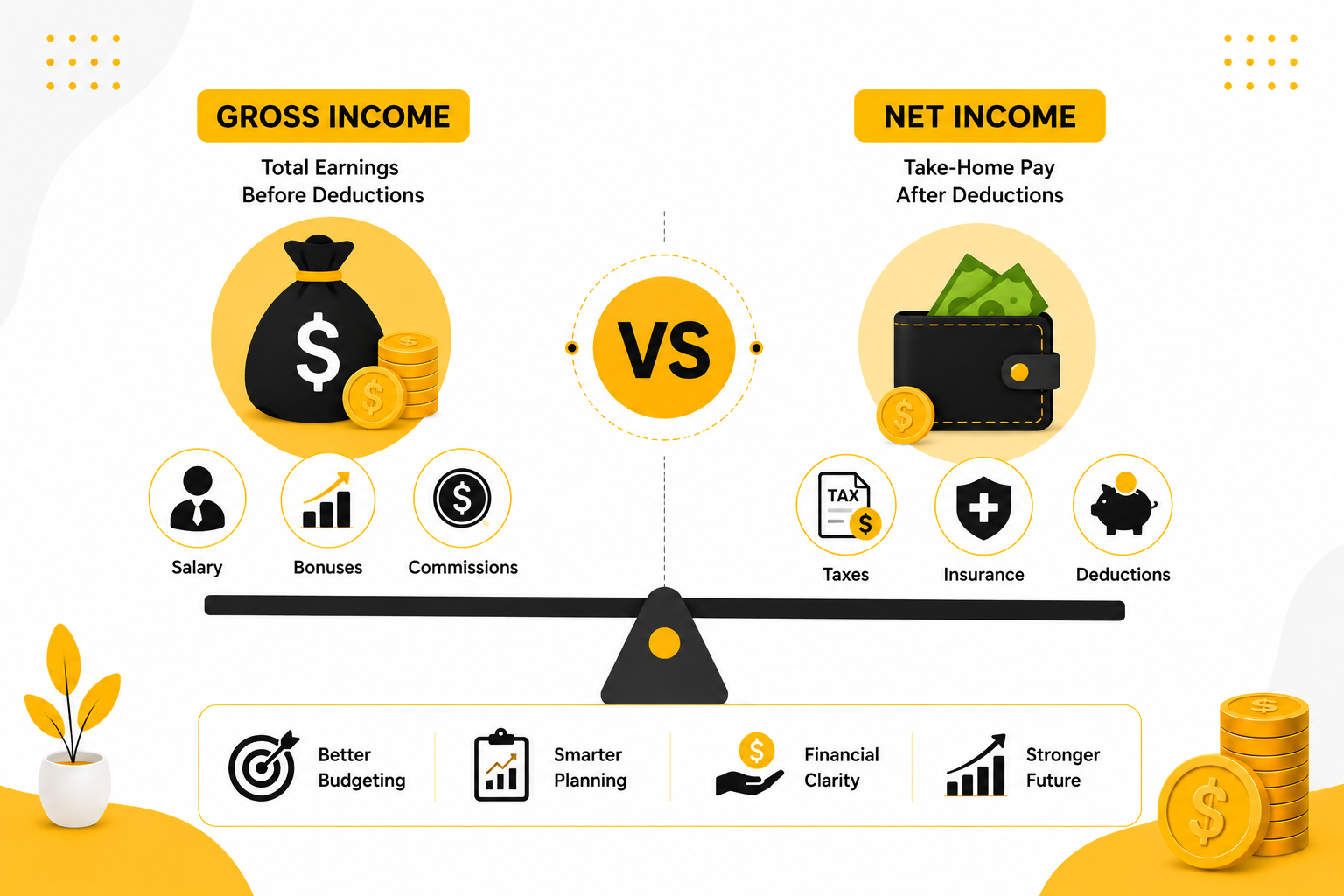
Gross Annual Income vs Net Income Explained Clearly
One of the most common financial mistakes is confusing gross income with net income. While gross income is your total earnings before deductions net income is what you actually take home after taxes and other deductions. Understanding this difference is essential for accurate budgeting and financial planning.
For example if your gross annual income is $60000 your net income might only be around $45000 depending on tax rates and benefits. This gap is important because your day-to-day expenses must be covered by your net income not your gross income.
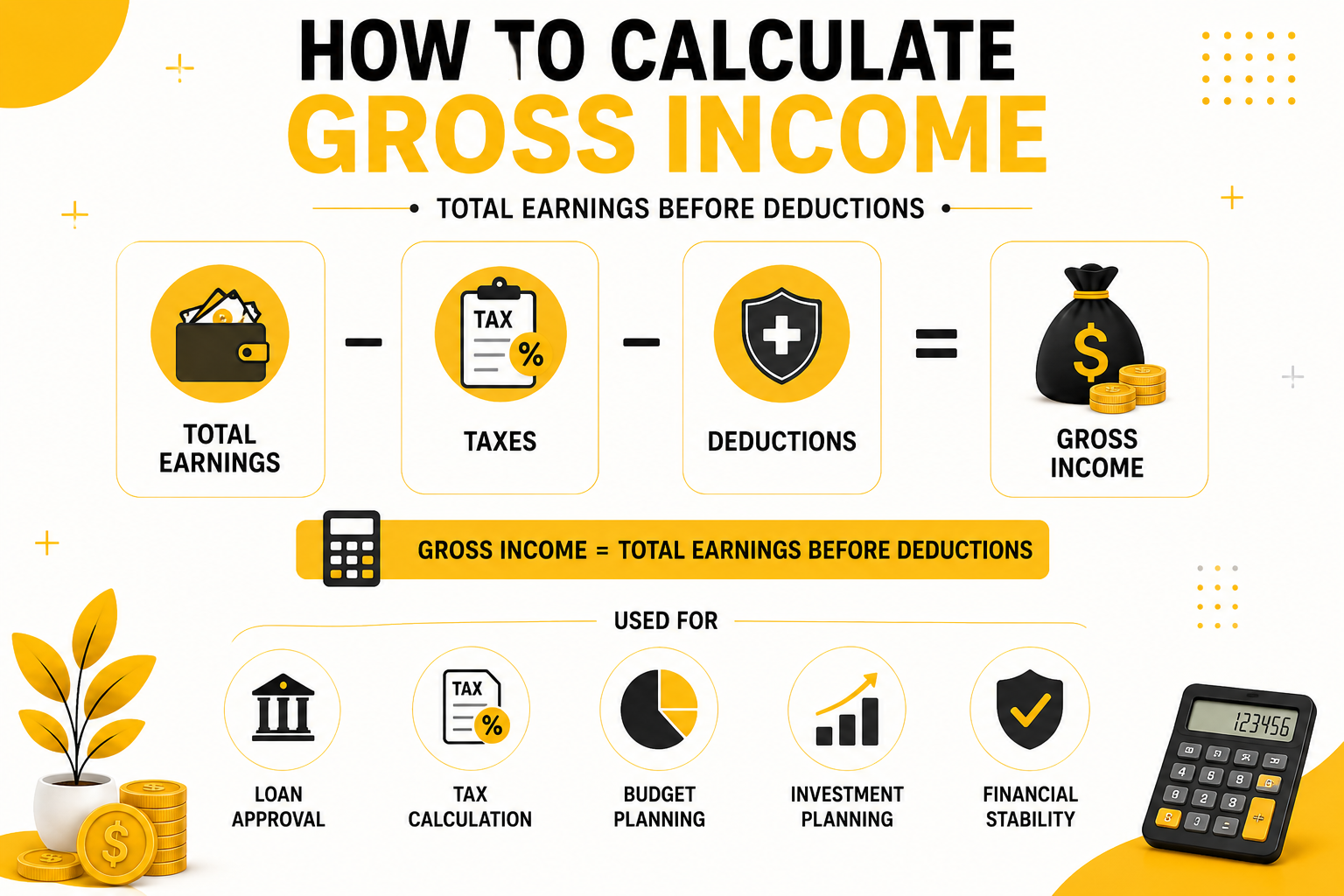
How to Calculate Gross Annual Income Step by Step
Calculating gross annual income is straightforward if you understand your income sources. For salaried employees you multiply your monthly salary by 12. If you are paid hourly you multiply your hourly wage by the number of hours worked per week then multiply by 52 weeks.
For example if someone earns $25 per hour and works 40 hours per week their annual gross income would be $52000. Adding bonuses overtime or side income gives a more accurate picture of total earnings. This makes gross annual income a key metric for financial evaluation.
Components That Make Up Gross Annual Income
Gross annual income is not just your salary. It includes multiple income streams such as wages freelance work commissions rental income dividends and bonuses. Each of these contributes to your total yearly earnings before deductions.
For many Americans especially freelancers and gig workers income can fluctuate. In such cases calculating an average monthly income and multiplying it by 12 helps estimate a realistic gross annual income. This is especially useful for loan applications and tax planning.

Why Gross Annual Income Matters for Loans and Credit
Lenders heavily rely on gross annual income when evaluating loan applications. Whether you’re applying for a mortgage personal loan or credit card your income helps determine your creditworthiness and borrowing capacity.
A higher gross annual income often improves your chances of approval and may lead to better interest rates. However lenders also consider debt-to-income ratio which compares your income with your existing financial obligations to assess risk.
Gross Annual Income in Tax Filing and IRS Reporting
In the United States gross income is a key starting point for tax calculations. The IRS uses it to determine taxable income after applying deductions exemptions and credits. Accurate reporting of your gross annual income ensures compliance with federal tax laws.
Failing to report income correctly can lead to penalties or audits. That’s why understanding all sources of income—including side gigs and investment returns—is essential for accurate tax filing and financial transparency.
How Employers Use Gross Annual Income in Salary Packages
Employers often present job offers in terms of gross annual income rather than net pay. This includes base salary plus bonuses and other compensation benefits. Understanding this helps employees evaluate job offers more accurately.
For example a job offering a $70000 gross annual income might seem attractive but after taxes and deductions the take-home pay may be significantly lower. Comparing offers using gross income allows for standardized evaluation across industries.
Average Gross Annual Income in the United States
The average gross annual income in the United States varies by industry education and location. According to labor market trends median household income typically ranges between $65000 and $75000 annually though this varies widely.
Understanding where you fall in comparison to national averages can help you evaluate career growth and financial health. Your gross annual income also plays a role in determining lifestyle affordability in different regions of the country.
Common Mistakes When Estimating Gross Annual Income
One common mistake is forgetting irregular income such as bonuses freelance work or overtime. This leads to underestimating your actual earnings and can affect financial planning or loan eligibility.
Another mistake is confusing gross annual income with disposable income. Many individuals assume their gross income reflects their spending power which is incorrect. Your gross annual income is only a starting point not your actual usable money.
How Gross Annual Income Affects Budgeting and Financial Planning
Gross annual income is a foundational metric in budgeting but it should always be paired with net income for realistic planning. It helps you set financial goals such as saving investing or purchasing a home.
Financial advisors often recommend using your net income for budgeting but your gross annual income for long-term financial planning and goal setting. This dual approach ensures both accuracy and strategic growth.

Gross Annual Income for Freelancers and Self-Employed Individuals
For freelancers and self-employed workers calculating gross annual income can be more complex due to inconsistent earnings. Income may vary month to month making it necessary to track earnings over time.
A practical approach is to calculate total yearly earnings from all clients and projects. This gives a clearer picture of your gross annual income which is essential for taxes loans and financial planning in self-employment scenarios.
How Taxes Impact Gross Annual Income Perception
Taxes significantly affect how people perceive their income. While gross annual income represents total earnings taxes reduce the actual amount available for spending. Federal state and local taxes all play a role in this reduction.
Understanding this distinction helps individuals avoid financial overestimation. Your gross annual income may look strong on paper but real financial strength depends on your after-tax income and expense management.
Improving Your Gross Annual Income Over Time
Increasing your gross annual income requires strategic planning skill development and career growth. This may include seeking promotions switching jobs developing side income streams or investing in education.
Many professionals focus on increasing their gross annual income as a long-term financial goal because it directly impacts lifestyle savings potential and investment opportunities. Even small increases can significantly affect lifetime earnings.
Conclusion
Your gross annual income is more than just a number—it is a key indicator of your financial health earning potential and economic opportunities. From loans and taxes to budgeting and career planning this figure influences nearly every major financial decision you make.
By understanding how it is calculated and how it impacts real-life financial situations you can take greater control of your financial future. Ultimately mastering your gross annual income helps you build a more stable informed and financially secure life.
FAQs
What is gross annual income in simple terms?
It is the total amount of money you earn in a year before taxes or deductions.
Is gross annual income before or after tax?
It is always calculated before taxes and other deductions.
How do I calculate gross annual income from hourly wages?
Multiply hourly wage by weekly hours then multiply by 52 weeks.
Does gross annual income include bonuses?
Yes bonuses and commissions are included in gross income.
Why do lenders use gross annual income?
To evaluate your ability to repay loans and determine financial stability.
Is gross annual income the same as salary?
Not exactly—salary is one part of gross income which may also include bonuses or side income.
Can freelancers calculate gross annual income easily?
Yes by adding all yearly earnings from clients and projects.
Does gross annual income affect taxes?
Yes it is the starting point for calculating taxable income.
What is a good gross annual income in the USA?
It depends on location and lifestyle but $60000–$100000 is often considered average to comfortable.

I am a professional finance content writer with expertise in personal finance investing, banking, loans, insurance, credit cards, budgeting, and market related topics. I create clear, SEO optimized, and reader friendly finance content that helps audiences understand complex financial concepts in simple words. My goal is to write trustworthy and engaging content that improves search visibility, builds credibility, and supports business growth.