Quicken Taxes: Complete Guide to Tax Management Planning and Financial Tracking
Shanzay Arain·May 21, 2026
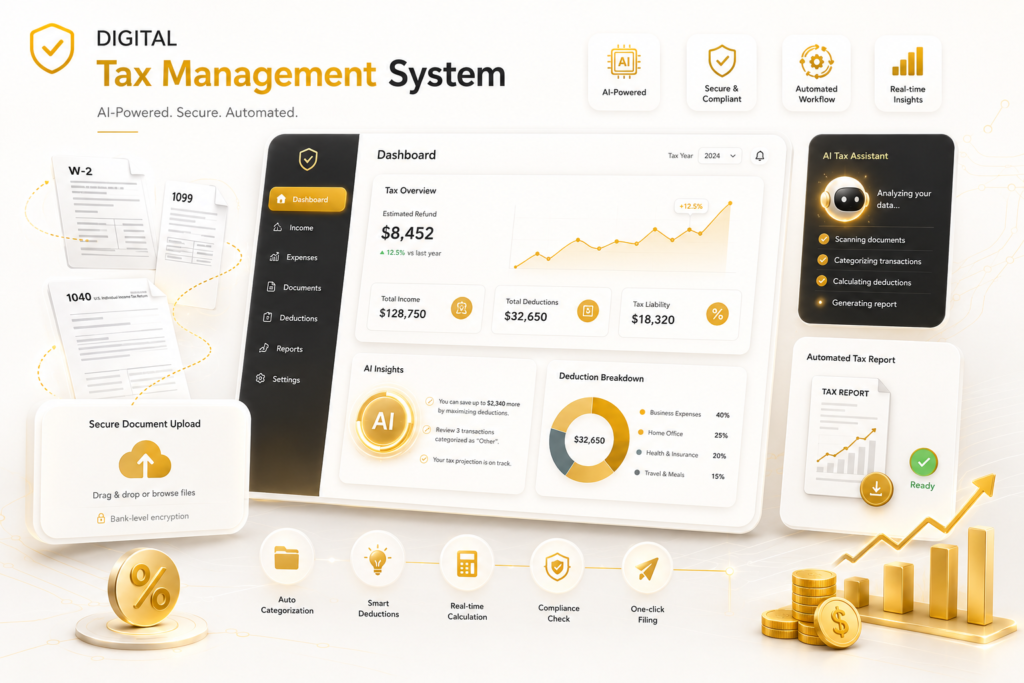
Managing taxes can feel overwhelming especially when income sources investments expenses and deductions start becoming more complex. This is why many individuals and small business owners search for reliable financial tools like Quicken taxes solutions to simplify tax preparation and financial organization.
Quicken has long been recognized as one of the most popular personal finance and money management platforms. Over the years it has evolved from simple budgeting software into a comprehensive financial management system that helps users track expenses organize tax-related transactions monitor investments and prepare for tax season more efficiently.
In today’s digital financial world tax management is no longer just about filing forms once a year. Proper tax planning helps individuals reduce errors maximize deductions improve financial forecasting and avoid costly penalties. Whether you are a freelancer salaried employee investor or small business owner using finance software alongside tax calculators and budgeting tools can make financial management far easier.
This guide explains everything you need to know about Quicken taxes including how Quicken supports tax management its key features benefits limitations tax formulas real-world applications and how financial tools simplify modern tax planning.
Key Takeaways
Quicken helps users organize financial data for easier tax preparation.
Tax tracking tools improve budgeting expense management and financial planning.
Quicken supports income tracking investment monitoring and deduction categorization.
Finance calculators simplify tax estimates loan planning and investment forecasting.
Good tax organization reduces errors and improves financial accuracy.
Small businesses and freelancers benefit significantly from automated financial tracking.
What Is Quicken Taxes?
The phrase Quicken taxes generally refers to using Quicken software and related financial tools to organize tax information track deductible expenses and simplify tax filing preparation.
Quicken itself is primarily a personal finance and budgeting platform rather than a dedicated tax filing software. However it integrates financial tracking features that help users prepare for tax season more effectively.
The software allows users to:
Monitor income and expenses
Categorize tax-deductible spending
Track investments
Generate financial reports
Organize business expenses
Monitor capital gains and losses
Estimate financial obligations
For many households and small businesses tax season becomes stressful because financial records are scattered across bank statements receipts invoices and spreadsheets. Quicken centralizes this information into one organized system.
Why Tax Organization Matters More Than Ever
Modern tax systems are becoming increasingly detailed. Governments require accurate reporting for income investments business expenses and deductions.
Without proper organization taxpayers may:
Miss valuable deductions
File inaccurate returns
Overpay taxes
Face penalties or audits
Struggle during tax season
Digital financial management tools help solve these issues by keeping records organized year-round instead of only during filing season.
This is especially important for:
Freelancers
Small business owners
Investors
Gig economy workers
Remote professionals
As income streams become more diverse financial tracking becomes essential.
The Evolution of Quicken in Personal Finance
Quicken was originally introduced in the 1980s as personal finance software designed to simplify budgeting and banking management.
Over time financial technology evolved significantly. Users demanded more advanced tools for:
Investment tracking
Tax planning
Debt management
Retirement forecasting
Financial reporting
Today Quicken supports a broad range of personal finance activities while helping users maintain better tax records.
The rise of cloud finance platforms and automation has made tax preparation faster and more accessible than traditional paper-based accounting systems.
How Quicken Helps With Taxes
Quicken does not replace professional tax advice but it significantly improves financial organization.
Expense Tracking
One of the most important tax preparation tasks is tracking expenses accurately.
Quicken automatically categorizes transactions such as:
Utilities
Business expenses
Mortgage payments
Medical expenses
Educational costs
Travel expenses
This helps users identify potential tax deductions quickly.
Income Monitoring
Users can track multiple income streams including:
Salaries
Freelance payments
Rental income
Dividends
Investment gains
This creates more accurate financial records during tax season.
Investment and Capital Gains Tracking
Investors often struggle with calculating gains and losses.
Quicken simplifies investment monitoring by tracking:
Stocks
Mutual funds
Retirement accounts
Capital gains
Dividend income
This helps investors estimate tax obligations more effectively.
Tax Reports
Quicken can generate financial summaries and reports that simplify tax preparation.
These reports may include:
Report Type
Purpose
Expense Reports
Track deductible spending
Income Reports
Monitor taxable income
Investment Reports
Analyze capital gains and losses
Cash Flow Reports
Understand money movement
Category Reports
Organize financial transactions
These reports help users prepare documents before filing taxes.
Benefits of Using Quicken for Tax Planning
Better Financial Organization
Having all financial records in one place reduces stress during tax season.
Users spend less time searching for receipts and statements.
Tracking gains and dividends regularly helps avoid surprises.
Quicken vs Traditional Spreadsheet Tax Tracking
Many users still rely on spreadsheets but dedicated financial software offers several advantages.
Feature
Quicken
Spreadsheets
Automation
Yes
Limited
Bank Syncing
Yes
Manual
Expense Categorization
Automatic
Manual
Financial Reports
Built-in
Manual setup
Tax Tracking
Advanced
Basic
Error Reduction
High
Lower
Spreadsheets remain useful for simple budgeting but automated systems improve efficiency significantly.
Future of Digital Tax Management
The future of finance is becoming increasingly automated.
Emerging technologies include:
AI-powered financial analysis
Automated deduction detection
Real-time tax forecasting
Blockchain financial verification
Predictive budgeting systems
These innovations will continue simplifying personal and business tax management.
Digital financial literacy is becoming more important every year as tax systems and investment markets grow more complex.
Conclusion
Managing Quicken taxes effectively is about far more than filing annual returns. It involves building an organized financial system that tracks income expenses investments and deductions throughout the year.
Quicken helps individuals families freelancers investors and small businesses improve financial organization while reducing tax-season stress. By combining budgeting tools financial reports investment tracking and automated expense categorization users gain better visibility into their financial health.
Modern finance tools such as tax calculators EMI calculators ROI calculators SIP calculators and compound interest calculators further simplify financial planning and long-term wealth management.
In today’s digital economy organized financial management is no longer optional. Whether preparing for taxes managing investments or improving budgeting habits the right financial tools can help users make smarter and more confident financial decisions.
FAQs
What is Quicken taxes used for?
Quicken taxes tools help users organize financial records track expenses monitor investments and simplify tax preparation.
Is Quicken a tax filing software?
Quicken mainly focuses on financial management and tax organization rather than direct tax filing.
Can Quicken track deductible expenses?
Yes. Quicken allows users to categorize expenses making tax deductions easier to identify.
Is Quicken useful for freelancers?
Yes. Freelancers use Quicken to track income business expenses invoices and tax-related financial records.
Does Quicken help with investment taxes?
Yes. Quicken helps monitor capital gains dividends and investment performance for better tax planning.
What finance calculators work well with Quicken?
Popular tools include tax calculators ROI calculators EMI calculators SIP calculators and compound interest calculators.
Can Quicken improve budgeting?
Yes. Quicken includes budgeting and spending analysis features that improve financial awareness.
Is Quicken suitable for small businesses?
Quicken works well for many small businesses especially those needing expense tracking and financial organization.
I am a professional finance content writer with expertise in personal finance investing, banking, loans, insurance, credit cards, budgeting, and market related topics. I create clear, SEO optimized, and reader friendly finance content that helps audiences understand complex financial concepts in simple words. My goal is to write trustworthy and engaging content that improves search visibility, builds credibility, and supports business growth.
I am a professional finance content writer with expertise in personal finance investing, banking, loans, insurance, credit cards, budgeting, and market related topics. I create clear, SEO optimized, and reader friendly finance content that helps audiences understand complex financial concepts in simple words. My goal is to write trustworthy and engaging content that improves search visibility, builds credibility, and supports business growth.