Roth IRA Income Limits 2025: Rules, Limits & Eligibility
Shanzay Arain·Sep 04, 2026
You saved money all year, opened a Roth IRA, and then you find out your income might be too high to contribute directly. It happens more often than people think.
The good news is that earning above the limit does not always mean a Roth IRA is completely off the table. The rules are more detailed than a simple allowed or not allowed answer.
Understanding the roth ira income limits can help you avoid excess contributions, missed opportunities, and costly mistakes that affect your retirement savings.
Roth IRA Income Limits for 2025 Explained
The IRS sets income limits each year that determine who can make direct Roth IRA contributions. These limits are based on your modified adjusted gross income (MAGI), which is a tax calculation used for specific rules and benefits.
For 2025, the income limits depend on your tax filing status. Single filers and married couples filing jointly have different thresholds.
For direct Roth IRA contributions in 2025
Filing Status
Full Contribution Allowed
Reduced Contribution Allowed
No Direct Contribution
Single or Head of Household
MAGI below about $150,000
About $150,000–$165,000
$165,000 or higher
Married Filing Jointly
MAGI below about $236,000
About $236,000–$246,000
$246,000 or higher
Married Filing Separately
Limited situations
Reduced range applies in very limited cases
Generally restricted above $10,000
These figures are based on IRS inflation adjustments and should be verified against current IRS guidance before filing.
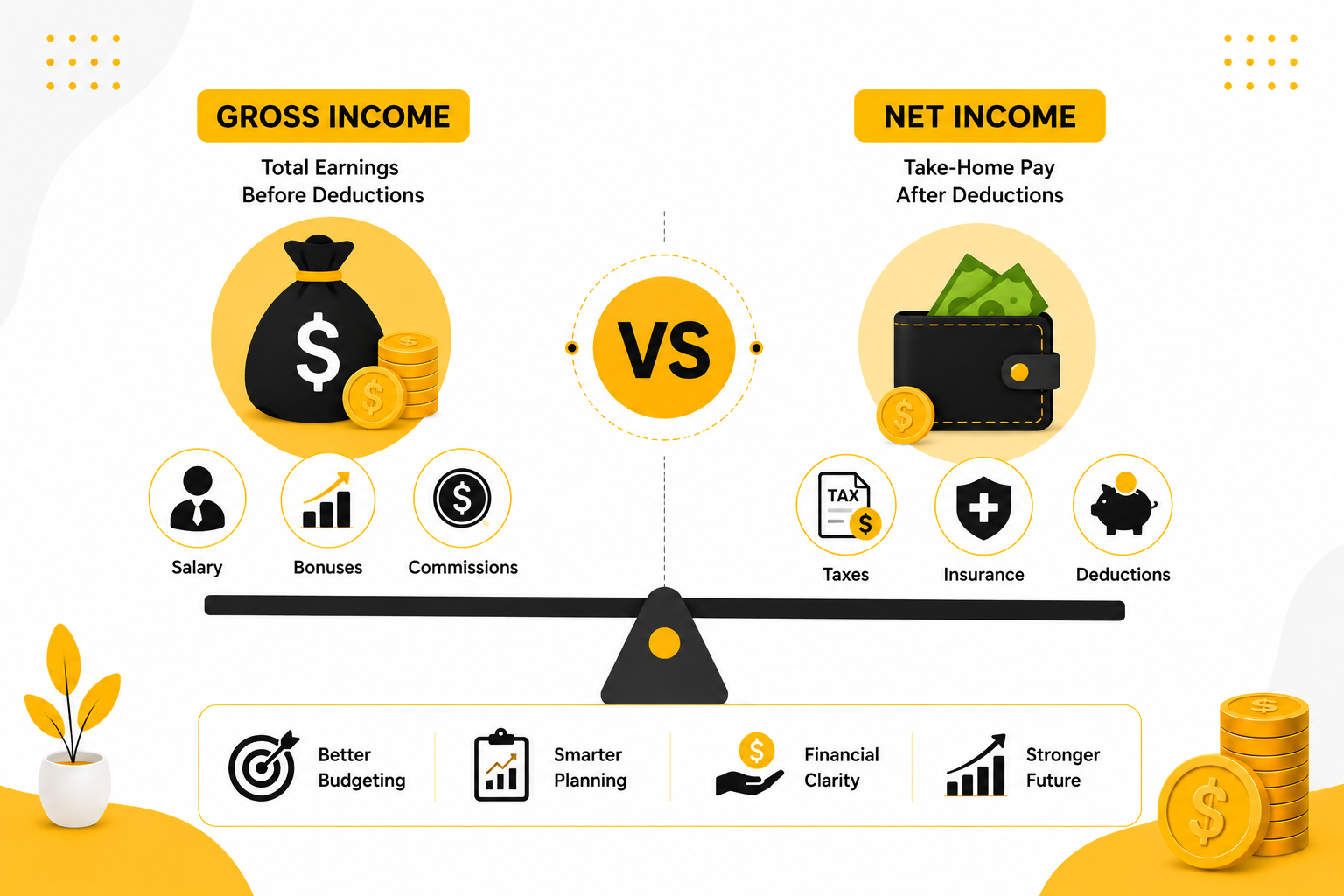
The important point is that Roth IRA eligibility is not based on your salary alone. Bonuses, investment income, and other taxable income can affect your MAGI.
How Roth IRA Income Limits Actually Work
A Roth IRA does not provide a tax deduction today. Instead, you contribute after-tax money, and qualified withdrawals in retirement are generally tax-free.
Because of that tax advantage, Congress limits who can contribute directly based on income.
If your income falls below the phase-out range, you can usually contribute the full annual amount. If your income falls inside the phase-out range, your contribution limit gradually decreases.
Once your income exceeds the upper limit, direct Roth IRA contributions are not allowed.
Many people make the mistake of checking only their paycheck amount. A person earning $140,000 in salary might still have other income that changes their eligibility.
How Much Can You Contribute to a Roth IRA in 2025?
Income limits decide whether you can contribute, but contribution limits decide how much you can put in.
For 2025, the Roth IRA contribution limit is
$7,000 for people under age 50
$8,000 for people age 50 or older
The additional $1,000 amount for older savers is called a catch-up contribution. It allows people closer to retirement to save more.
These limits apply across all your IRA accounts combined.
For example, if you contribute $4,000 to a traditional IRA, you generally cannot add another $7,000 to a Roth IRA. Your total IRA contributions cannot exceed the annual limit.
Example How Roth IRA Income Limits Affect a High Earner
Imagine Sarah is single and earns $155,000 in 2025.
At first glance, she may think she cannot contribute because she is above the full contribution threshold.
However, she is still inside the phase-out range.
Her Roth IRA contribution may be reduced instead of completely eliminated.
The calculation is based on her exact MAGI amount.
If Sarah earns $165,000 or more, she generally cannot make a direct Roth IRA contribution for that tax year.
Your MAGI calculation includes more than just your regular paycheck.
Income that may affect Roth IRA eligibility includes
Wages and salary
Bonuses
Self-employment income
Taxable investment income
Certain retirement income
Some deductions may reduce your taxable income, but Roth IRA MAGI rules have specific adjustments.
For example, a worker with a $150,000 salary and a large bonus may unexpectedly exceed the Roth IRA limit.
Planning before making a contribution can prevent problems later.
What Happens If You Contribute Too Much to a Roth IRA?
Making excess Roth IRA contributions can create tax problems.
The IRS generally charges a 6% penalty on excess contributions for each year the mistake remains unresolved.
Example
You contribute $7,000 to a Roth IRA but later discover you were not eligible.
If you do not correct the mistake, the excess amount could trigger penalties.
The solution is usually removing the excess contribution plus any earnings before the tax deadline. The exact correction process depends on your situation.
Ignoring the issue is usually the most expensive option.
Backdoor Roth IRA An Option for Higher Earners
Some high-income earners use a strategy called a backdoor Roth IRA.
This involves
Making a nondeductible contribution to a traditional IRA.
Converting that amount to a Roth IRA.
The strategy is legal, but it has tax rules that can make it complicated.
The biggest issue is the pro-rata rule. If you have existing pre-tax IRA money, the IRS may treat part of your conversion as taxable.
For example, someone with a large traditional IRA balance cannot simply convert only the after-tax portion and ignore the rest.
People often hear backdoor Roth is easy. The paperwork is easy. The tax consequences are where mistakes happen.
Roth IRA vs Traditional IRA Which One Fits Better?
A Roth IRA and traditional IRA have different tax benefits.
A Roth IRA
Uses after-tax contributions
Offers tax-free qualified withdrawals
Has income limits for direct contributions
A traditional IRA
May provide a current tax deduction
Uses pre-tax contributions in many cases
Requires taxes on withdrawals in retirement
A younger worker with many years before retirement may value Roth tax-free growth.
A higher-income worker looking for a current deduction may prefer traditional retirement options.
Roth IRA income limits are only one piece of retirement planning.
A strong retirement strategy usually includes
Employer 401(k) contributions
Emergency savings
Debt management
Tax planning
Long-term investing
A common mistake is focusing only on investment returns while ignoring tax planning.
For example, two people could invest the same amount but have different retirement outcomes because one planned around taxes and withdrawal rules.
Your retirement account choice should fit your overall financial plan.
Common Roth IRA Mistakes to Avoid
Many Roth IRA problems come from small errors.
Common mistakes include
Contributing without checking income eligibility
Forgetting IRA contribution deadlines
Choosing investments without understanding risk
Leaving money uninvested inside the account
Ignoring fees
A Roth IRA is only the account type. You still need to choose investments inside it.
Money sitting as cash for decades may not achieve the growth many investors expect.
How to Check Your Roth IRA Eligibility Before Contributing
Before contributing, review
Your expected annual income
Your tax filing status
Your MAGI estimate
Your existing retirement accounts
Your employer retirement plan options
If your income changes during the year, update your estimate.
A person receiving a promotion, large bonus, or business income increase should review Roth eligibility again before adding money.
It is easier to prevent an excess contribution than to fix one later.
Conclousion
The roth ira income limits can seem confusing, but the main idea is simple your ability to contribute directly depends on your income and filing status.Most people do not need complicated strategies. They need accurate income estimates, consistent saving habits, and a clear understanding of the rules.Check your MAGI before contributing, especially if your income is near the IRS limits. A few minutes of planning can prevent unnecessary taxes and penalties.Educational disclaimer This article provides general retirement and tax information for educational purposes only. It is not personalized financial advice. IRS rules, contribution limits, and income thresholds can change, so review current IRS guidance or consult a qualified tax professional for your situation.
The roth ira income limits for 2025 depend on your filing status. Single filers generally face a phase-out range around $150,000 to $165,000, while married couples filing jointly generally face a range around $236,000 to $246,000.
Can I contribute to a Roth IRA if I make too much money?
Direct Roth IRA contributions are not allowed above the IRS income limit. Some higher earners explore alternatives such as a backdoor Roth IRA, but tax rules must be followed carefully.
Is Roth IRA income based on salary or taxable income?
Eligibility is based on modified adjusted gross income, not simply your salary. Other income sources can affect your eligibility.
What happens if I contribute too much to my Roth IRA?
Excess Roth IRA contributions can trigger IRS penalties if not corrected. The excess amount and related earnings usually need to be removed following IRS procedures.
Can married couples contribute to a Roth IRA?
Yes, married couples can contribute if they meet IRS income requirements based on their filing status and combined MAGI.
Does a Roth IRA contribution reduce my taxes?
No. Roth IRA contributions are made with after-tax money and generally do not provide a current tax deduction.
Should I choose a Roth IRA or traditional IRA?
The better option depends on your current tax situation, expected future tax rate, and retirement goals. Many investors use both types of accounts for tax flexibility.
I am a professional finance content writer with expertise in personal finance investing, banking, loans, insurance, credit cards, budgeting, and market related topics. I create clear, SEO optimized, and reader friendly finance content that helps audiences understand complex financial concepts in simple words. My goal is to write trustworthy and engaging content that improves search visibility, builds credibility, and supports business growth.
I am a professional finance content writer with expertise in personal finance investing, banking, loans, insurance, credit cards, budgeting, and market related topics. I create clear, SEO optimized, and reader friendly finance content that helps audiences understand complex financial concepts in simple words. My goal is to write trustworthy and engaging content that improves search visibility, builds credibility, and supports business growth.