Debt Snowball Calculator: Calculate Your Debt-Free Journey in Minutes
Shanzay Arain·Jul 25, 2026
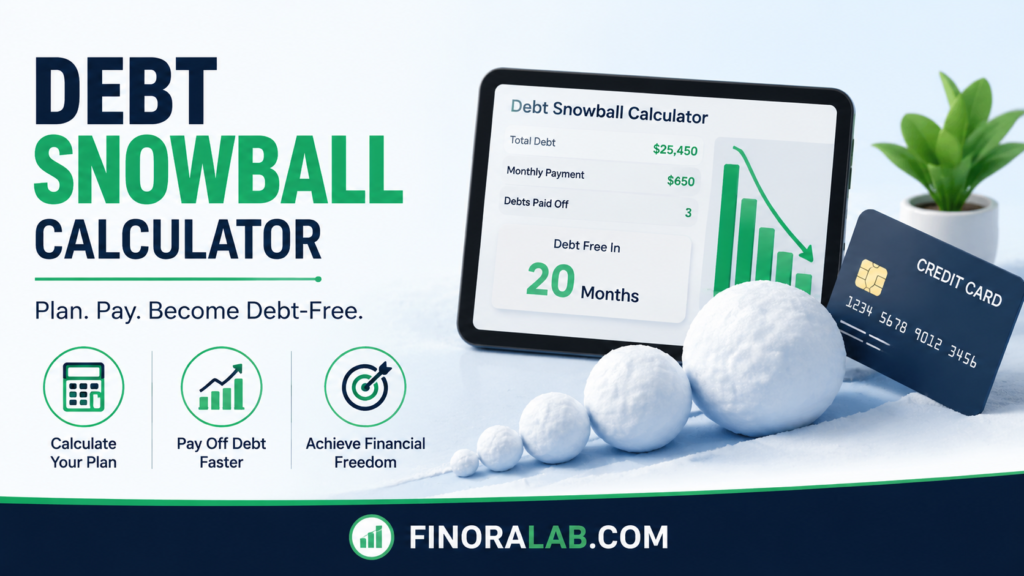
A debt snowball calculator is a powerful financial planning tool that helps individuals organize their debts and create a structured repayment strategy. Many people struggle with multiple balances, including credit cards, personal loans, medical bills, and other financial obligations. Managing several payments at the same time can feel overwhelming, especially when progress seems slow. A debt snowball calculator simplifies this process by showing how paying smaller balances first can create momentum and motivation.
The debt snowball method was popularized by personal finance experts as a behavioral approach to debt reduction. Unlike strategies that focus only on interest rates, the snowball method prioritizes quick wins by eliminating the smallest debts first. As each balance is paid off, the money previously used for that payment is added to the next debt, creating a growing repayment effect.
Using a debt snowball calculator allows consumers to visualize their financial progress before making decisions. It can show estimated payoff dates, monthly payment requirements, and the impact of increasing payments. While the calculator does not eliminate debt by itself, it helps create a realistic plan that supports budgeting, financial discipline, and long term money management.
What Is a Debt Snowball Calculator?
A debt snowball calculator is an online financial tool designed to help users plan debt repayment using the debt snowball strategy. The calculator typically requires information such as outstanding balances, minimum monthly payments, interest rates, and available extra payments. After analyzing this information, it creates a repayment schedule showing how debts can be paid off over time.
The main purpose of the calculator is to provide clarity. Many consumers have multiple debts but do not know which one to prioritize or how long repayment will take. By organizing debts from the smallest balance to the largest balance, the calculator creates a step by step approach that can make debt reduction easier to understand.
For example, someone may have a credit card balance of £500, a personal loan of £3,000, and another credit card balance of £7,000. The debt snowball method would focus on eliminating the £500 balance first. Once that debt is removed, the payment amount is redirected toward the next debt, accelerating progress.
A debt snowball calculator can also help users compare different repayment scenarios. Someone may test what happens if they add an extra £50 per month, reduce unnecessary spending, or increase their payment amount after receiving a salary increase. This makes the calculator useful for financial planning and decision making.
How Does the Debt Snowball Method Work?
The debt snowball method follows a simple process. First, the borrower lists all debts from the smallest balance to the largest balance. Interest rates are not the main factor in the ordering system. The focus is on achieving quick victories that create motivation and confidence.
After organizing debts, the borrower continues making minimum payments on all accounts except the smallest debt. Any additional money available in the budget is directed toward that smallest balance. Once the smallest debt is completely paid, the previous payment amount is added to the next debt.
For example, imagine someone pays £100 per month toward a small credit card balance. After paying it off, that £100 is combined with the minimum payment of the next debt. Over time, the payment amount becomes larger, creating a snowball effect that speeds up repayment.
This method is based on financial psychology as much as mathematics. Many people struggle with debt because progress feels invisible. Paying off smaller balances quickly can create a sense of achievement, helping individuals stay committed to their repayment plan.
Debt Snowball Calculator vs Debt Avalanche Calculator
The debt snowball method is not the only debt repayment strategy available. Another popular approach is the debt avalanche method, which focuses on paying the highest interest debt first. A debt avalanche calculator prioritizes interest savings, while a debt snowball calculator focuses on reducing the number of debts quickly.
The debt avalanche method can save more money over time because high interest balances are eliminated first. For example, paying off a credit card with a 25% interest rate before a lower interest loan may reduce total interest costs. However, some people find the progress slower because large balances may take years to eliminate.
The debt snowball method may cost more interest in certain situations because smaller debts may not have the highest rates. However, the psychological benefits can make it easier for some individuals to stay consistent. The best strategy depends on personal preferences, financial discipline, and motivation.
Consumers should evaluate their own situation before choosing a repayment method. Someone who needs motivation and quick progress may prefer the snowball approach, while someone focused on minimizing interest costs may prefer the avalanche approach.
How to Use a Debt Snowball Calculator
Using a debt snowball calculator usually begins with collecting accurate financial information. Users should prepare a list of all debts, including credit cards, loans, medical balances, and other obligations. Important details include the current balance, minimum payment, interest rate, and payment due date.
After entering the information, the calculator organizes debts from the smallest balance to the largest. It then estimates how long repayment may take based on the selected monthly payment amount. Users can adjust variables to see how different financial decisions affect their timeline.
For example, a person may discover that adding an extra £75 per month could reduce their repayment period significantly. Another person may realize they need to reduce expenses before increasing debt payments. The calculator provides information that supports better budgeting decisions.
A debt snowball calculator works best when combined with a realistic monthly budget. Users should not focus only on debt payments while ignoring emergency savings, essential expenses, and financial protection. A balanced plan creates more sustainable results.
Benefits of Using a Debt Snowball Calculator
One major benefit of using a debt snowball calculator is improved financial awareness. Many consumers know they have debt but do not understand the complete picture. The calculator organizes information and shows how different payment strategies affect progress.
Another advantage is motivation. Debt repayment can feel discouraging when balances appear large. Seeing a clear timeline and specific milestones can help individuals stay focused. Paying off even one small account can create confidence and encourage continued progress.
The calculator also supports better budgeting decisions. Users can experiment with different payment amounts and understand the impact of additional contributions. This encourages proactive financial planning instead of reacting to debt problems after they become more serious.
For example, someone deciding whether to cancel unnecessary subscriptions or reduce entertainment spending can use the calculator to see how those savings could accelerate debt payoff. Connecting daily financial choices with long term goals can improve money management habits.
How Debt Snowball Supports Financial Planning
Debt repayment is an important part of personal financial planning. Before focusing on investing, retirement planning, or major financial goals, many individuals benefit from reducing high levels of consumer debt. A debt snowball calculator helps create a structured path toward financial stability.
A strong financial plan includes several components, including budgeting, emergency savings, insurance protection, and long term investments. Debt reduction fits into this framework because lowering monthly obligations can create more money for future goals.
For example, someone who eliminates several monthly debt payments may have additional cash available for retirement contributions, savings accounts, or investment opportunities. Reducing debt can improve financial flexibility and decrease stress caused by monthly obligations.
However, consumers should avoid putting every available pound toward debt while having no emergency savings. Unexpected expenses can force individuals back into borrowing. A balanced approach that includes both debt repayment and financial protection is usually more sustainable.
How Debt Snowball Affects Your Credit Score
Using a debt snowball calculator can support credit improvement by helping consumers create a structured repayment plan. Credit scores are influenced by several factors, including payment history, credit utilization, length of credit history, and types of credit accounts. Since payment history is one of the most important factors, consistently making payments on time can gradually strengthen a credit profile.
As debts are paid down, credit utilization may also improve. Credit utilization refers to the percentage of available revolving credit being used, especially on credit cards. For example, someone with a £10,000 total credit limit and £8,000 in balances has an 80% utilization rate. Reducing those balances through a repayment strategy may help improve credit health over time.
However, consumers should understand that paying off debt does not always create an immediate increase in credit scores. Credit scoring models evaluate multiple factors, and changes may take time to appear. The main goal of a debt snowball calculator should be improving financial stability, reducing financial stress, and creating better long term money habits.
Real World Debt Snowball Example and Calculation
A debt snowball calculator becomes easier to understand when applied to a realistic example. Consider a consumer with three different debts a credit card balance of £800 with a £50 minimum payment, a personal loan balance of £3,500 with a £150 payment, and another credit card balance of £6,000 with a £200 payment.
Using the debt snowball method, the consumer focuses extra money on the £800 credit card first while continuing minimum payments on the other accounts. If they add an extra £100 per month, the first debt receives £150 monthly until it is completely eliminated.
After the smallest balance is paid off, the £150 payment is combined with the next debt payment. The personal loan payment increases from £150 to £300 per month. This creates the snowball effect because the available payment amount grows as each debt disappears.
A debt snowball calculator performs these calculations automatically. It shows users how their payment strategy changes over time and provides a clearer picture of their expected debt free date. This information can make financial goals more measurable and achievable.
How to Maximize Results From a Debt Snowball Calculator
A debt snowball calculator provides the best results when users enter accurate information and combine the tool with practical financial habits. The first step is creating a complete list of debts. Missing accounts or entering incorrect balances can create an unrealistic repayment plan.
The next step is finding additional money that can be directed toward debt repayment. This may involve reducing unnecessary expenses, increasing income through side work, selling unused items, or adjusting monthly spending habits. Even small increases in payments can make a meaningful difference over time.
Consumers should also avoid adding new debt while following a snowball strategy. Paying off one credit card while continuing to increase balances on another account reduces progress. Successful debt management requires both repayment and responsible spending behavior.
Another useful strategy is reviewing the debt plan regularly. Income, expenses, and financial priorities can change. Updating the calculator every few months allows users to adjust their approach and maintain a realistic path toward becoming debt free.
Common Debt Snowball Mistakes to Avoid
One common mistake is ignoring interest rates completely. While the debt snowball method focuses on motivation, interest costs still matter. Consumers should understand that paying smaller balances first may sometimes result in paying more interest compared with other strategies.
Another mistake is creating an unrealistic payment plan. Some people commit too much money toward debt repayment and leave no room for emergencies. When unexpected expenses occur, they may need to borrow again, which slows progress.
Consumers also sometimes forget to celebrate financial milestones. Debt repayment can take months or years, and maintaining motivation is important. Recognizing progress, such as paying off the first account, can help individuals stay committed without encouraging unnecessary spending.
A final mistake is relying only on calculators without changing financial behavior. A debt snowball calculator provides a roadmap, but success depends on consistent action. Budgeting, tracking expenses, and developing better money habits are essential parts of long term financial improvement.
Debt Snowball Limitations and Risks
Although the debt snowball method works well for many people, it is not perfect for every financial situation. The biggest limitation is that it does not always minimize interest costs. Someone with a large high interest credit card balance may save more money using the debt avalanche method.
Another limitation is that the strategy requires discipline. Paying off smaller debts first may feel rewarding, but larger balances can still require significant time and effort. Consumers need realistic expectations and should understand that becoming debt free is usually a gradual process.
People with serious financial challenges may need additional support beyond a repayment calculator. Individuals facing overwhelming debt, missed payments, or legal collection issues may benefit from speaking with nonprofit credit counselors or qualified financial professionals.
A debt snowball calculator should be viewed as a planning tool rather than a guaranteed solution. It helps organize information and create a strategy, but personal financial circumstances, income stability, and spending habits determine the final outcome.
Debt Snowball Strategy for Credit Card Debt
Credit card debt is one of the most common situations where consumers use a debt snowball calculator. Credit cards often have high interest rates, making repayment difficult when only minimum payments are made. A structured approach can help individuals regain control of their balances.
The first step is listing all credit cards with their current balances and minimum payments. The smallest balance becomes the primary target. While making minimum payments on all cards, any extra money is directed toward the smallest account until it is eliminated.
After paying off one credit card, consumers should avoid immediately increasing spending. The previous payment amount should continue toward the next balance. This discipline creates the snowball effect and helps accelerate progress.
Reducing credit card debt can also improve overall financial flexibility. Lower monthly obligations mean more money can be allocated toward emergency funds, retirement savings, investing, or other financial goals.
Combining Debt Snowball With Budgeting and Saving
A successful debt repayment plan should work together with a complete budget. Budgeting helps consumers understand where money goes each month and identify opportunities to increase debt payments. Without a clear budget, it can be difficult to maintain consistent progress.
Emergency savings should also be considered during debt repayment. While aggressively paying debt is important, having no savings can create problems when unexpected expenses occur. A balanced approach may involve building a small emergency fund while continuing the debt snowball process.
Financial planning is about creating stability, not just eliminating balances. After debts are reduced, consumers can redirect money toward future goals such as retirement planning, investing, home ownership, and wealth building.
For example, someone who frees up £400 per month after eliminating debt could use that money for retirement contributions, investment accounts, or savings goals. Debt repayment can become the foundation for stronger financial growth.
Debt Snowball Calculator and Long Term Financial Goals
A debt snowball calculator is not only a debt repayment tool it can also support long term financial planning. Removing debt creates additional cash flow that can be used to build financial security. This makes debt reduction an important step toward achieving larger goals.
Many consumers delay investing or saving because debt payments consume most of their income. By creating a repayment plan and reducing balances, individuals may eventually have more resources available for wealth building activities.
Long term financial success requires balance. Paying debt, saving money, protecting against risks, and investing for the future should all work together. A debt snowball calculator helps with one important piece of this larger financial strategy.
The most effective financial plans are realistic and sustainable. Consumers should focus on consistent improvement rather than searching for instant solutions. Small financial decisions made regularly can create significant results over time.
Conclusion
A debt snowball calculator is a valuable resource for anyone looking to organize debt repayment and create a clearer financial plan. By arranging debts from smallest to largest and showing how payments can grow over time, the calculator helps consumers understand the path toward becoming debt free.The debt snowball method is especially useful for people who need motivation and visible progress. Paying off smaller balances can create confidence and encourage continued commitment. However, consumers should also understand the limitations, including the possibility of paying more interest compared with other strategies.The best approach combines a debt snowball calculator with budgeting, responsible spending, emergency savings, and long term financial planning. Debt repayment is not only about reducing balances it is about creating financial freedom and improving money habits.By using tools, setting realistic goals, and staying consistent, individuals can take meaningful steps toward stronger financial health.
A debt snowball calculator is a financial tool that helps users create a debt repayment plan by organizing debts from the smallest balance to the largest. It estimates payoff timelines, required payments, and how extra contributions can speed up debt elimination.
How does the debt snowball method work?
The debt snowball method focuses on paying the smallest debt first while making minimum payments on other accounts. Once the smallest debt is eliminated, the payment amount is rolled into the next debt, creating a growing repayment effect.
Is the debt snowball method better than the debt avalanche method?
The better method depends on personal goals. The debt snowball method focuses on motivation and quick wins, while the debt avalanche method focuses on reducing interest costs. Both approaches can be effective depending on the consumers situation.
Can a debt snowball calculator help me become debt free faster?
A debt snowball calculator can help create a more organized repayment plan and show how additional payments affect payoff time. However, becoming debt free depends on consistent payments, budgeting, and avoiding new debt.
Does paying off debt improve my credit score?
Paying off debt may improve credit health by reducing balances and improving credit utilization. However, credit score changes depend on multiple factors and may not happen immediately.
Should I save money while using the debt snowball method?
Many financial experts recommend maintaining some emergency savings while paying off debt. Having savings can prevent new borrowing when unexpected expenses occur.
What debts should I include in a debt snowball calculator?
You can include credit cards, personal loans, medical bills, student loans, auto loans, and other financial obligations. The most important step is creating a complete list of debts.
How much extra should I pay toward debt each month?
The amount depends on your income, expenses, and financial goals. Even a small additional payment can help reduce repayment time. A budget can help identify an affordable amount.
Can the debt snowball method work for large amounts of debt?
Yes, the debt snowball method can work for large debt amounts, but it requires patience and consistency. People with significant debt may also benefit from professional financial guidance.
Is a debt snowball calculator free?
Many debt snowball calculators are available online for free. These tools help users estimate repayment timelines and compare different payment strategies without requiring advanced financial knowledge.
I am a professional finance content writer with expertise in personal finance investing, banking, loans, insurance, credit cards, budgeting, and market related topics. I create clear, SEO optimized, and reader friendly finance content that helps audiences understand complex financial concepts in simple words. My goal is to write trustworthy and engaging content that improves search visibility, builds credibility, and supports business growth.
I am a professional finance content writer with expertise in personal finance investing, banking, loans, insurance, credit cards, budgeting, and market related topics. I create clear, SEO optimized, and reader friendly finance content that helps audiences understand complex financial concepts in simple words. My goal is to write trustworthy and engaging content that improves search visibility, builds credibility, and supports business growth.