Best Small Business Accounting Software for Easy Growth
Shanzay Arain·Sep 09, 2026
You start your business because youre good at what you do. Then tax season arrives, and suddenly youre digging through receipts, bank statements, and random spreadsheets trying to figure out where your money went.
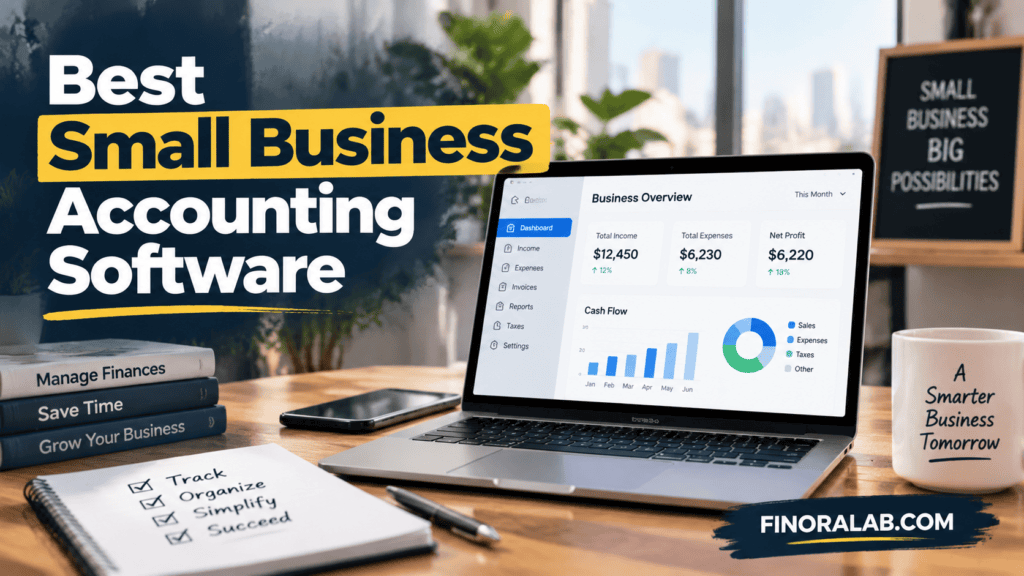
A good accounting system can save hours every month and help you make smarter decisions before problems pile up. The best small business accounting software is not always the one with the longest feature list. Its the one that fits your business size, bookkeeping habits, and budget.
A freelancer tracking a few invoices needs something different from a growing company with employees, inventory, and payroll.
What Is the Best Small Business Accounting Software?
For most small businesses, the best accounting software should make these tasks easier
A business owner spends 5 hours every month manually tracking expenses. If accounting software reduces that to 1 hour and their time is worth $50 per hour, saving 4 hours creates about $200 in monthly value.
The software does not need to be free to be affordable.
Features to Look for Before Choosing Accounting Software
Bank Account Integration
Automatic bank syncing reduces manual entry.
Instead of typing every transaction, the software imports activity and helps categorize expenses.
Invoicing Tools
If customers owe you money, invoicing features matter.
Look for
Custom invoices
Payment reminders
Online payment options
Invoice tracking
Late payments hurt cash flow. Good invoicing helps prevent that.
Expense Tracking
Small expenses add up.
Software should help organize
Business purchases
Subscription costs
Travel expenses
Equipment spending
Accurate records also make tax preparation easier.
Tax Reporting
Accounting software does not replace a tax professional, but organized records make filing much smoother.
Good software can help you track
Business income
Deductible expenses
Profit and loss reports
Payroll Support
If you have employees, payroll features become more important.
Some accounting programs offer payroll directly, while others connect with payroll providers.
Common Accounting Software Mistakes Small Business Owners Make
Choosing Too Many Features
More features do not always mean better results.
A complicated system that you never use is worse than a simple system you update every week.
Mixing Personal and Business Expenses
This creates problems during tax time.
Open a separate business bank account and keep records organized from day one.
Waiting Until Tax Season
Many owners only think about accounting once a year.
That usually creates unnecessary stress.
Reviewing your numbers monthly helps you spot problems early.
Ignoring Cash Flow
Profit does not always mean you have money available.
Example
A business sells $10,000 worth of services in March but customers do not pay until May.
The company may look profitable but still struggle to pay bills in April.
Accounting software can help track these timing issues.
Which Accounting Software Is Best for Your Business?
For freelancers
Choose
FreshBooks
Wave
Zoho Books
Focus on invoices, expenses, and simple reporting.
For growing companies
Choose
QuickBooks Online
Xero
Look for stronger reports, integrations, and accountant access.
For budget conscious startups
Choose
Wave
Entry level Zoho Books plans
Start simple and upgrade when your business actually needs more.
Accounting software helps organize information, but tax rules depend on your business structure, location, and expenses.
For example
A freelance designer who tracks $8,000 in eligible business expenses throughout the year has better records than someone trying to remember expenses from months ago.
Better records usually mean fewer headaches.
Conclusion
The best small business accounting software is the one you will actually use consistently.Start with your current needs, not the biggest feature list. A freelancer may only need invoicing and expense tracking, while a growing company may need payroll, reports, and automation.Pick a system, keep your records updated, and review your numbers regularly. Good bookkeeping is not just about taxes. It helps you understand where your business is heading.Educational disclaimer This article is for general educational purposes only and is not personalized financial, tax, or accounting advice. Software features, pricing, and tax rules can change, so verify details before making business decisions.
What is the easiest accounting software for a small business?
FreshBooks and Wave are often easier for beginners because they focus on simple bookkeeping tasks. Businesses with more complex needs may prefer QuickBooks or Xero.
Is QuickBooks worth it for a small business?
QuickBooks can be worth the cost for businesses that need detailed reports, integrations, or accountant support. Very small businesses may find simpler tools more practical.
Can I use free accounting software for my business?
Yes. Free options can work well for freelancers and early stage businesses. Growing companies may eventually need paid features.
Do I need accounting software if I am self employed?
Many self employed workers benefit from accounting software because it helps track income, expenses, invoices, and tax records.
What accounting software do most small businesses use?
QuickBooks is one of the most recognized options, but many businesses also use Xero, FreshBooks, Wave, and Zoho Books depending on their needs.
Is accounting software better than Excel?
For very small businesses, spreadsheets may work temporarily. Accounting software becomes more useful as transactions, invoices, and tax records become harder to manage manually.
Can accounting software replace an accountant?
No. Software helps organize financial information, but accountants provide professional guidance, tax planning, and financial advice.
I am a professional finance content writer with expertise in personal finance investing, banking, loans, insurance, credit cards, budgeting, and market related topics. I create clear, SEO optimized, and reader friendly finance content that helps audiences understand complex financial concepts in simple words. My goal is to write trustworthy and engaging content that improves search visibility, builds credibility, and supports business growth.
I am a professional finance content writer with expertise in personal finance investing, banking, loans, insurance, credit cards, budgeting, and market related topics. I create clear, SEO optimized, and reader friendly finance content that helps audiences understand complex financial concepts in simple words. My goal is to write trustworthy and engaging content that improves search visibility, builds credibility, and supports business growth.