Financial stress has quietly become one of the defining problems of modern life. Millions of people earn decent incomes work multiple jobs build online businesses or even generate creator economy revenue yet still struggle with debt budgeting and long-term financial stability. This growing gap between income and financial security explains why searches for “money management international” continue increasing across the United States.
For many people the search is not only about finding a company. It reflects something deeper. People are looking for financial clarity debt relief options budgeting guidance credit counseling and realistic strategies to rebuild their relationship with money. In a world dominated by social media wealth culture luxury lifestyle marketing and constant consumer pressure managing finances has become emotionally exhausting for many households.
Money Management International commonly known as MMI has become one of the most recognized nonprofit financial counseling organizations helping consumers navigate debt budgeting credit issues housing counseling and financial education. Unlike many aggressive debt settlement companies promising unrealistic results Money Management International focuses more heavily on financial literacy structured repayment strategies and long-term money habits.
This topic matters far beyond basic budgeting. Financial management now intersects with entrepreneurship digital income streams investing culture creator economy monetization fintech innovation and wealth psychology. People no longer earn money through only traditional salaries. Today’s economy includes YouTube revenue affiliate marketing sponsorships online stores digital products freelancing social media monetization cryptocurrency investing and side-hustle businesses.
Yet despite these growing opportunities poor financial management still destroys wealth faster than low income alone. Some influencers generate six-figure incomes while remaining trapped in debt cycles because spending habits outpace cash flow. Others with modest salaries quietly build long-term financial security through disciplined money management strategies.
This article explores Money Management International deeply while also examining broader themes surrounding debt counseling financial habits budgeting psychology credit management wealth building passive income strategies and the evolving relationship between money and modern lifestyles. Whether someone is drowning in credit card debt or simply trying to improve long-term financial health understanding organizations like Money Management International provides valuable insight into sustainable wealth creation.
Understanding What Money Management International Actually Does
Many people searching for Money Management International initially assume it is a debt settlement company. In reality Money Management International operates primarily as a nonprofit financial counseling and education organization focused on helping consumers regain control of their finances.
The organization provides several services including credit counseling debt management plans housing counseling student loan guidance bankruptcy counseling and financial education programs. Its primary goal is helping individuals understand their financial situation realistically rather than offering quick-fix promises.
One of the most common services involves debt management plans often called DMPs. These programs help consumers consolidate unsecured debt payments into structured monthly repayment plans. Instead of negotiating to reduce the actual balance aggressively like many debt settlement firms attempt debt management plans typically focus on lowering interest rates and creating manageable repayment schedules.
This distinction matters because debt settlement companies sometimes create additional credit damage while promising dramatic debt reductions. Debt management programs generally aim for stability and repayment discipline instead of short-term relief through settlement negotiations.
Money Management International also emphasizes financial education heavily. Many consumers enter debt cycles not because they lack intelligence but because they never learned budgeting systems cash flow planning credit management or emotional spending control. Financial literacy remains surprisingly weak even among high-income earners.
Modern economic culture makes this problem worse. Social media constantly encourages consumption through luxury branding influencer marketing and lifestyle comparisons. People feel pressure to maintain appearances even when financially unstable. This psychological environment explains why financial counseling has become increasingly valuable.
Another important aspect involves housing counseling services. Rising housing costs mortgage stress and inflation pressures have made homeownership more complicated for younger generations. Organizations like MMI help consumers understand mortgage options foreclosure prevention and long-term housing affordability.
Ultimately Money Management International positions itself less as a “debt escape company” and more as a financial stabilization resource. That approach appeals to consumers seeking sustainable financial recovery rather than temporary emotional relief.
Why Financial Counseling Has Become More Important in the Digital Economy
The rise of the digital economy has transformed how people earn money spend money and emotionally relate to wealth. Traditional financial advice built around stable careers and predictable income streams no longer applies perfectly to modern economic realities.
Today millions of people rely on freelance income online businesses influencer sponsorships affiliate marketing commissions YouTube revenue digital products and gig economy work. These income streams can generate significant wealth potential but they also create unstable cash flow patterns.
A creator earning twenty thousand dollars one month and four thousand the next often struggles with budgeting consistency. Entrepreneurs face irregular business cycles. Influencers experience unpredictable sponsorship revenue. Even high-income freelancers sometimes fall into debt because financial planning becomes emotionally reactive rather than strategic.
This is one reason organizations like Money Management International remain relevant in modern finance culture. Financial counseling today is not only for low-income households. Increasingly middle-class professionals entrepreneurs digital creators and side-hustle workers also seek structured financial guidance.
The psychological side of money management has become especially important. Social media creates constant exposure to luxury lifestyles celebrity spending habits designer fashion luxury travel expensive vehicles and status-based consumption. This environment encourages impulsive spending and emotional comparison.
Many influencers themselves struggle financially behind the scenes despite appearing wealthy online. Public perception often differs dramatically from actual net worth. Some creators maintain luxury branding through credit card debt inconsistent sponsorships or unstable income sources.
Financial counseling helps consumers separate emotional identity from spending behavior. Sustainable wealth rarely comes from appearing rich. Instead it develops through disciplined saving investing budgeting debt management and strategic asset building over time.
Another factor driving demand for financial counseling involves inflation and rising living costs. Housing healthcare education and transportation expenses have increased significantly across the United States. Even financially responsible households sometimes feel overwhelmed by economic pressure.
This broader financial stress explains why searches for money management international continue growing. Consumers increasingly want practical guidance from organizations focused on financial recovery rather than speculative investment hype alone.
The Relationship Between Debt Management and Long-Term Wealth Building
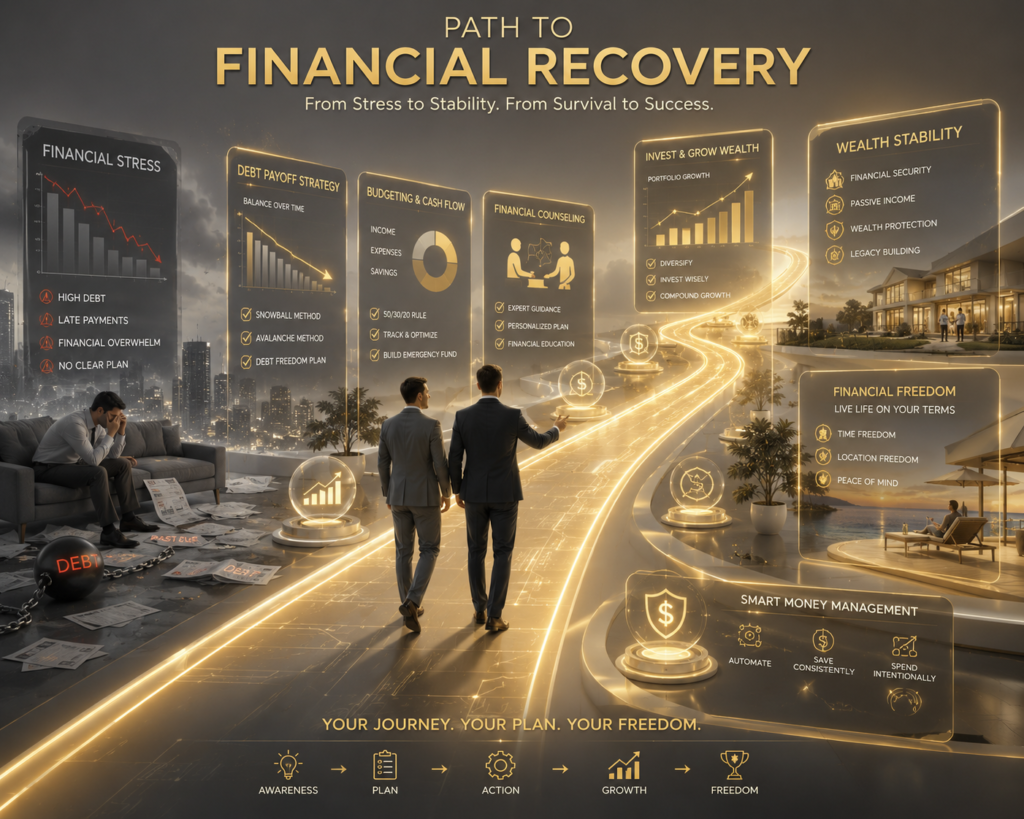
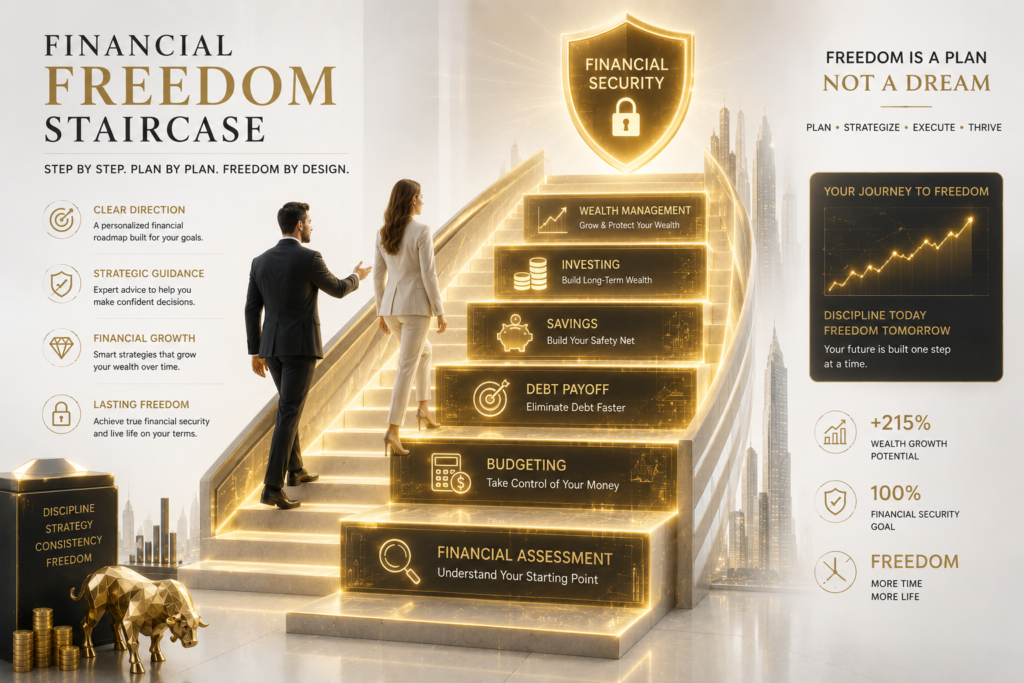
One of the biggest misconceptions in personal finance is the belief that wealth building starts with investing. In reality financial stability often begins with controlling debt and improving money management behavior.
High-interest debt quietly destroys long-term wealth potential. Credit card balances payday loans personal loan interest and impulsive financing arrangements drain future earning power continuously. A person earning a strong income may still remain financially trapped if debt obligations consume cash flow monthly.
This is why debt counseling organizations play a meaningful role within broader wealth-building conversations. Before building investment portfolios or pursuing passive income opportunities aggressively many households first need financial stabilization.
Debt management plans offered through organizations like Money Management International aim to simplify repayment structures and reduce financial chaos. Psychological clarity matters enormously in personal finance. When individuals feel overwhelmed by multiple bills emotional decision-making often worsens spending behavior.
Structured repayment systems create predictability which reduces financial anxiety. Once people regain control over cash flow they can begin focusing on longer-term financial goals such as emergency savings retirement investing entrepreneurship or real estate ownership.
Wealth psychology also plays an important role here. Many financially struggling consumers experience shame around debt. This emotional burden sometimes prevents them from seeking help early enough. However financial mistakes are extremely common especially in economies built around aggressive consumer marketing and easy credit access.
Even celebrities athletes and entrepreneurs frequently face financial problems despite massive incomes. History contains countless stories of wealthy entertainers losing fortunes through overspending poor financial management risky investments or unsustainable lifestyles.
The difference between temporary wealth and lasting financial security usually comes down to money management habits rather than income alone. Sustainable wealth requires cash flow discipline strategic investing controlled spending tax planning and long-term financial thinking.
Debt management therefore should not be viewed as financial failure. In many cases it represents the first step toward rebuilding financial independence and future wealth potential.
How Financial Psychology Influences Spending and Debt
Money management is deeply emotional. While spreadsheets and budgets matter financial behavior often depends more heavily on psychology than mathematics alone.
Consumers rarely overspend purely because they lack numerical understanding. Emotional triggers such as stress insecurity social pressure boredom status competition and instant gratification influence spending decisions constantly. This is especially true in the age of digital advertising and influencer-driven consumption culture.
Social media platforms encourage comparison at unprecedented levels. People scroll through luxury vacations expensive fashion celebrity lifestyles and entrepreneurship success stories daily. Even financially responsible individuals can begin feeling inadequate or “behind” economically.
This environment contributes heavily to debt accumulation. Consumers sometimes finance lifestyles they cannot realistically afford because appearance and identity become connected to spending behavior. Luxury branding influencer partnerships and aspirational marketing campaigns intentionally target emotional desires rather than rational financial planning.
Organizations like Money Management International indirectly address this issue by emphasizing behavioral financial education. Budgeting is not merely about restriction. Effective budgeting creates intentionality around spending decisions.
Another important psychological factor involves income inflation. When earnings increase many people automatically increase expenses at the same pace. Athletes creators influencers entrepreneurs and entertainers frequently experience this phenomenon. Despite rising incomes actual wealth remains limited because lifestyle expansion absorbs every financial gain.
Financial discipline becomes especially important for digital entrepreneurs and creator economy workers. Online income can fluctuate unpredictably making consistent saving and budgeting more difficult. Some months generate enormous earnings while others remain unstable.
Long-term wealth builders usually separate emotional satisfaction from material spending. They prioritize assets investments business ownership and cash flow systems over constant luxury consumption. This mindset shift often determines whether high earners maintain lasting wealth or eventually experience financial collapse.
The Rise of Financial Education as a Modern Industry
Financial education has evolved into one of the fastest-growing sectors within digital media and personal finance. Millions of consumers now actively search for budgeting advice investing education passive income ideas and credit management strategies online.
This trend partly explains the growing relevance of organizations like Money Management International. Consumers increasingly recognize that financial literacy directly impacts quality of life mental health career flexibility and long-term independence.
The creator economy accelerated this transformation significantly. YouTube channels focused on personal finance attract millions of subscribers. TikTok finance creators simplify investing concepts for younger audiences. Podcasts discussing entrepreneurship wealth psychology and financial freedom dominate business rankings.
However not all financial content online is trustworthy. Some influencers promote unrealistic wealth expectations risky investment schemes or aggressive luxury lifestyles disconnected from sustainable financial planning. This creates demand for more credible educational organizations.
Money Management International benefits from its nonprofit structure and educational positioning because consumers often trust counseling-focused organizations more than aggressive debt marketing firms.
Another major trend involves fintech innovation. Budgeting apps automated investing platforms digital banks and AI-powered financial tools now shape how consumers interact with money daily. Technology has made financial information more accessible than ever before.
Yet access alone does not guarantee financial success. Many people consume financial content constantly while still struggling with debt and poor spending habits. Knowledge must eventually translate into consistent behavior.
This gap between information and execution explains why counseling services remain valuable. Personalized financial guidance often helps consumers apply financial principles more effectively than passive content consumption alone.
The broader financial education industry will likely continue expanding because modern economies increasingly require individuals to manage complex financial decisions independently. Retirement planning investing taxes digital business income healthcare costs and credit management all place greater responsibility on consumers than previous generations experienced.
How Entrepreneurs and Creators Can Avoid Financial Mismanagement
Entrepreneurs and creators often focus intensely on increasing income while neglecting financial structure. This imbalance creates serious long-term risks even for high earners.
Digital businesses influencer brands affiliate marketing operations online coaching businesses and content monetization strategies can generate impressive revenue quickly. However inconsistent cash flow combined with rapid lifestyle inflation frequently creates hidden financial instability.
Many creators assume rising income automatically equals wealth. In reality business revenue and personal wealth are very different concepts. A creator generating large sponsorship deals may still carry significant debt lack emergency savings or fail to invest strategically.
This problem becomes even more dangerous because creator economy income often fluctuates unpredictably. Algorithm changes sponsorship declines audience shifts or platform policy updates can reduce revenue suddenly.
Financial counseling principles promoted by organizations like Money Management International remain highly relevant for entrepreneurs because budgeting and cash flow management matter regardless of income level.
Successful entrepreneurs usually prioritize several financial habits consistently. They separate business and personal finances clearly. They maintain emergency reserves. They avoid excessive lifestyle inflation during growth periods. They diversify income streams. Most importantly they understand taxes and long-term investing.
Taxes especially create problems for creators and freelancers. Unlike traditional employees with automatic withholding systems self-employed workers often underestimate tax obligations. Unexpected tax debt becomes a major financial stress source for many digital entrepreneurs.
Long-term wealth creation also requires asset building beyond active income. Many financially intelligent creators eventually invest profits into businesses real estate index funds digital products or scalable systems generating passive income.
The goal is financial independence rather than constant income chasing. Sustainable wealth allows entrepreneurs flexibility and security even during unstable market conditions.
How Debt Counseling Compares With Other Financial Recovery Options
Consumers facing financial pressure often feel overwhelmed by the number of available debt solutions. Bankruptcy debt settlement consolidation loans refinancing and debt management plans all carry different consequences and benefits.
Debt counseling organizations such as Money Management International generally focus on education and structured repayment rather than aggressive settlement negotiations.
Debt settlement companies often advertise dramatic reductions in total debt balances. While settlements can sometimes help consumers in severe hardship situations they may also damage credit significantly and involve tax implications for forgiven debt amounts.
Bankruptcy offers legal protection and financial reset opportunities but carries long-term credit consequences and emotional stress for many individuals. Consolidation loans may simplify payments but sometimes extend repayment timelines excessively.
Debt management plans aim for a middle-ground approach focused on repayment discipline reduced interest rates and improved budgeting behavior. These programs often appeal to consumers who still have steady income but need organizational support.
The best financial recovery strategy depends heavily on individual circumstances including income stability debt size credit profile and long-term goals. This is why financial counseling remains important. Generic internet advice rarely addresses personal financial complexity accurately.
Another important factor involves emotional relief. Financial stress affects relationships productivity mental health and physical well-being. Structured financial recovery plans often reduce anxiety simply by creating clarity and direction.
Consumers should always research organizations carefully before enrolling in any debt-related program. Transparency nonprofit credibility fee structures accreditation and educational support all matter significantly when evaluating financial counseling services.
The Future of Money Management in an AI and Digital Finance World
The future of personal finance will likely combine technology automation behavioral psychology and financial education more deeply than ever before.
Artificial intelligence already influences budgeting apps investing platforms fraud detection systems and credit analysis tools. Consumers increasingly use automated financial systems to track spending manage investments and optimize savings behavior.
However technology alone cannot solve emotional financial problems completely. Human behavior still drives most spending decisions. People continue struggling with impulse buying status pressure lifestyle inflation and inconsistent financial discipline despite having advanced financial tools available.
Organizations like Money Management International may therefore remain highly relevant because personalized financial guidance addresses behavioral patterns technology cannot fully replace.
The creator economy will also continue shaping money management trends. More people are building income streams through digital products social media monetization online communities and remote entrepreneurship. This creates greater financial flexibility but also more income instability.
Future financial education will likely focus increasingly on diversified income systems digital entrepreneurship tax strategy investing literacy and emotional financial management. Younger generations already prioritize financial independence and flexible income structures more than traditional career paths alone.
Another major trend involves transparency around money conversations. Previous generations often avoided discussing debt budgeting and financial stress publicly. Today creators openly discuss financial mistakes investing journeys and money management lessons online.
This cultural shift may ultimately improve financial literacy significantly. Consumers are becoming more willing to seek help learn budgeting systems and prioritize long-term financial wellness rather than maintaining unrealistic appearances.
Money management itself is evolving from a narrow budgeting concept into a broader lifestyle strategy connected to freedom entrepreneurship mental health and personal stability.
Conclusion
Money Management International represents more than a nonprofit financial counseling organization. It reflects a broader shift toward financial awareness behavioral money management and long-term financial stability in modern economic life.
In an era shaped by creator economy income social media consumption culture digital entrepreneurship and rising living costs financial literacy has become more important than ever before. High income alone no longer guarantees wealth or security. Sustainable financial success depends heavily on budgeting discipline debt management emotional spending control and strategic asset building.
Organizations like Money Management International help consumers regain clarity and structure during financially stressful periods. Their focus on education counseling and debt management highlights an important truth many people overlook: financial recovery begins with behavior change as much as income growth.
The modern financial world creates extraordinary opportunities through digital business models investing platforms affiliate marketing creator monetization and entrepreneurship. Yet these opportunities also increase complexity and financial pressure for many households.
Long-term wealth builders understand that financial management is not about appearing rich online. It is about building sustainable systems that support freedom security flexibility and future growth. Whether someone is managing debt starting a business investing for retirement or creating multiple income streams disciplined money management remains the foundation of lasting financial success.
FAQs
What is Money Management International?
Money Management International is a nonprofit organization providing credit counseling debt management plans housing counseling student loan guidance and financial education services.
Is Money Management International legitimate?
Yes Money Management International is widely recognized as a legitimate nonprofit financial counseling organization focused on helping consumers manage debt and improve financial literacy.
How do debt management plans work?
Debt management plans combine unsecured debt payments into one structured monthly payment while often reducing interest rates through agreements with creditors.
Can financial counseling improve credit scores?
Financial counseling may help improve credit over time by encouraging consistent payments reducing debt balances and improving budgeting behavior.
Is debt counseling better than debt settlement?
It depends on individual financial circumstances. Debt counseling focuses more on repayment structure and financial education while debt settlement usually attempts to negotiate lower balances.
Why do high-income people still struggle financially?
High income does not automatically create wealth. Overspending lifestyle inflation poor investing habits debt accumulation and inconsistent budgeting can create financial problems even for strong earners.
How can creators and entrepreneurs manage money better?
Creators and entrepreneurs should separate business finances build emergency savings plan for taxes diversify income streams and invest profits into long-term assets rather than expanding lifestyle expenses too quickly.
I am a professional finance content writer with expertise in personal finance investing, banking, loans, insurance, credit cards, budgeting, and market related topics. I create clear, SEO optimized, and reader friendly finance content that helps audiences understand complex financial concepts in simple words. My goal is to write trustworthy and engaging content that improves search visibility, builds credibility, and supports business growth.