What Is Afterpay? How It Works, Fees, Risks, and Smart Ways to Use It
Shanzay Arain·Jul 25, 2026
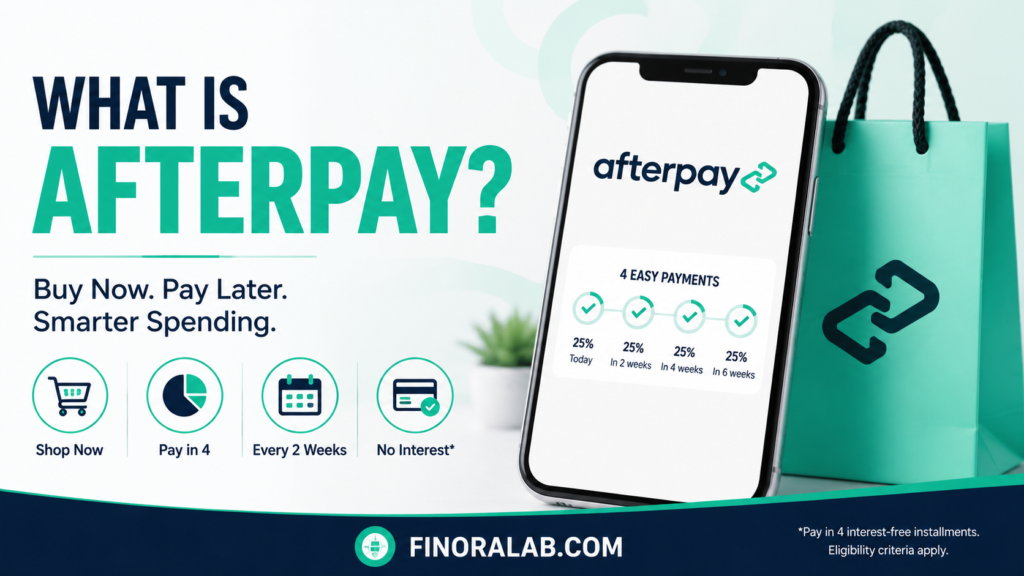
What is Afterpay is a common question among consumers looking for flexible ways to pay for purchases without using traditional credit cards. Afterpay is a Buy Now, Pay Later (BNPL) service that allows shoppers to split eligible purchases into smaller payments over time. Instead of paying the full amount immediately, customers can make an initial payment at checkout and pay the remaining balance through scheduled installments.
The popularity of Buy Now, Pay Later services has grown as consumers search for convenient payment options while managing everyday expenses. Afterpay is widely used for online shopping, retail purchases, fashion, electronics, travel related purchases, and other consumer goods. However, while installment payments may appear simple, understanding how the service works, its fees, credit implications, and potential risks is important for responsible financial decision making.
Afterpay can be useful when used carefully as part of a broader personal finance strategy. Like any payment method, it has advantages and disadvantages. Consumers should consider their monthly budget, existing debt obligations, emergency savings, and spending habits before choosing installment financing.
What Is Afterpay and How Does It Work?
Afterpay is a Buy Now, Pay Later payment platform that allows consumers to purchase products and divide the total cost into multiple scheduled payments. Instead of paying the entire purchase price upfront, customers typically pay a portion at checkout and complete the remaining payments over a short period. The service is designed to make purchases more manageable by spreading payments across several weeks.
The process usually begins when a customer selects Afterpay as a payment option at checkout with a participating merchant. Afterpay reviews the customers information and determines whether the transaction can be approved. If approved, Afterpay pays the merchant while the customer repays Afterpay according to the agreed payment schedule.
For example, if a shopper buys a $200 item using Afterpays standard installment structure, the purchase may be divided into four payments of $50 each. The customer pays the first installment immediately, while the remaining payments are automatically charged according to the schedule. This approach can help with short term cash flow management but requires careful budgeting.
How Does Afterpay Make Money?
Afterpay generates revenue primarily through merchant fees and consumer related charges. Retailers pay Afterpay fees for offering the service because installment payment options can encourage customers to complete purchases and potentially spend more. The service also earns revenue from certain fees associated with missed payments or other account activities.
Unlike traditional credit cards, many Afterpay transactions do not involve traditional interest charges when customers make payments on time. This feature makes BNPL services attractive to consumers who want predictable repayment amounts. However, avoiding interest does not mean the service is completely risk free.
Consumers should understand that payment obligations still exist. Missing payments can result in late fees, account restrictions, or other consequences depending on the current policies. A payment plan that seems affordable at checkout may become difficult if a consumer has multiple installment purchases happening simultaneously.
Is Afterpay a Credit Card?
Afterpay is not the same as a traditional credit card, although both allow consumers to buy products without paying the full amount immediately. A credit card provides a revolving line of credit that can be used repeatedly, while Afterpay generally creates a specific installment agreement for individual purchases.
Credit cards often charge interest when balances are not paid in full, while Afterpays standard installment plans typically focus on fixed payments. However, consumers should not assume that BNPL services are completely separate from credit management. Using multiple installment plans can affect monthly cash flow and make budgeting more difficult.
From a personal finance perspective, the important difference is how consumers manage the obligation. Whether someone uses a credit card, personal loan, or Buy Now, Pay Later service, spending more than they can afford may create financial stress. Responsible borrowing requires understanding repayment responsibilities.
How Afterpay Payments Work
Afterpay payments are structured around scheduled installments. When a purchase is approved, the customer agrees to a repayment schedule that outlines payment amounts and due dates. Payments are typically processed automatically using a linked debit card, credit card, or another approved payment method.
Automatic payments can be convenient because they reduce the chance of forgetting due dates. However, consumers should ensure that sufficient funds are available in their account before each payment date. Failed payments can create additional financial pressure and may lead to restrictions on future Afterpay usage.
A smart budgeting approach is to treat Afterpay payments like any other financial obligation. Before making a purchase, consumers should calculate whether the upcoming installments fit comfortably within their monthly budget. For example, someone with rent, utilities, loan payments, and credit card bills should consider whether additional installment payments could reduce their ability to cover essential expenses.
Benefits of Using Afterpay
One of the main benefits of Afterpay is payment flexibility. Consumers can spread the cost of a purchase over multiple payments rather than using a large amount of money immediately. This can help with short term budgeting, especially for planned purchases where the consumer already has income available to cover future installments.
Another advantage is convenience. Afterpay is integrated with many online and retail merchants, making the checkout process simple. Consumers may appreciate knowing the exact payment amounts before completing a purchase, which can make financial planning easier compared with variable interest borrowing options.
Afterpay can also provide access to purchases without requiring a traditional credit card. For consumers who prefer not to use credit cards or who are building financial awareness, installment payments may appear easier to manage. However, convenience should always be balanced with responsible spending habits.
Risks and Disadvantages of Afterpay
Although Afterpay can be convenient, it also creates risks when used without proper budgeting. One of the biggest concerns with BNPL services is that consumers may make purchases they would not normally afford. Because payments are divided into smaller amounts, the total cost may feel less significant at checkout.
Multiple Afterpay purchases can quickly accumulate. For example, a consumer may have several installment plans running at the same time for clothing, electronics, subscriptions, and household items. Each individual payment may seem manageable, but together they can create a significant monthly obligation.
Another risk is missed payments. Consumers who fail to plan for upcoming installments may experience late fees or account limitations. More importantly, repeated reliance on installment financing can become a sign that spending habits need adjustment. Good financial planning requires balancing purchases with savings goals, debt management, and emergency funds.
How Afterpay Affects Your Credit Score
Credit reporting practices for BNPL services have changed over time, and the impact on credit scores depends on specific circumstances, reporting policies, and applicable credit bureau practices. Unlike many traditional loans and credit cards, some Afterpay transactions may not affect credit reports in the same way.
However, consumers should not assume that BNPL activity has no financial impact. Payment behavior, account management, and overall debt obligations can influence financial decisions made by lenders. Some lenders may consider a consumers existing payment commitments when evaluating applications for credit.
Maintaining a healthy credit profile requires more than focusing on one payment service. Consumers should prioritize paying bills on time, keeping credit card balances low, monitoring credit reports, and avoiding unnecessary debt. Afterpay should be viewed as a payment tool rather than a replacement for responsible financial planning.
Afterpay Fees and Late Payment Policies
One of the most important factors consumers should understand about Afterpay is how fees work. Afterpays standard installment plans are generally designed to avoid interest charges when payments are made on time. This makes the service different from many credit cards and personal loans that may charge ongoing interest on unpaid balances. However, consumers can still face consequences if they miss scheduled payments or fail to manage their account properly.
Late payments can result in fees and may affect a customers ability to use Afterpay in the future. The exact fee structure and policies can vary depending on location, account type, and current company rules. Consumers should always review the payment agreement before completing a purchase. Understanding due dates, payment methods, and potential charges helps prevent unexpected financial problems.
From a personal finance perspective, avoiding fees is only one part of responsible Afterpay use. Consumers should also consider whether the purchase fits within their overall budget. A payment plan may appear affordable because the cost is divided into smaller amounts, but the total purchase price remains the same. Budgeting for the complete expense is essential.
Afterpay vs Credit Cards Which Is Better?
Afterpay and credit cards both allow consumers to buy items without paying the full amount immediately, but they work differently. Credit cards provide a revolving credit limit that can be reused after payments are made. Afterpay generally focuses on short term installment payments connected to individual purchases. The better option depends on a consumers financial goals, spending habits, and ability to manage repayment.
Credit cards may offer benefits such as rewards programs, purchase protections, travel points, and opportunities to build credit history when used responsibly. However, carrying unpaid credit card balances can result in high interest costs. Afterpay may appear simpler because payments are fixed, but it may not provide the same long term credit building advantages as traditional credit products.
The right choice depends on the situation. Someone who needs a short term payment solution and already has enough income to cover installments may find Afterpay useful. Someone focused on building credit history or managing larger financial goals may benefit from understanding how traditional credit products work. In both cases, responsible spending matters more than the payment method itself.
Afterpay vs Klarna and Affirm
Afterpay is part of the broader Buy Now, Pay Later industry, which includes other popular services such as Klarna and Affirm. These platforms share a similar goal allowing consumers to divide purchases into smaller payments. However, they differ in payment structures, merchant partnerships, financing options, and credit reporting approaches.
Klarna offers multiple payment options, including short term installments and longer financing plans in some markets. Affirm often provides longer repayment periods and may charge interest depending on the financing option selected. Afterpay is commonly recognized for its simple installment model, where purchases are divided into scheduled payments.
Consumers comparing BNPL services should look beyond marketing claims and evaluate the complete financial impact. Important factors include payment terms, fees, credit reporting, merchant availability, and whether the service encourages unnecessary spending. The cheapest or easiest option is not always the best option if it creates financial stress.
How Afterpay Fits Into Personal Budgeting
A successful budget requires understanding both income and expenses. When using Afterpay, consumers should include upcoming installment payments in their monthly spending plan. Treating these payments as separate from regular expenses can create an inaccurate picture of available money.
For example, a person earning $3,500 per month may already have expenses for housing, transportation, insurance, food, savings, and existing debt payments. Adding several Afterpay purchases without adjusting the budget could reduce the amount available for emergencies or financial goals. A small installment payment can become difficult when combined with multiple obligations.
A practical approach is to create a buy now, pay later category within the budget. This allows consumers to decide in advance how much they can safely spend on installment purchases. The goal should be maintaining financial flexibility rather than using payment plans to cover purchases that are outside the budget.
Who Should Consider Using Afterpay?
Afterpay may be suitable for consumers who have stable income, understand their spending habits, and can comfortably manage scheduled payments. For example, someone who plans a purchase, has enough savings or upcoming income, and wants to divide payments for convenience may find the service helpful.
Consumers who carefully track expenses and maintain good financial habits are generally better positioned to use installment payment services. They understand that Afterpay is not additional income or free money. It is simply a different way of managing the timing of payments.
The service may also be useful for planned purchases where spreading payments improves short term cash flow. For example, replacing an essential household item may be easier when the cost is divided over several pay periods. However, consumers should still evaluate whether the purchase is necessary and affordable.
Who Should Avoid Using Afterpay?
Afterpay may not be the right choice for consumers who already struggle with debt, regularly miss payments, or rely on borrowing to cover everyday expenses. Using installment services when a budget is already under pressure can increase financial stress and make it harder to achieve important goals.
Consumers who frequently use multiple BNPL services should also be cautious. Having accounts with Afterpay, Klarna, Affirm, credit cards, and personal loans at the same time can make tracking payments difficult. Missed payments often happen not because one purchase was unaffordable, but because several small obligations combined into a larger financial burden.
People working toward financial recovery may benefit from focusing on budgeting, emergency savings, and debt reduction before adding new payment commitments. Building strong money habits creates more financial security than relying on short term payment flexibility.
Afterpay and Responsible Debt Management
Debt management involves understanding all financial obligations and creating a realistic plan to handle them. While Afterpay is not always considered traditional debt in the same way as a loan or credit card balance, it still represents a commitment to make future payments.
Consumers should evaluate their total monthly obligations before taking on new installment plans. This includes mortgage or rent payments, car loans, student loans, credit cards, insurance costs, and everyday living expenses. A healthy financial plan leaves room for unexpected expenses and long term goals.
Responsible debt management also involves avoiding emotional spending. Marketing strategies often encourage consumers to purchase items because payments appear smaller. However, financial decisions should be based on actual affordability rather than the size of the first payment.
Afterpay and Financial Planning Goals
Financial planning involves balancing current spending with future objectives. These objectives may include building emergency savings, investing, buying a home, paying off debt, or preparing for retirement. Payment services like Afterpay should fit into this larger financial picture rather than replace important savings strategies.
For example, someone saving for a house down payment may need to evaluate whether frequent BNPL purchases slow progress toward that goal. Similarly, someone preparing for retirement should consider whether short term spending decisions reduce their ability to contribute to retirement accounts such as a 401(k) or IRA.
Good financial planning does not require avoiding every convenience. Instead, it requires making choices that support long term stability. Afterpay can be part of a financial strategy when used intentionally and within clear limits.
Common Mistakes Consumers Make With Afterpay
One common mistake is viewing installment payments as a discount rather than a payment obligation. A $400 purchase split into four payments is still a $400 expense. The smaller payments may make spending feel easier, but they do not reduce the total cost.
Another mistake is using Afterpay for unnecessary purchases simply because approval is available. Easy access to payment options can encourage impulse buying. Consumers should wait, compare prices, and determine whether the purchase supports their financial priorities.
A third mistake is failing to track multiple payment schedules. Consumers may forget upcoming charges when they have several installment plans active. Using budgeting apps, calendars, or banking alerts can help prevent missed payments and maintain better financial control.
Conclusion
What is Afterpay is an important question for anyone considering Buy Now, Pay Later services as a payment option. Afterpay provides consumers with a convenient way to divide purchases into smaller payments, making it easier to manage short term cash flow. However, it should be used carefully because every installment purchase creates a future financial obligation.The biggest advantage of Afterpay is flexibility, but the biggest risk is overspending. Consumers who understand their budgets, track payments, and avoid unnecessary purchases can use the service responsibly. Those already dealing with debt or financial uncertainty should consider whether additional payment commitments support or harm their financial goals.Like any financial tool, Afterpay is not automatically good or bad. Its value depends on how it is used. Responsible consumers should evaluate affordability, understand payment terms, consider alternatives, and prioritize long term financial health. Smart budgeting, emergency savings, and disciplined spending remain the foundation of strong personal finance.
Afterpay is used to split eligible purchases into smaller installment payments instead of paying the full amount immediately. Consumers can use it at participating retailers for products such as clothing, electronics, household items, and other goods. It is designed as a Buy Now, Pay Later payment option.
Is Afterpay a loan?
Afterpay is a Buy Now, Pay Later service that allows consumers to repay purchases through scheduled installments. While it functions similarly to short term financing, it is different from traditional loans because payment structures, fees, and credit reporting practices may vary.
Does Afterpay affect your credit score?
Afterpays effect on credit scores depends on current reporting practices and individual circumstances. Some BNPL activity may not appear the same way as traditional credit accounts. However, consumers should still manage payments responsibly because financial commitments can affect overall borrowing ability.
Is Afterpay safe to use?
Afterpay can be safe when used responsibly. Consumers should protect account information, understand payment terms, monitor spending, and ensure they can afford scheduled payments. Like any financial service, risks increase when users spend beyond their budget.
Can you use Afterpay with bad credit?
Afterpay approval decisions depend on various factors, and requirements may differ. Some consumers may qualify even without strong traditional credit histories. However, approval does not mean a purchase is affordable, so consumers should focus on their budget before using the service.
Does Afterpay charge interest?
Many Afterpay installment plans are designed without interest charges when payments are made on time. However, consumers may face fees or other consequences if payments are missed. Users should review the terms before completing a purchase.
Is Afterpay better than a credit card?
Afterpay and credit cards serve different purposes. Afterpay may provide simple short term installment payments, while credit cards can offer rewards and credit building opportunities. The better option depends on spending habits, financial goals, and repayment ability.
Can Afterpay help build credit?
Afterpay is not primarily designed as a credit building tool. Consumers interested in improving credit history may need to focus on traditional credit products, timely payments, low credit utilization, and responsible borrowing habits.
What happens if I miss an Afterpay payment?
Missing an Afterpay payment may result in fees, account restrictions, or other consequences depending on current policies. Consumers should contact Afterpay if they experience financial difficulty and avoid taking on additional payment obligations they cannot manage.
Should I use Afterpay for everyday purchases?
Using Afterpay for everyday purchases requires caution. Consumers should avoid depending on installment services for regular expenses they cannot afford. A strong budget should cover essential costs, savings, and financial goals before adding optional purchases.
I am a professional finance content writer with expertise in personal finance investing, banking, loans, insurance, credit cards, budgeting, and market related topics. I create clear, SEO optimized, and reader friendly finance content that helps audiences understand complex financial concepts in simple words. My goal is to write trustworthy and engaging content that improves search visibility, builds credibility, and supports business growth.
I am a professional finance content writer with expertise in personal finance investing, banking, loans, insurance, credit cards, budgeting, and market related topics. I create clear, SEO optimized, and reader friendly finance content that helps audiences understand complex financial concepts in simple words. My goal is to write trustworthy and engaging content that improves search visibility, builds credibility, and supports business growth.