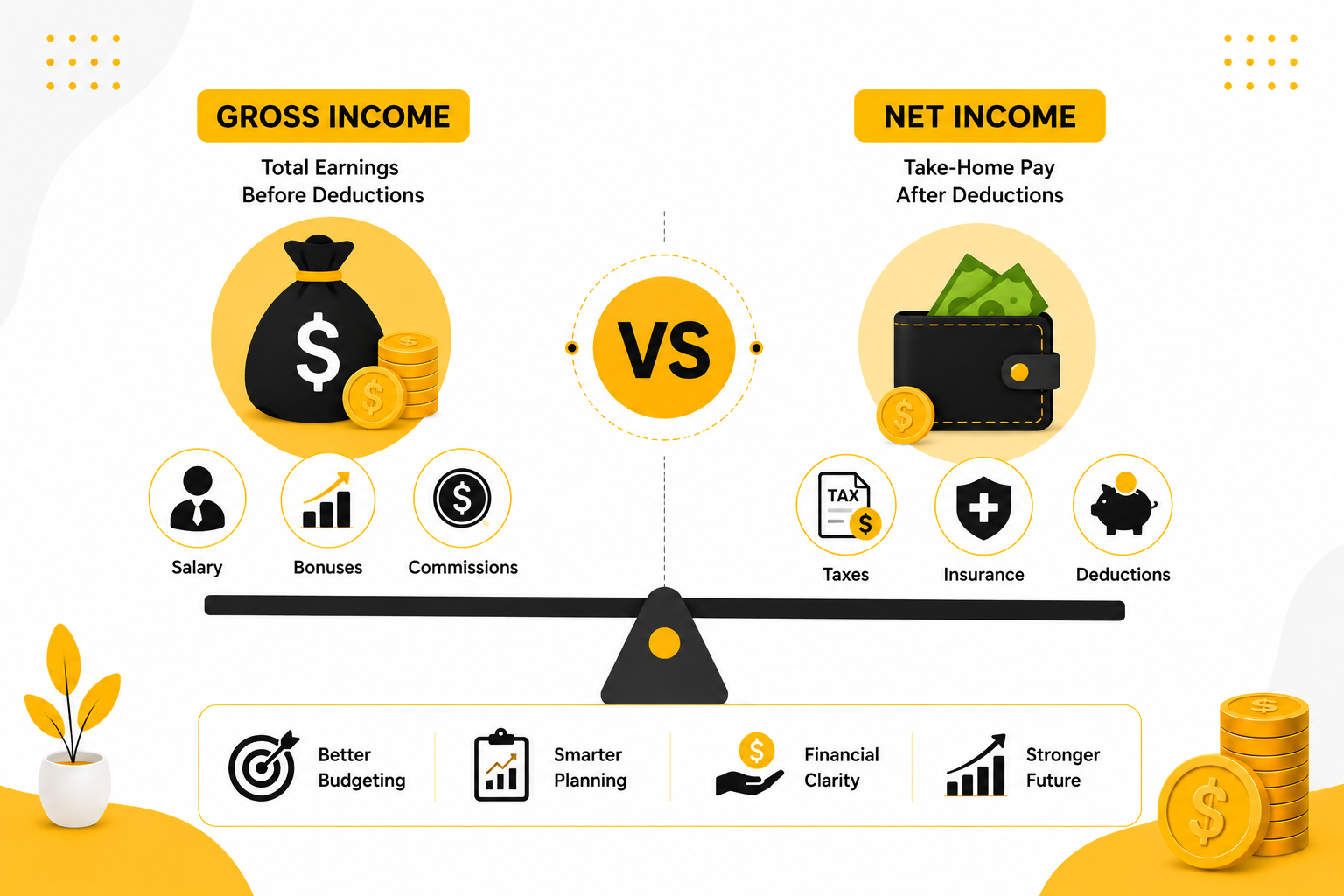

Washington state income tax is a topic that attracts significant attention from residents, workers, retirees, and businesses because Washington has a unique tax structure compared with most states in the United States. Unlike many states, Washington does not impose a traditional tax on wages, salaries, or ordinary personal income. This means employees often receive paychecks without a state income tax deduction, which can create important differences in budgeting, financial planning, and cost of living decisions.
However, saying Washington has no income tax does not mean residents pay no state taxes. Washington relies heavily on other forms of taxation, including sales taxes, property taxes, business taxes, and specific taxes on certain types of income. Understanding this system is important for anyone considering moving to Washington, managing investments, planning retirement, or evaluating overall financial obligations.
A complete understanding of Washington state income tax requires looking beyond a simple yes or no question. Residents need to understand capital gains taxation, retirement considerations, tax planning strategies, and how Washingtons tax structure compares with other states. Making informed financial decisions requires analyzing the full picture of income, expenses, savings, and long term goals.
Does Washington State Have an Income Tax?
Washington state does not have a traditional personal income tax on wages and salaries. Employees who earn income from jobs, self employment activities, or regular compensation generally do not pay a state income tax on those earnings. This feature makes Washington different from states that impose progressive income tax systems based on earnings levels.
The absence of a traditional income tax can be attractive for workers because it may increase take home pay compared with living in a state where wages are taxed. For example, someone earning a $100,000 annual salary in Washington generally does not lose a portion of that salary to state income tax. However, residents still pay other taxes that affect their overall financial situation.
Washingtons tax system places more reliance on consumption based taxes, including one of the highest sales tax environments in the country. Therefore, individuals should consider their complete tax burden rather than focusing only on income taxes when evaluating affordability.
Understanding Washington States Tax Structure
Washingtons tax system operates differently from many states because it does not collect a broad personal income tax. Instead, the state generates revenue through sources such as sales tax, property tax, business and occupation tax, fuel taxes, and other specialized taxes. These revenue sources help fund public services, infrastructure, education, and government operations.
The sales tax system means consumers pay taxes when purchasing goods and many services. This can affect household budgeting because people who spend more may pay more in sales taxes. For families with higher consumption levels, the absence of income tax may not fully offset other tax expenses.
Property taxes are another important consideration, especially for homeowners. Property tax obligations vary based on location, assessed property value, and local tax rates. Anyone planning to purchase a home in Washington should include property taxes, insurance costs, maintenance expenses, and mortgage payments when evaluating affordability.
Washington State Income Tax and Capital Gains Tax
Although Washington does not tax ordinary earned income, it does impose a capital gains tax on certain long term capital gains. This tax generally applies to specific profits from the sale or exchange of qualifying assets, such as certain investments. It does not apply to wages, salaries, retirement income, or many other common forms of income.
Capital gains taxes are important for investors, business owners, and individuals with significant investment portfolios. For example, someone who sells qualifying investments at a large profit may need to consider Washingtons capital gains tax obligations when planning transactions.
Tax planning becomes especially important for individuals with substantial investment assets. Strategies such as timing asset sales, understanding exemptions, and consulting qualified tax professionals can help taxpayers make informed decisions while remaining compliant with current tax laws.
How Washingtons Tax System Affects Workers
For employees, the lack of a traditional Washington state income tax can create a noticeable difference in paycheck calculations. Workers may see higher take home pay compared with similar salaries in states that deduct income taxes from wages. This can influence decisions about employment opportunities and relocation.
However, workers should remember that take home pay is only one part of financial planning. Housing costs, transportation expenses, healthcare costs, childcare, and everyday spending patterns also influence financial well being. A higher paycheck does not automatically mean a lower cost of living.
Employees should evaluate their complete financial picture when considering Washington as a place to live or work. Budgeting, retirement contributions, emergency savings, and investment strategies remain important regardless of state income tax policies.
Washington State Income Tax Considerations for Retirees
Retirees often evaluate state tax policies when deciding where to live after leaving the workforce. Washington can be attractive because it does not tax traditional retirement income such as Social Security benefits, pensions, or withdrawals from many retirement accounts under a traditional income tax system.
However, retirees should consider other taxes and expenses. Sales taxes, property taxes, healthcare costs, housing expenses, and investment related taxes can influence retirement affordability. A state without income tax is not automatically the cheapest retirement destination.
Retirement planning requires evaluating income sources, spending needs, investment withdrawals, and lifestyle goals. Retirees should consider how Washingtons overall tax environment interacts with their personal financial situation rather than focusing on one specific tax category.
Washington State Income Tax and Small Business Owners
Business owners face different tax considerations in Washington because the state uses a Business and Occupation (B&O) tax system. Unlike a traditional corporate income tax based on profits, the B&O tax is generally based on gross business revenue. This means businesses may owe taxes even when profit margins are low.
Entrepreneurs, freelancers, and independent contractors should understand how Washingtons business taxes affect operations. Business planning should include estimated tax obligations, accounting costs, operating expenses, and cash flow management.

Small business owners can benefit from maintaining accurate financial records and working with qualified professionals who understand Washington tax rules. Proper planning can help prevent unexpected liabilities and support better long term business decisions.
Comparing Washington State Taxes With Other States
Washington is often compared with states that have traditional income taxes because tax structures can significantly affect personal finances. Residents from states such as California, Oregon, or New York may notice differences in paycheck deductions and overall tax planning requirements.
However, comparing states requires looking at total financial obligations. A state with no income tax may have higher sales taxes, property costs, insurance expenses, or housing prices. Another state with an income tax may provide different benefits or lower costs in other areas.
Individuals considering relocation should analyze income, expenses, taxes, employment opportunities, and lifestyle factors. A complete comparison provides a more accurate picture than focusing on a single tax category.
Financial Planning Strategies for Washington Residents
Because Washington does not tax ordinary income, residents may have additional opportunities to focus on savings, investing, and long term financial planning. Effective budgeting can help individuals allocate more money toward retirement accounts, emergency funds, debt reduction, and wealth building strategies.
Residents should still plan for other tax obligations. Sales tax, property tax, investment taxes, and business taxes can influence financial decisions. Understanding these expenses allows households to create more accurate budgets and avoid unexpected financial pressure.
A strong financial plan combines tax awareness with responsible money management. Building savings, controlling debt, investing consistently, and maintaining proper insurance coverage are essential regardless of state tax structure.
Common Mistakes About Washington State Income Tax
One common misunderstanding is believing that Washington residents pay no taxes at all. While there is no traditional personal income tax, residents contribute through other tax systems. Ignoring these expenses can lead to inaccurate budgeting and financial planning.
Another mistake is failing to consider capital gains tax rules. Investors who sell qualifying assets may have tax obligations even though regular income is not taxed. Understanding investment related tax responsibilities is important for long term wealth management.
Some individuals also make relocation decisions based only on tax advantages. Moving to a state without income tax may seem beneficial, but housing costs, employment opportunities, and lifestyle expenses must also be considered.
How to Prepare for Washington Tax Responsibilities
Preparing for Washington tax responsibilities starts with understanding personal income sources and expenses. Employees should evaluate paycheck deductions, savings goals, and spending habits. Investors should track taxable transactions and maintain accurate investment records.
Homeowners should include property taxes and related costs in their financial planning. Renters should consider sales taxes and living expenses when building monthly budgets. Business owners should plan for B&O tax obligations and other business related costs.
Tax planning is an ongoing process rather than a once a year activity. Reviewing financial decisions throughout the year allows individuals and families to make adjustments before tax deadlines and improve overall financial efficiency.
Conclusion
Washington state income tax is unique because the state does not impose a traditional tax on wages, salaries, or ordinary personal income. This structure can provide financial advantages for some residents, particularly workers and retirees, but it does not eliminate the need for careful tax planning.Understanding Washingtons complete tax system requires looking at sales taxes, property taxes, capital gains taxes, and business taxes. Individuals should evaluate their total financial situation rather than focusing only on whether a state has an income tax.For residents, investors, retirees, and business owners, smart financial planning remains essential. By understanding tax rules, managing expenses, and making informed decisions, Washington residents can better protect their financial future.
You may also read more blogs
FAQs
Does Washington state have an income tax?
Washington does not have a traditional personal income tax on wages, salaries, or ordinary earned income. However, the state collects revenue through other taxes, including sales taxes, property taxes, business taxes, and certain capital gains taxes.
Do Washington residents pay taxes on their salary?
No, Washington generally does not tax employee wages and salaries through a state personal income tax. Workers typically receive paychecks without a Washington income tax withholding deduction.
Does Washington tax retirement income?
Washington does not impose a traditional income tax on retirement income such as Social Security benefits, pensions, and many retirement account withdrawals. However, retirees should consider other taxes and living expenses.
Does Washington have a capital gains tax?
Yes, Washington applies a capital gains tax on certain qualifying long term capital gains. The rules include specific requirements and exemptions, so investors should review current regulations.
Is Washington a tax friendly state?
Washington can be tax friendly for certain individuals because it does not tax ordinary income. However, residents should consider sales taxes, property taxes, housing costs, and other expenses when evaluating overall affordability.
How does Washington make money without an income tax?
Washington generates revenue through sources such as sales tax, property tax, business and occupation tax, fuel taxes, and other state revenue programs.
Are Social Security benefits taxed in Washington?
Washington does not tax Social Security benefits because it does not have a traditional personal income tax system.
Do businesses pay taxes in Washington?
Yes, businesses in Washington may pay Business and Occupation (B&O) taxes based on gross revenue rather than traditional income taxes based on profits.
Is moving to Washington a good financial decision because there is no income tax?
It depends on individual circumstances. People should compare salary opportunities, housing costs, expenses, taxes, lifestyle preferences, and long term financial goals before relocating.
How can Washington residents reduce their tax burden?
Residents can manage taxes through effective budgeting, retirement planning, investment planning, accurate recordkeeping, and understanding available deductions, credits, and exemptions under applicable tax laws.

I am a professional finance content writer with expertise in personal finance investing, banking, loans, insurance, credit cards, budgeting, and market related topics. I create clear, SEO optimized, and reader friendly finance content that helps audiences understand complex financial concepts in simple words. My goal is to write trustworthy and engaging content that improves search visibility, builds credibility, and supports business growth.