Business Liability Insurance: Cost, Coverage & Guide
Shanzay Arain·Aug 29, 2026
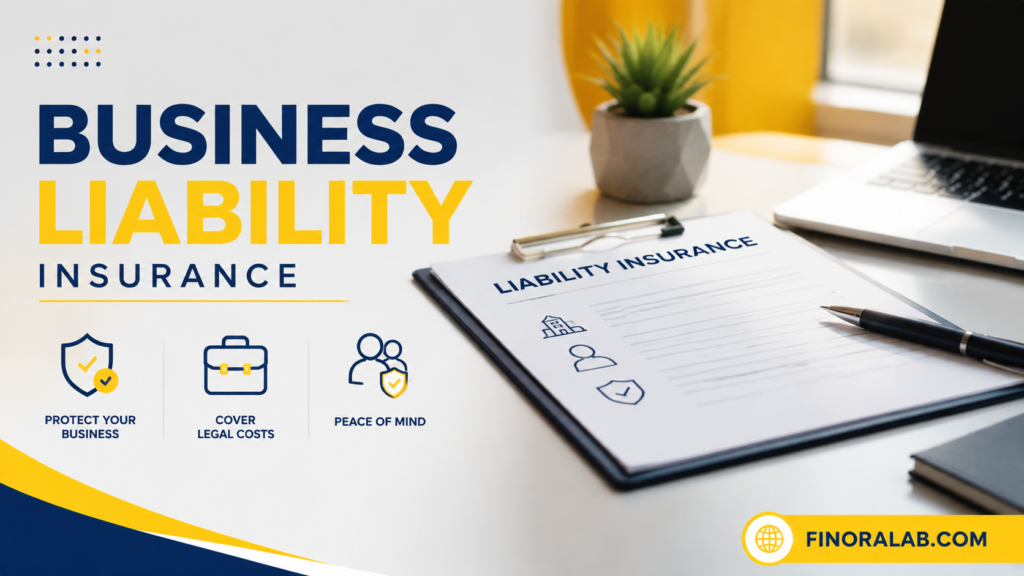
Business liability insurance is an important type of financial protection that helps companies manage the costs associated with accidents, injuries, property damage, lawsuits, and other unexpected risks. Whether a business is small, growing, or well established, legal claims and financial liabilities can create serious challenges that may affect operations, employees, and long term financial stability.
Running a business involves many types of risks. A customer may get injured on company property, a product may cause damage, or a service provided by a business may result in financial loss for a client. Without proper protection, these situations could force a business owner to use personal savings or business assets to cover expenses.
Understanding how business liability insurance works, what it covers, how much it costs, and why it matters can help entrepreneurs make smarter risk management decisions. Insurance is not only about protecting against current problems but also about creating a stronger foundation for future business growth.
What Is Business Liability Insurance?
Business liability insurance is a type of commercial insurance designed to protect businesses from financial losses caused by claims of injury, property damage, or legal responsibility. It helps cover certain costs associated with lawsuits, settlements, medical expenses, and other liability related situations.
The purpose of business liability insurance is to transfer some financial risks from the business owner to an insurance company. Instead of paying potentially large expenses out of pocket, a business can rely on coverage according to the terms and limits of its policy.
Most businesses face some level of liability exposure regardless of their size or industry. A local retail store, online business, consulting company, construction company, or professional service provider may all benefit from understanding their liability risks.
Why Business Liability Insurance Is Important for Companies
Business liability insurance plays a major role in protecting a companys financial health. A single lawsuit or accident can create expenses that may exceed a businesss available cash reserves, especially for small businesses with limited resources.
For example, if a customer slips and falls inside a store, the business may face medical expenses, legal fees, and compensation claims. Without insurance protection, these costs could significantly affect profitability and daily operations.
Liability coverage also helps businesses build trust with customers, partners, and vendors. Many clients and commercial agreements require companies to carry certain insurance coverage before working together.
What Does Business Liability Insurance Cover?
Business liability insurance coverage depends on the specific policy, but many policies include protection against common risks such as bodily injury, property damage, and personal or advertising injury claims.
Bodily injury coverage may help pay expenses if someone is injured because of business operations. This could include medical costs, legal defense expenses, and settlements within policy limits.
Property damage coverage may help when a business causes damage to someone elses property. For example, a contractor accidentally damaging a clients home during a project may face repair costs that could potentially fall under liability coverage.
Personal and advertising injury coverage may protect businesses against certain claims involving issues such as copyright related advertising disputes, reputation harm, or other covered offenses.
Types of Business Liability Insurance Coverage
General liability insurance is one of the most common forms of business liability protection. It typically covers basic risks involving customer injuries, property damage, and certain legal claims related to business operations.
Professional liability insurance, also known as errors and omissions insurance, protects businesses that provide professional advice or services. It may help cover claims alleging mistakes, negligence, or failure to deliver promised services.
Product liability insurance focuses on businesses that manufacture, distribute, or sell products. It helps protect against claims that a product caused injury or property damage.
Many businesses combine multiple types of liability coverage to create a broader risk management strategy based on their industry and specific operations.
Who Needs Business Liability Insurance?
Many types of businesses can benefit from liability insurance because nearly every company faces some level of legal or financial risk. Small business owners, freelancers, contractors, consultants, retailers, and online sellers often consider liability coverage an important protection.
Businesses that interact directly with customers may have higher exposure because accidents or injuries can occur during normal operations. Restaurants, gyms, stores, construction companies, and service providers often face significant liability risks.
Even businesses that operate online may need protection. Digital companies can face risks related to professional services, advertising claims, data issues, or customer disputes depending on their activities.
How Much Does Business Liability Insurance Cost?
The cost of business liability insurance varies based on factors such as business size, industry, location, coverage limits, claims history, number of employees, and level of risk.
A small business with limited operations may pay less than a larger company with higher customer interaction or greater potential losses. High risk industries typically have higher premiums because insurers evaluate the possibility of claims.
Business owners should consider insurance costs as part of their overall financial planning. Choosing the cheapest policy may not provide enough protection, while selecting excessive coverage may create unnecessary expenses.
The goal is finding a balance between affordable premiums and sufficient protection for realistic business risks.
Factors That Affect Business Liability Insurance Premiums
Insurance companies evaluate several factors when determining business liability insurance costs. The type of business is one of the most important factors because different industries have different levels of risk.
A construction company, for example, may face different liability concerns compared with a marketing agency or online retailer. Businesses involving physical work, customers, equipment, or valuable property often require different coverage considerations.
Other factors include annual revenue, employee count, previous claims, business location, coverage limits, and selected deductibles. Maintaining good safety practices and reducing preventable risks may help businesses manage insurance costs.
Business Liability Insurance vs Other Business Insurance Types
Business liability insurance protects against third party claims, but it is only one part of a complete business insurance strategy. Many companies combine liability coverage with other policies to address different risks.
Commercial property insurance protects business buildings, equipment, inventory, and physical assets from events such as fire, theft, or certain types of damage.
Workers compensation insurance provides benefits for employees who experience work related injuries or illnesses. Commercial auto insurance protects vehicles used for business purposes.
Understanding the differences between insurance types helps business owners create a more complete financial protection plan.
How to Choose the Right Business Liability Insurance Policy
Choosing the right business liability insurance requires understanding the companys specific risks and financial needs. Business owners should evaluate their industry, daily operations, customers, employees, and potential legal exposure.
Coverage limits are an important consideration. A policy with low limits may not provide enough protection if a major claim occurs. Businesses should consider the possible financial impact of serious incidents when selecting coverage amounts.
Comparing insurance providers can also help businesses find appropriate coverage. Factors such as insurer reputation, claims handling, customer service, policy flexibility, and financial strength should be considered alongside price.
Common Mistakes Businesses Make With Liability Insurance
One common mistake is assuming that a small business does not need liability insurance. Even small companies can face lawsuits, accidents, or claims that create significant financial challenges.
Another mistake is purchasing insufficient coverage to save money. While lower premiums may seem attractive, inadequate protection can leave a business responsible for large expenses.
Some business owners also fail to update their policies as their companies grow. Adding employees, expanding services, increasing revenue, or moving locations may require adjustments to insurance coverage.
Regular policy reviews help ensure that protection remains aligned with business operations.
Business Liability Insurance and Financial Planning
Business liability insurance is an important component of financial planning because it protects company assets and supports long term stability. A strong risk management strategy allows business owners to focus on growth instead of constantly worrying about unexpected financial threats.
Insurance should be viewed as a preventive financial tool rather than simply an expense. Protecting business assets, cash flow, and reputation can help maintain operations during difficult situations.
Entrepreneurs should consider liability insurance alongside budgeting, emergency reserves, tax planning, and investment decisions. A complete financial strategy balances growth opportunities with protection against potential losses.
Conclusion
Business liability insurance provides valuable protection for companies facing risks related to injuries, property damage, legal claims, and other liabilities. It helps businesses manage unexpected expenses and protect their financial resources from situations that could otherwise threaten operations.The right coverage depends on factors such as industry, business size, services offered, and potential risks. Business owners should carefully evaluate their needs, compare policies, and regularly review coverage as their companies change.Insurance cannot prevent every problem, but business liability insurance can provide important financial support when unexpected challenges occur. By including liability protection in a broader risk management plan, businesses can create a stronger foundation for sustainable growth.
Business liability insurance is coverage that protects companies from financial losses caused by third party claims involving injuries, property damage, legal disputes, or other covered liabilities.
Is business liability insurance required?
Requirements vary depending on the industry, location, contracts, and business activities. Some states, clients, or professional agreements may require certain types of insurance coverage.
How much does business liability insurance cost?
The cost depends on factors such as business type, location, coverage limits, revenue, employees, and claims history. Small businesses may pay less than companies with higher risks.
What does business liability insurance cover?
Coverage commonly includes bodily injury claims, property damage claims, legal defense costs, and certain personal or advertising injury claims depending on the policy.
Do freelancers need business liability insurance?
Many freelancers can benefit from liability insurance because they may face claims related to professional services, client disputes, property damage, or accidental injuries.
What is the difference between general liability and professional liability insurance?
General liability typically covers physical injuries and property damage, while professional liability protects against claims involving mistakes, negligence, or professional service issues.
Can business liability insurance protect personal assets?
Yes, business liability insurance can help protect business owners from certain claims that could otherwise affect business finances. However, coverage depends on policy terms and limits.
How do I choose the right business liability insurance?
Business owners should evaluate their risks, industry requirements, coverage limits, budget, and insurance provider reputation before selecting a policy.
Can a business operate without liability insurance?
Some businesses operate without coverage, but doing so can expose owners to significant financial risks if lawsuits, accidents, or claims occur.
How often should businesses review liability insurance?
Businesses should review their liability insurance regularly and whenever major changes occur, such as expansion, hiring employees, adding services, or increasing revenue.
I am a professional finance content writer with expertise in personal finance investing, banking, loans, insurance, credit cards, budgeting, and market related topics. I create clear, SEO optimized, and reader friendly finance content that helps audiences understand complex financial concepts in simple words. My goal is to write trustworthy and engaging content that improves search visibility, builds credibility, and supports business growth.
I am a professional finance content writer with expertise in personal finance investing, banking, loans, insurance, credit cards, budgeting, and market related topics. I create clear, SEO optimized, and reader friendly finance content that helps audiences understand complex financial concepts in simple words. My goal is to write trustworthy and engaging content that improves search visibility, builds credibility, and supports business growth.









Pingback: Liability Insurance: Protect Your Assets From Costly Risks | FinoraLabs