
You opened your tax return, saw a balance you cannot afford, and your first thought was probably, What happens now? Ignoring the bill usually makes the situation worse.
The IRS gives many taxpayers options to spread payments over time instead of paying the full amount immediately. An IRS payment plan can make a large tax bill more manageable, but choosing the wrong option can lead to extra interest, penalties, and financial stress.
The key is understanding which plan fits your situation before you agree to anything.
IRS Payment Plan Options Which One Fits Your Tax Debt?
The IRS offers different payment arrangements based on how much you owe, your income, and how quickly you can repay the balance.
The most common options include
| Plan Type | Best For | Main Feature |
| Short term payment plan | Smaller tax debts | Pay within the allowed short period without a monthly agreement setup |
| Long term installment agreement | Larger balances | Monthly payments over time |
| Direct debit installment agreement | Taxpayers wanting automatic payments | Payments withdrawn from a bank account |
| Offer in compromise | People who cannot realistically pay the full amount | Possible settlement for less than the total owed |
The right choice depends on your ability to pay, not just the amount you owe.
How Does an IRS Payment Plan Work?
An IRS payment plan lets you pay your federal tax debt through scheduled payments instead of one lump sum.
You usually agree to
- Pay a fixed amount each month
- Stay current with future tax filings
- Make all required future tax payments
- Follow the terms of the agreement
Interest and certain penalties generally continue until the balance is fully paid.
That means stretching payments over a longer period can make monthly costs easier, but the total amount paid may increase.
IRS Short Term Payment Plan When It Makes Sense
A short term payment plan can work well if you have the money coming soon but cannot pay immediately.
Examples
- Waiting for a work bonus
- Selling an asset
- Receiving a large payment
- Expecting a refund or financial change
This option is often better than committing to a longer agreement if you can realistically clear the balance quickly.
A common mistake is choosing a long payment plan simply because the monthly payment looks comfortable.
Lower monthly payments are not always cheaper.
IRS Long Term Installment Agreement Explained
A long term IRS installment agreement allows taxpayers to make monthly payments over an extended period.
This option may help people who owe more than they can pay quickly.
For example
Michael owes the IRS $12,000 after filing his taxes.
He cannot pay the full amount but can afford $400 per month.
A payment plan could allow him to spread payments over time instead of draining his emergency savings or missing essential bills.
However, he should understand that interest and penalties may continue until the debt is paid.
How Much Will an IRS Payment Plan Cost?
Your monthly payment depends on several factors
- Total tax debt
- Payment timeline
- Income and expenses
- IRS agreement type
- Interest and penalties
There is no single monthly payment amount that applies to everyone.
A taxpayer owing $5,000 and someone owing $50,000 will likely have very different payment arrangements.
Before agreeing, calculate whether the payment actually fits your budget.
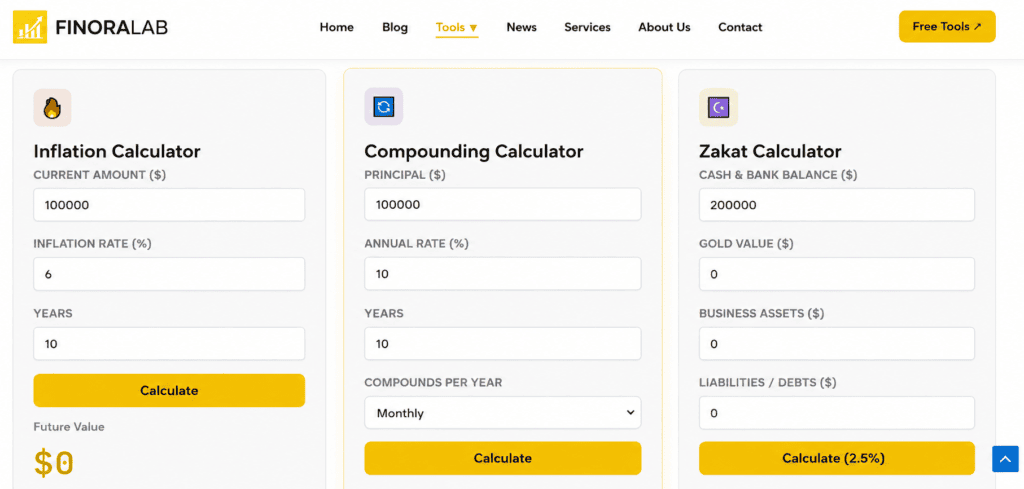
A payment that leaves you unable to cover rent, groceries, or utilities is not a good plan.
How to Set Up an IRS Payment Plan
Many taxpayers can apply online through the IRS website.
The basic process usually involves
- Confirming how much you owe.
- Checking your eligibility.
- Choosing a payment option.
- Selecting a monthly payment amount.
- Setting up payment details.
You may need information such as
- Tax balance amount
- Filing status
- Bank account details
- Income information
The sooner you address the tax debt, the more options you generally have.
IRS Payment Plan Requirements
To qualify for an IRS payment plan, taxpayers generally need to
- Have filed required tax returns
- Owe an eligible tax debt
- Make required future payments
- Follow the agreement terms
The IRS may also consider your financial situation depending on the type of agreement.
People often make the mistake of applying before filing missing tax returns. A payment plan usually does not solve the problem of unfiled returns.
File first.
Does an IRS Payment Plan Affect Your Credit Score?
Tax debt itself does not work exactly like traditional credit card or loan debt.
However, failing to address unpaid taxes can create serious financial problems.
If the IRS files a federal tax lien, it can affect your ability to borrow money and may create complications during financial transactions.
Handling the debt early is usually better than waiting for collection actions.
IRS Payment Plan vs Paying With a Credit Card
Some taxpayers consider using a credit card instead of setting up an IRS payment plan.
Here is the trade off
| Option | Advantage | Risk |
| IRS payment plan | Structured payments directly with IRS | Interest and penalties may continue |
| Credit card | Fast payment and possible rewards | High credit card interest rates |
| Personal loan | Fixed repayment schedule | Requires approval and creates new debt |
Using a credit card may seem easier, but high interest rates can make the debt more expensive.
A lower rate option may be better if you qualify, but compare the full cost first.
Common IRS Payment Plan Mistakes
Waiting Too Long
Many people avoid opening IRS letters because they feel overwhelmed.
That usually reduces your options.
Taking action early gives you more control.
Choosing an Unrealistic Monthly Payment
A payment plan should fit your real budget.
Do not choose a large payment just to finish faster if it causes you to miss other bills.
Ignoring Future Taxes
An IRS payment plan only handles your existing debt.
If you continue underpaying taxes, the balance can grow again.
Forgetting About Automatic Payments
Missing payments can cause problems with your agreement.
Automatic payments can help prevent accidental missed deadlines.
Can the IRS Reduce Your Tax Debt?
Sometimes.
An Offer in Compromise allows certain taxpayers to settle their tax debt for less than the full amount if they meet strict requirements.
This option is not available to everyone.
The IRS generally reviews
- Income
- Expenses
- Assets
- Ability to pay
Be careful with companies promising guaranteed IRS debt forgiveness. Many taxpayers spend money on services that do not deliver what was promised.
How to Budget While Paying the IRS
A tax payment plan should become part of your monthly budget.
Start by listing
- Housing costs
- Food expenses
- Transportation
- Insurance
- Minimum debt payments
- IRS payment amount
Then look for areas where you can adjust.
Small changes, such as reducing subscriptions or temporary spending cuts, can help you stay consistent.
The goal is not just paying the IRS.
The goal is paying the IRS without creating a new financial crisis.
Conclusion
An IRS payment plan can give you breathing room when paying your full tax bill immediately is not realistic.The best move is usually to act early, understand your options, and choose a payment amount that fits your actual budget.Do not ignore tax debt.A manageable plan today is usually better than a bigger problem later.Educational disclaimer This article provides general educational information and is not personalized tax or financial advice. IRS rules, fees, interest rates, and payment options can change. Consider consulting a qualified tax professional for guidance based on your specific situation.
You may also read more blogs
FAQs
How do I set up an IRS payment plan?
You can usually apply through the IRS online payment agreement system if you meet eligibility requirements. You will need information about your tax balance and payment ability.
Does the IRS charge interest on payment plans?
Yes. Interest and certain penalties generally continue until the tax balance is fully paid.
Can I pay the IRS monthly?
Yes. Many taxpayers use installment agreements to make monthly payments instead of paying the full amount immediately.
What happens if I miss an IRS payment?
Missing payments can put your agreement at risk. Contact the IRS quickly if you cannot make a scheduled payment.
Can the IRS forgive tax debt?
In some situations, taxpayers may qualify for an Offer in Compromise. Approval depends on financial details and IRS requirements.
Is an IRS payment plan better than a credit card?
It depends on the cost and your situation. Credit cards often carry higher interest rates, so compare total repayment costs before choosing.
How long can an IRS payment plan last?
The length depends on your balance, agreement type, and financial situation. Some plans can extend over several years.

I am a professional finance content writer with expertise in personal finance investing, banking, loans, insurance, credit cards, budgeting, and market related topics. I create clear, SEO optimized, and reader friendly finance content that helps audiences understand complex financial concepts in simple words. My goal is to write trustworthy and engaging content that improves search visibility, builds credibility, and supports business growth.






Pingback: roth ira contribution limits 2025: $7,000 or $8,000?