Fitness Investing: The Smart Way to Grow Health & Wealth
Shanzay Arain·Sep 02, 2026
You can spend $200 a month on a gym membership, supplements, and fitness apps and still feel like youre getting nowhere. The problem usually isnt effort. Its that health spending is often treated like a random expense instead of a long term investment.
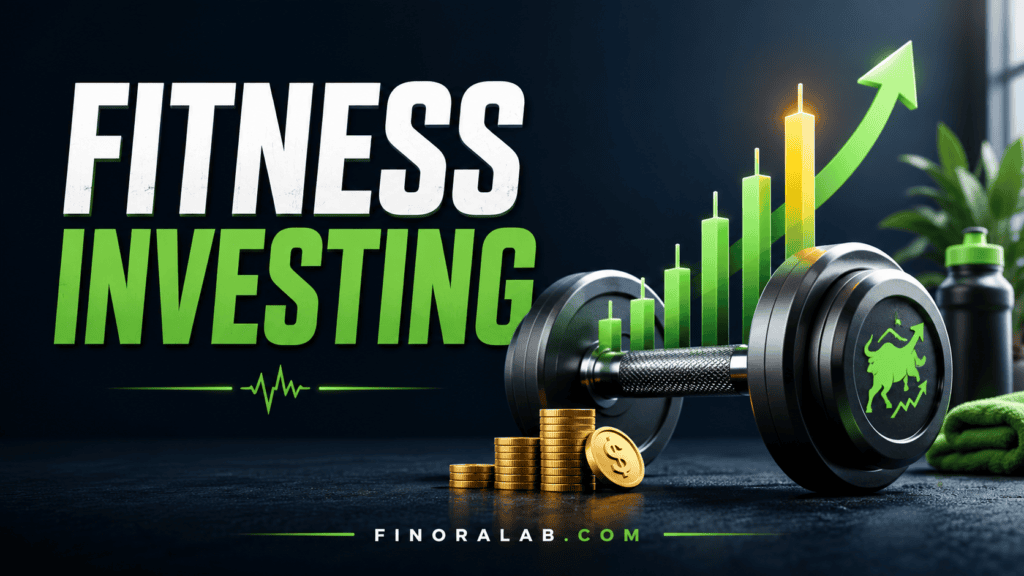
Fitness investing is about putting money, time, and attention into choices that improve your physical health while creating long term financial benefits. A healthier lifestyle can reduce future healthcare costs, improve productivity, and support better financial decisions.
But theres a trap. The fitness industry is full of expensive products promising quick results. The smartest investment is rarely the newest gadget or premium subscription. Its usually the habit you can maintain for years.
What Fitness Investing Really Means
Fitness investing is the idea of treating your health as an asset that can produce value over time. The return is not measured only in appearance or athletic performance. It can show up through better energy, fewer medical expenses, improved confidence, and stronger daily habits.
Think of your body like a long term project. You invest through exercise, nutrition, sleep, preventive care, and education. These investments can influence your ability to work, earn income, and enjoy life.
A person who spends $50 per month on basic fitness habits may receive more value than someone spending $500 per month on expensive programs they rarely use.
Consistency beats cost.
Why Fitness Can Be a Financial Investment
Many people view fitness expenses as optional spending, but health choices can affect your finances over decades.
Poor health can create costs through
Higher medical expenses
Missed work opportunities
Reduced productivity
Increased insurance costs
Lower quality of life
A healthy lifestyle does not guarantee you will avoid medical problems. Genetics, accidents, and unexpected conditions still exist. But maintaining good habits can improve your odds of avoiding some preventable issues.
For example, someone who regularly exercises, eats a balanced diet, and manages stress may reduce certain health risks compared with someone who ignores preventive care.
The goal is not perfection. Its reducing avoidable financial pressure.
The Real Cost of Fitness Budgeting for Health
Fitness investing starts with your budget.
Many people overspend on health products because they think expensive means effective. A $150 monthly fitness plan that you quit after two months is worse than a $30 plan you follow consistently for years.
A simple fitness budget might include
Expense
Example Monthly Cost
Gym membership
$30–$80
Basic equipment
$10–$30
Healthy groceries
Variable
Fitness apps
$0–$20
Preventive healthcare
Depends on coverage
The right amount depends on your income and financial goals. You should not sacrifice emergency savings, debt payments, or retirement contributions just to buy fitness products.
Health and wealth should support each other.
Fitness Investing vs Traditional Investing
Fitness investing and financial investing share an important idea small actions compound over time.
Financial investing involves putting money into assets such as stocks, bonds, or retirement accounts with the goal of future growth.
Fitness investing involves putting resources into your health with the goal of improving future outcomes.
They are different, but they work together.
For example
Investing $300 monthly into a retirement account may grow your financial assets.
Investing one hour daily into exercise may improve your physical ability to continue earning income.
The best financial plans usually include both.
Where to Spend Money on Fitness
Not every fitness expense creates equal value.
Some purchases have a strong long term return
Quality Food
Nutrition is one of the biggest areas where money matters. Buying healthier foods can support energy, performance, and overall health.
However, expensive fitness foods are not always better. A simple meal with vegetables, protein, and whole grains can often compete with expensive packaged products.
Training and Education
A good trainer, fitness class, or educational program can help you avoid mistakes and build better habits.
The key is choosing education that teaches you skills you can continue using independently.
Basic Equipment
Simple equipment like resistance bands, dumbbells, or walking shoes can provide years of value.
The fitness industry is built around motivation, but motivation often fades.
Common money traps include
Buying expensive equipment you rarely use
Paying for multiple unused subscriptions
Following extreme diets
Spending money on unproven supplements
A common example
Someone buys a $2,000 exercise machine because they believe it will transform their lifestyle. After three months, it becomes an expensive piece of furniture.
A $20 pair of walking shoes used every day may create a much better return.
The best investment is the one you actually use.
Fitness Investing and Workplace Performance
Your health can influence your earning potential.
Better sleep, exercise, and nutrition may improve
Focus
Energy levels
Decision making
Stress management
Productivity
For professionals, this matters because income is often the biggest financial asset they have.
Consider two employees earning $70,000 annually. One regularly invests in maintaining health and energy. The other frequently misses work due to preventable health issues.
Over years, the difference in career opportunities and earnings could become significant.
Your ability to earn money depends partly on your ability to function well.
How Fitness Investing Can Affect Healthcare Costs
Healthcare expenses are one of the biggest financial concerns for many Americans.
Fitness investing does not eliminate healthcare costs. No lifestyle choice can guarantee that.
But preventive habits can help support better health outcomes.
Useful habits include
Regular physical activity
Routine medical checkups
Balanced nutrition
Adequate sleep
Stress management
Healthcare costs can also be affected by insurance choices, employer benefits, and personal financial planning.
A health savings account (HSA), for eligible individuals with qualifying high deductible health plans, can also be part of a broader healthcare and tax strategy. Contribution limits and rules change, so readers should verify current IRS limits before making decisions.
Fitness Investing for Different Life Stages
Your fitness investment strategy changes as your life changes.
Young Adults
The biggest investment is building habits. Learning basic nutrition, strength training, and budgeting creates a foundation.
Families
Parents often balance health goals with childcare, work, and household expenses. Simple routines usually work better than expensive programs.
Older Adults
Maintaining strength, mobility, and balance can become increasingly valuable. Investing in physical ability can support independence.
The goal is not chasing a certain appearance. It is protecting your future quality of life.
Fitness Investing vs Saving Money
Some people avoid fitness spending because they are trying to save money. That can be reasonable, especially if they are dealing with debt or financial emergencies.
However, cutting all health spending can create problems.
How to Start Fitness Investing With a Small Budget
You do not need hundreds of dollars each month to begin.
A simple starting plan
Walk 30 minutes most days
Cook more meals at home
Buy basic workout equipment if needed
Sleep on a consistent schedule
Track progress
Example
A person spends
$25/month on a gym membership
$50/month on improved groceries
$15/month on a fitness app
Total
$90/month.
Over one year
$90 × 12 = $1,080.
That is a meaningful amount of money, so the person should make sure the habits created are actually improving their health.
Spending money is not the goal. Creating value is.
Common Mistakes With Fitness Investing
The biggest mistake is confusing spending with investing.
Buying fitness products does not automatically create health improvements.
Other mistakes include
Ignoring financial priorities
Following unrealistic programs
Comparing yourself to online influencers
Expecting quick results
A sustainable fitness routine should fit your budget and lifestyle.
The best plan is usually the one you can continue during busy months, stressful periods, and financial challenges.
Conclusion
Fitness investing is not about buying the most expensive equipment, supplements, or memberships. It is about making choices today that improve your future health and financial stability.Start with habits that create the biggest return movement, nutrition, sleep, and preventive care.Your health is one of your most valuable assets. Protect it like one.Educational disclaimer This article provides general information about health related spending and personal finance concepts. It is not medical, financial, tax, or investment advice. Consider consulting qualified professionals for decisions based on your personal circumstances.
Fitness investing means putting money, time, and effort into improving your health with the goal of creating long term physical and financial benefits.
Is spending money on fitness worth it?
It can be worth it if the spending supports habits you maintain. Expensive products are not always better than simple, consistent routines.
How much should I budget for fitness?
There is no universal amount. Fitness spending should fit within your budget while allowing you to maintain savings, debt payments, and other financial goals.
Can fitness investing save money?
Healthy habits may help reduce some preventable health risks and support productivity, but they do not guarantee lower healthcare costs.
Is a gym membership a good fitness investment?
A gym membership can be valuable if you use it consistently. A cheaper option may be better if it matches your lifestyle and helps you stay active.
What is the best fitness investment for beginners?
For most beginners, the best investments are basic exercise habits, quality food choices, proper sleep, and learning correct techniques.
Should I spend money on supplements?
Supplements are not always necessary. Many people can improve fitness through nutrition, exercise, and lifestyle habits before considering additional products.
I am a professional finance content writer with expertise in personal finance investing, banking, loans, insurance, credit cards, budgeting, and market related topics. I create clear, SEO optimized, and reader friendly finance content that helps audiences understand complex financial concepts in simple words. My goal is to write trustworthy and engaging content that improves search visibility, builds credibility, and supports business growth.
I am a professional finance content writer with expertise in personal finance investing, banking, loans, insurance, credit cards, budgeting, and market related topics. I create clear, SEO optimized, and reader friendly finance content that helps audiences understand complex financial concepts in simple words. My goal is to write trustworthy and engaging content that improves search visibility, builds credibility, and supports business growth.








Pingback: Capital Gains Tax Rate 2025: What You’ll Pay on Profits