How to Find Net Income: A Complete Guide for Beginners and Businesses
Shanzay Arain·May 18, 2026
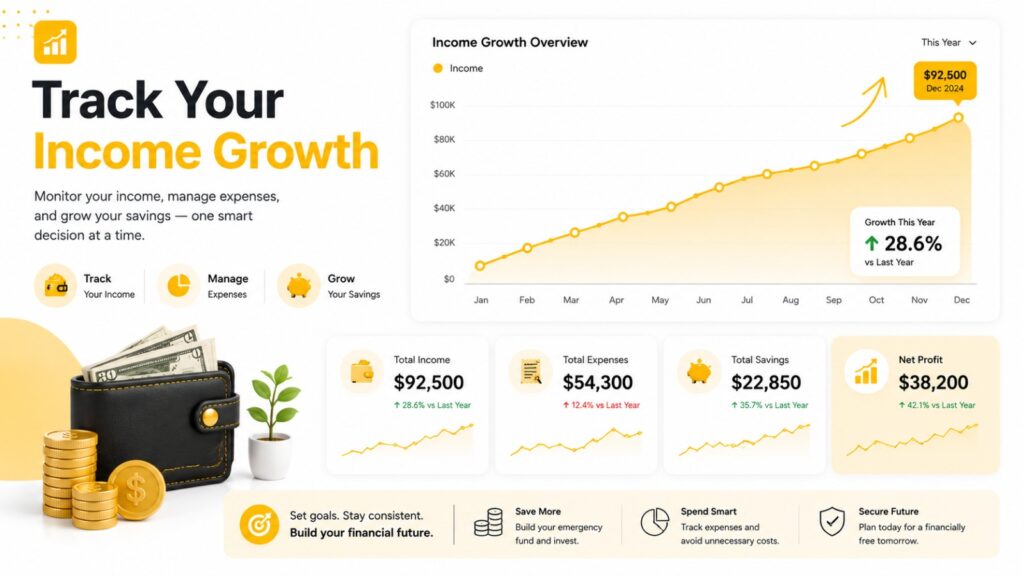
Understanding how to find net income is one of the most important financial skills for individuals investors freelancers and business owners. Whether you are reviewing your paycheck analyzing a company’s profits or planning your monthly budget net income gives you a clear picture of your actual earnings after expenses and deductions.
In modern finance net income is often called the “bottom line” because it reflects the final amount remaining after all costs have been paid. It helps businesses measure profitability allows investors to evaluate company performance and helps individuals understand their real take-home income. Without knowing how to find net income it becomes difficult to manage spending savings taxes and long-term financial planning.
The good news is that finding net income is not as complicated as many people think. Once you understand the basic formula and the types of expenses involved the process becomes simple and practical. This guide explains everything in a beginner-friendly way including formulas real-world examples common mistakes and financial tools that can make calculations easier.
Key Takeaways
Net income is the amount left after subtracting all expenses taxes and deductions from total earnings.
Individuals use net income to determine take-home pay and budgeting ability.
Businesses use net income to measure profitability and operational performance.
The net income formula works for both personal and business finance with slight adjustments.
Financial calculators like Tax Calculators EMI Calculators and ROI Calculators simplify income analysis.
Understanding net income helps improve financial planning investing and business decision-making.
What Is Net Income?
Net income refers to the final amount of money earned after all expenses and deductions are removed from total revenue or gross income. It represents actual profit or take-home earnings rather than total sales or salary before deductions.
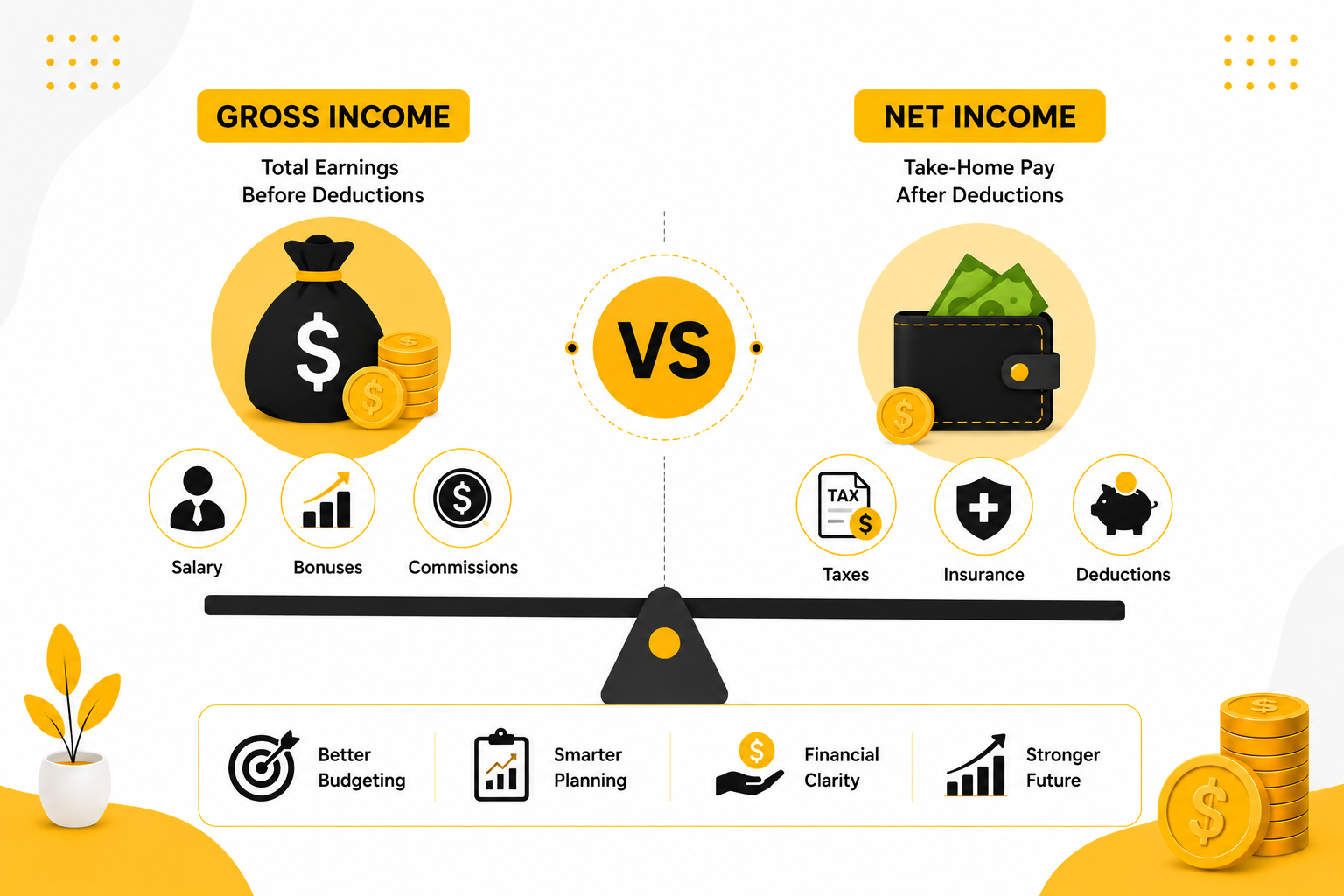
For individuals net income is the amount received after taxes insurance retirement contributions and other deductions are subtracted from gross pay.
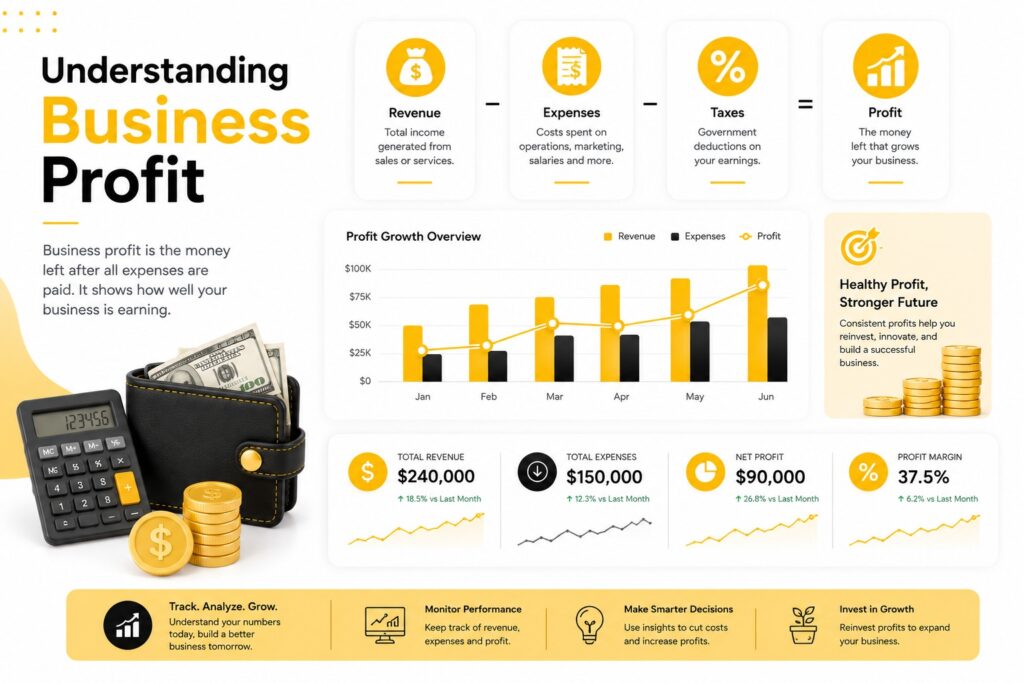
For businesses net income is the remaining profit after paying operating expenses employee salaries taxes interest utilities and other business costs.
You may also hear net income referred to as:
Net profit
Earnings after taxes
Bottom line
Final earnings
Regardless of the term used the concept remains the same: it shows how much money is truly left after financial obligations are paid.
Why Net Income Matters
Importance for Personal Finance
Many people focus only on gross salary when evaluating their finances. However gross income does not reflect actual spending power.
For example an employee earning $70000 annually may only take home around $52000 after taxes and deductions. This final amount is the net income that should be used for budgeting and savings plans.
Businesses rely heavily on net income to evaluate financial health and long-term profitability. Investors lenders and stakeholders examine net income before making financial decisions.
A strong net income often indicates:
Healthy business operations
Effective cost management
Sustainable growth potential
Better investor confidence
On the other hand declining net income may signal rising costs or weakening sales performance.
How to Find Net Income
The basic formula for finding net income is straightforward:
This means the company keeps 20% of revenue as profit.
Higher profit margins often indicate stronger financial efficiency.
Real-World Applications of Net Income
Banking and Loans
Banks analyze net income before approving loans or credit cards. Lenders want to know whether borrowers can comfortably repay debt obligations.
A higher net income usually improves borrowing power.
Investing
Investors study company net income to evaluate profitability and future growth potential.
Public companies release quarterly earnings reports where net income is one of the most closely watched metrics.
Freelancing and Self-Employment
Freelancers use net income calculations to determine real profits after business costs and taxes.
For example a freelance designer earning $6000 monthly may still need to deduct:
Software subscriptions
Advertising costs
Internet bills
Taxes
The remaining amount represents true earnings.
Budgeting and Savings
Individuals use net income to:
Build emergency funds
Calculate savings rates
Plan retirement contributions
Determine affordable living expenses
Using gross income instead can lead to unrealistic financial expectations.
Common Mistakes When Finding Net Income
Ignoring Small Expenses
Many people forget recurring expenses such as subscriptions transaction fees or maintenance costs. Over time these can significantly reduce net income.
Confusing Revenue With Profit
Revenue simply measures total sales or earnings. Net income measures actual profit after expenses.
A business can generate large revenue while still losing money.
Forgetting Taxes
Taxes often have a major impact on final earnings. Ignoring tax obligations can create inaccurate financial planning.
Poor Financial Tracking
Businesses without organized bookkeeping systems often miscalculate profitability.
Using accounting software can improve accuracy and financial visibility.
Financial Tools That Help Calculate Net Income
Technology has made financial calculations much easier than in the past. Several tools can simplify net income analysis.
Tax Calculator
A Tax Calculator estimates income tax obligations and helps determine actual take-home earnings.
Loan Calculator
Loan Calculators estimate monthly repayment obligations that affect disposable income.
EMI Calculator
An EMI Calculator helps borrowers understand how monthly installments impact net income and cash flow.
ROI Calculator
An ROI Calculator measures investment profitability relative to costs.
SIP Calculator
A SIP Calculator estimates returns from systematic investment plans over time.
Many companies use deductions depreciation strategies and retirement contributions to optimize taxes.
Net Income vs Cash Flow
Although related net income and cash flow are different financial concepts.
Net Income
Cash Flow
Measures profitability
Measures available cash
Includes non-cash expenses
Focuses on actual cash movement
Based on accounting principles
Based on real transactions
A company can show positive net income while still experiencing cash shortages if payments are delayed.
This is why businesses monitor both metrics together.
Historical Importance of Net Income
The concept of net income has existed for centuries as part of accounting and financial reporting systems. Modern businesses rely on standardized accounting methods to measure profitability and communicate performance to investors.
Today stock prices often react strongly to earnings announcements because net income provides insights into company efficiency and future growth potential.
From small startups to multinational corporations net income remains one of the most important financial indicators in the world.
Things to Know Before Calculating Net Income
Before finding net income it is important to:
Track all expenses accurately
Include taxes and deductions
Separate personal and business expenses
Keep organized financial records
Review calculations regularly
Small errors can create misleading financial results especially for businesses and self-employed individuals.
Conclusion
Learning how to find net income is essential for anyone who wants to understand their financial position clearly. Whether you are calculating personal take-home pay reviewing business profits or analyzing investments net income provides a realistic view of actual earnings after expenses and deductions.
By understanding the formula tracking expenses carefully and using financial tools like Tax Calculators EMI Calculators ROI Calculators and Compound Interest Calculators you can make better financial decisions and improve long-term planning.
In today’s fast-moving financial environment knowing how to find net income is more than just an accounting skill. It is a practical tool that supports smarter budgeting better investing stronger businesses and healthier financial habits.
FAQs
What is the formula to find net income?
The basic formula is:
Net Income = Total Revenue − Total Expenses
For individuals deductions and taxes are also included.
Is net income the same as take-home pay?
Yes for employees net income usually refers to take-home pay after taxes and deductions.
Why is net income important for businesses?
Net income measures profitability and helps businesses evaluate financial performance and growth potential.
Can net income be negative?
Yes. If expenses exceed revenue the result is a net loss instead of positive net income.
Where can I find net income on an income statement?
Net income is usually listed at the bottom of the income statement.
How often should businesses calculate net income?
Most businesses calculate net income monthly quarterly and annually to monitor financial performance.
Which calculator helps estimate net income?
Tax Calculators Loan Calculators EMI Calculators and budgeting tools are commonly used to estimate net income.
What is the difference between net income and revenue?
Revenue is total earnings before expenses while net income is the amount remaining after all costs are deducted.
I am a professional finance content writer with expertise in personal finance investing, banking, loans, insurance, credit cards, budgeting, and market related topics. I create clear, SEO optimized, and reader friendly finance content that helps audiences understand complex financial concepts in simple words. My goal is to write trustworthy and engaging content that improves search visibility, builds credibility, and supports business growth.
I am a professional finance content writer with expertise in personal finance investing, banking, loans, insurance, credit cards, budgeting, and market related topics. I create clear, SEO optimized, and reader friendly finance content that helps audiences understand complex financial concepts in simple words. My goal is to write trustworthy and engaging content that improves search visibility, builds credibility, and supports business growth.