Anesthesiologist Salary: Average Earnings, Top-Paying States, and Career Outlook in 2026
Shanzay Arain·Jun 13, 2026
Anesthesiology is widely recognized as one of the highest-paying professions in healthcare. The combination of extensive medical training specialized expertise and significant patient responsibility makes anesthesiologists among the most highly compensated physicians in the United States.
For aspiring doctors and healthcare professionals understanding anesthesiologist salary expectations is an important step in evaluating career opportunities. While the path to becoming an anesthesiologist requires years of education and residency training the financial rewards often reflect the complexity and importance of the role.
As surgical procedures continue to increase and healthcare systems expand anesthesiologists remain essential members of medical teams. Their expertise helps ensure patient safety before during and after surgery making them indispensable in modern medicine.
This guide explores anesthesiologist salaries compensation trends career outlook and factors that influence earnings across different practice settings and locations.
What Is an Anesthesiologist?
An anesthesiologist is a licensed physician specializing in anesthesia pain management and critical care medicine. These medical professionals are responsible for administering anesthesia and monitoring patients throughout surgical procedures.
Beyond the operating room anesthesiologists evaluate patients before surgery develop anesthesia plans manage pain and respond to emergencies that may arise during procedures. Their expertise helps reduce risks and improve patient outcomes.
The profession requires advanced medical knowledge quick decision-making skills and the ability to manage life-threatening situations. As a result anesthesiology is often considered one of the most demanding specialties in medicine.
The critical role anesthesiologists play in patient care contributes significantly to their high earning potential.
Understanding Anesthesiologist Salary
Anesthesiologist salary refers to the total compensation earned by physicians specializing in anesthesia care. Compensation typically includes base salary bonuses profit-sharing opportunities retirement contributions and other benefits.
Because anesthesiologists are highly trained specialists their earnings often rank among the highest in the healthcare industry. Compensation levels vary depending on experience location employer type and practice structure.
Many anesthesiologists receive performance incentives tied to productivity patient volume or organizational goals. These additional earnings can significantly increase overall compensation.
Understanding salary structures helps medical students and professionals evaluate career opportunities more effectively.
Latest Update on Anesthesiologist Salary Trends
Recent healthcare workforce trends continue to support strong earning potential for anesthesiologists. Demand for surgical procedures aging populations and ongoing physician shortages contribute to favorable compensation environments.
Hospitals and healthcare organizations increasingly compete for qualified anesthesiologists particularly in regions experiencing provider shortages. This competition often leads to attractive salary packages and recruitment incentives.
Advancements in surgical technology and expanding outpatient procedure centers have also increased demand for anesthesia services. As healthcare delivery models evolve anesthesiologists continue to play a central role in patient care.
The overall trend suggests that anesthesiology remains one of the most financially rewarding physician specialties available.
Average Anesthesiologist Salary in the United States
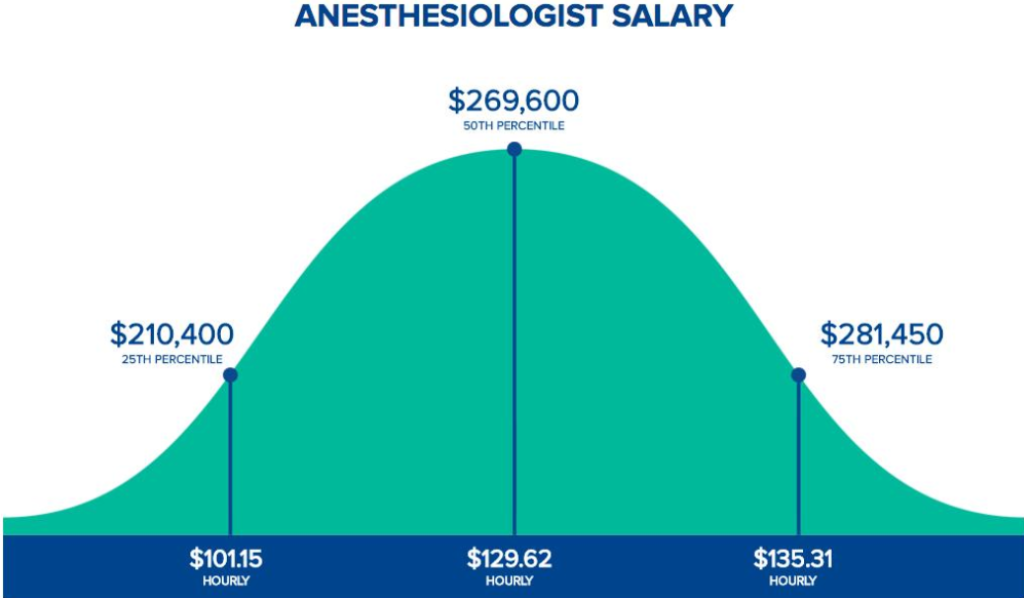
The average anesthesiologist salary in the United States generally falls within the upper tier of physician compensation. Earnings frequently exceed those of many other medical specialties due to the complexity and responsibility associated with anesthesia care.
Income levels can vary substantially across states and healthcare systems. Urban medical centers academic hospitals and specialty surgical facilities often offer competitive compensation packages.
Experienced anesthesiologists may earn significantly more than national averages particularly when working in high-demand markets or specialized practice areas.
Strong compensation remains one of the primary reasons anesthesiology attracts highly qualified medical students and professionals.
Hourly Earnings Versus Annual Compensation
Although physician compensation is often discussed in annual salary terms evaluating hourly earnings can provide additional insight into anesthesiologist income potential.
Work schedules may vary depending on employer expectations on-call responsibilities and surgical volume. Some anesthesiologists work traditional schedules while others participate in demanding call rotations.
Annual compensation often includes more than base salary alone. Bonuses productivity incentives and partnership opportunities can significantly increase total earnings.
Several factors contribute to variations in anesthesiologist salary. Geographic location remains one of the most important variables affecting compensation levels.
Healthcare demand local physician supply cost of living and regional economic conditions all influence salary offers. Areas experiencing provider shortages often offer higher compensation to attract specialists.
Practice setting also plays a significant role. Private practices academic medical centers outpatient surgical facilities and large hospital systems may offer different compensation structures.
Additional factors such as subspecialty expertise leadership responsibilities and administrative roles can further impact earning potential.
Education and Training Requirements
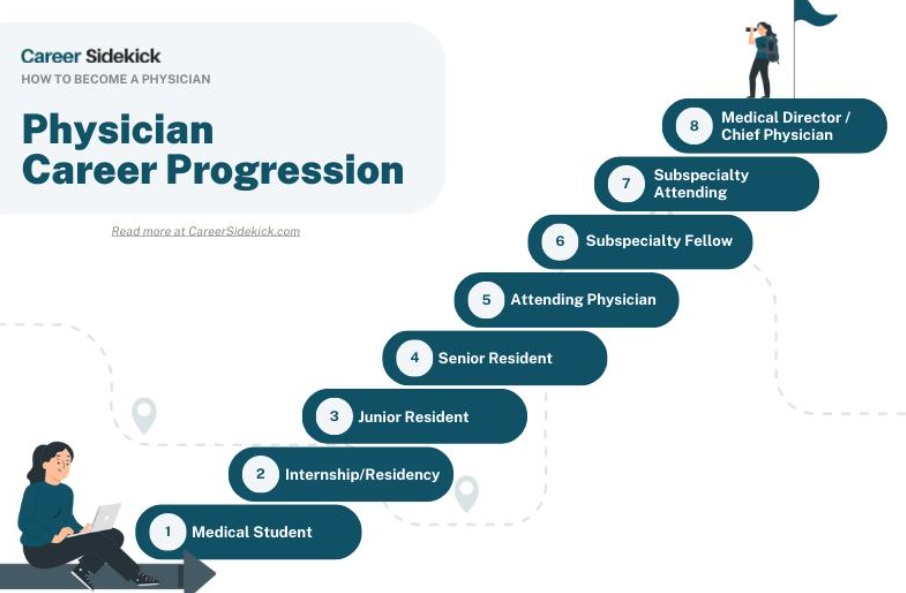
Becoming an anesthesiologist requires one of the most extensive educational pathways in healthcare. Individuals must complete undergraduate education medical school residency training and licensing requirements.
Following medical school physicians typically complete specialized anesthesiology residency programs that provide intensive clinical experience and advanced training.
Some anesthesiologists pursue additional fellowship training in subspecialties such as pain medicine pediatric anesthesiology cardiac anesthesiology or critical care medicine.
The substantial investment in education and training contributes to the profession’s high compensation levels and professional prestige.
Experience and Career Progression
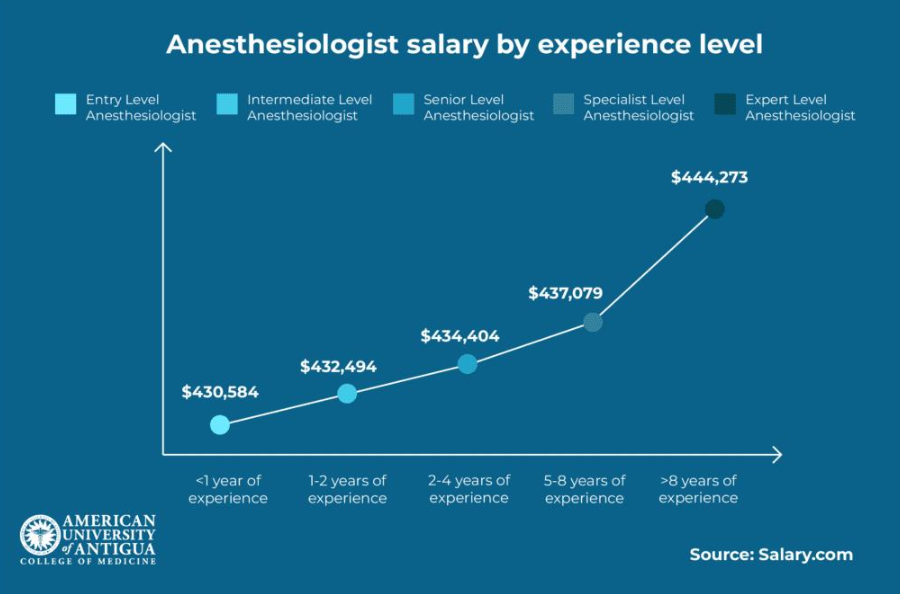
Experience significantly influences earning potential throughout an anesthesiologist’s career. Newly trained physicians often begin with strong salaries but compensation typically increases with experience and reputation.
As physicians develop expertise they may assume leadership roles supervise anesthesia teams or participate in organizational management. These responsibilities often come with higher compensation.
Established professionals may also pursue partnership opportunities within private practices creating additional income streams and long-term financial benefits.
Career progression within anesthesiology offers multiple pathways for professional growth and increased earnings.
Highest-Paying States for Anesthesiologists
Certain states consistently rank among the highest-paying locations for anesthesiologists. These regions often experience strong healthcare demand combined with physician shortages.
States with rapidly growing populations frequently offer attractive compensation packages to recruit specialists. Competitive healthcare markets can drive salaries higher as organizations compete for talent.
Cost of living also plays a role in regional salary differences. High-paying states often have elevated living expenses that partially offset increased earnings.
Professionals willing to relocate may discover substantial differences in compensation opportunities across various regions of the country.
Metropolitan Areas With Strong Compensation
Large metropolitan areas frequently provide access to high-paying anesthesiology positions. Major healthcare systems academic medical centers and specialty hospitals often operate within these regions.
Urban centers typically support complex surgical programs that require experienced anesthesia professionals. This demand contributes to competitive compensation levels.
Some metropolitan areas also offer opportunities for specialized practice research involvement and academic appointments that may enhance earning potential.
Evaluating both salary levels and living costs remains important when comparing metropolitan employment opportunities.
Salary Differences by Practice Setting
Practice setting can significantly affect anesthesiologist compensation. Different healthcare environments have unique financial structures patient populations and operational demands.
Hospital-employed anesthesiologists often receive predictable compensation packages that include benefits and retirement plans. Academic institutions may offer additional opportunities related to teaching and research.
Outpatient surgery centers and specialty facilities may provide alternative compensation arrangements tied to procedure volume and productivity.
Selecting the right practice environment requires balancing financial goals with professional preferences and lifestyle considerations.
Private Practice Versus Hospital Employment
Private practice anesthesiology often appeals to physicians seeking greater autonomy and potential partnership opportunities. Successful private practices can generate substantial income for physician owners.
Hospital employment typically offers more predictable schedules administrative support and comprehensive benefit packages. Many physicians appreciate the stability associated with employed positions.
Each model presents advantages and challenges. Compensation differences may vary depending on market conditions organizational structure and physician responsibilities.
Choosing between private practice and hospital employment involves both financial and personal considerations.
Benefits Beyond Salary
Anesthesiologists often receive comprehensive benefits that extend beyond base salary. Healthcare coverage retirement contributions disability insurance and paid time off can significantly increase total compensation.
Many employers provide continuing medical education allowances professional association memberships and licensing support. These benefits help physicians maintain certifications and stay current with medical advancements.
Recruitment incentives such as signing bonuses relocation assistance and loan repayment programs are also common in competitive markets.
Evaluating total compensation provides a more complete picture of employment value than salary alone.
Job Outlook for Anesthesiologists
The job outlook for anesthesiologists remains positive due to ongoing demand for surgical and procedural care. Healthcare systems continue requiring anesthesia specialists across hospitals outpatient centers and specialty clinics.
Population aging contributes to increased demand for medical procedures creating ongoing opportunities for anesthesia professionals. Advances in medicine also support continued growth in surgical services.
Physician workforce shortages in certain regions further strengthen employment prospects. Qualified anesthesiologists often enjoy strong job security and multiple career options.
The profession’s favorable outlook supports long-term financial stability and career satisfaction.
Why Anesthesiologist Salaries Remain High
Several factors explain why anesthesiologist salaries consistently rank among the highest in medicine. The profession requires extensive education advanced clinical expertise and exceptional decision-making abilities.
Patient safety responsibilities are substantial. Anesthesiologists manage critical physiological functions and must respond immediately to medical emergencies during procedures.
Healthcare organizations highly value these specialized skills because anesthesia services are essential to modern surgical care.
The combination of training requirements professional responsibility and market demand continues to support premium compensation levels.
Is Becoming an Anesthesiologist Worth It?
For many physicians anesthesiology represents an attractive balance of intellectual challenge patient impact and financial reward. The specialty offers opportunities to work in diverse healthcare settings while earning competitive compensation.
The educational commitment is significant requiring years of study and training before entering independent practice. However many professionals view the long-term benefits as worth the investment.
Anesthesiology also provides opportunities for specialization leadership research and teaching. These options allow physicians to shape careers that align with personal interests and goals.
Those passionate about medicine physiology and patient safety often find anesthesiology highly rewarding.
Reviews From Healthcare Professionals
Many anesthesiologists report strong career satisfaction due to the profession’s combination of clinical complexity and meaningful patient care.
Professionals often appreciate the opportunity to work closely with surgical teams while contributing directly to successful patient outcomes. The specialty also offers exposure to a wide range of medical cases and procedures.
Challenges include demanding schedules high levels of responsibility and the need for continuous learning. Despite these factors many physicians consider anesthesiology one of the most rewarding specialties in medicine.
Positive reviews frequently highlight compensation professional respect and career flexibility.
Strategies for Increasing Earnings
Anesthesiologists seeking to maximize earnings can pursue several career strategies. Developing subspecialty expertise may open access to higher-paying positions and specialized procedures.
Leadership roles within hospitals healthcare systems or professional organizations can create additional income opportunities. Some physicians also participate in consulting teaching or research activities.
Relocating to high-demand markets may significantly increase compensation potential. Physicians who remain informed about industry trends are often better positioned to negotiate competitive contracts.
Long-term career planning and professional development remain key drivers of earning growth.
Conclusion
The anesthesiologist salary remains among the most attractive in the healthcare industry reflecting the profession’s advanced training requirements clinical expertise and critical role in patient care. Strong demand for anesthesia services ongoing physician shortages and the increasing need for surgical procedures continue to support excellent compensation opportunities.
For individuals considering a medical career anesthesiology offers a compelling combination of financial rewards intellectual challenge and long-term job security. While the educational pathway is demanding many physicians find the profession both personally and professionally fulfilling.
FAQs
What is the average anesthesiologist salary?
Anesthesiologists are among the highest-paid physicians with compensation levels significantly above many other healthcare professions.
Why do anesthesiologists earn so much?
Their salaries reflect extensive training specialized expertise and responsibility for patient safety during medical procedures.
Do anesthesiologists receive bonuses?
Many compensation packages include productivity incentives performance bonuses and partnership opportunities.
Which states pay anesthesiologists the most?
Compensation varies by market conditions healthcare demand and physician supply with some states consistently offering higher salaries.
Is anesthesiology a growing field?
Yes. Demand for surgical and procedural care continues to support strong employment opportunities.
How many years of training are required?
The profession requires undergraduate education medical school residency training and licensing.
Can anesthesiologists work in outpatient settings?
Yes. Many anesthesiologists work in ambulatory surgery centers and outpatient facilities.
Is anesthesiology worth the educational investment?
Many physicians consider the profession worthwhile due to strong compensation career stability and professional fulfillment.
I am a professional finance content writer with expertise in personal finance investing, banking, loans, insurance, credit cards, budgeting, and market related topics. I create clear, SEO optimized, and reader friendly finance content that helps audiences understand complex financial concepts in simple words. My goal is to write trustworthy and engaging content that improves search visibility, builds credibility, and supports business growth.
I am a professional finance content writer with expertise in personal finance investing, banking, loans, insurance, credit cards, budgeting, and market related topics. I create clear, SEO optimized, and reader friendly finance content that helps audiences understand complex financial concepts in simple words. My goal is to write trustworthy and engaging content that improves search visibility, builds credibility, and supports business growth.