Maryland Tax Refund Status: Check It & Fix Delays Fast
Shanzay Arain·Aug 02, 2026
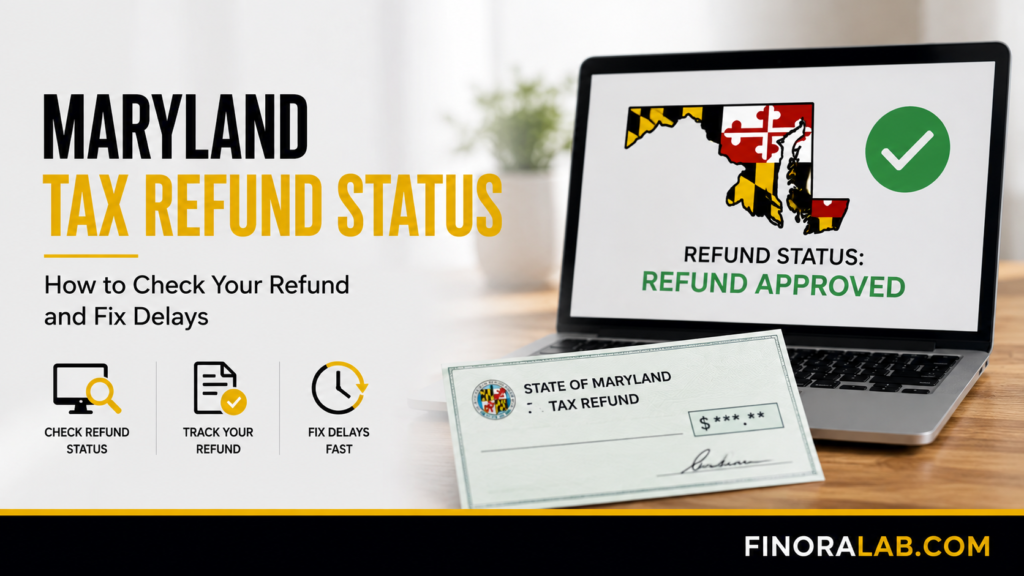
Maryland tax refund status is one of the most searched questions by taxpayers waiting for money after filing a state income tax return. Once you submit your Maryland return, the Maryland Comptroller reviews the information before issuing an approved refund. The process can take longer when a return requires additional verification, contains errors, or is selected for review. Checking your status online is usually the fastest way to determine whether your refund has been received, processed, approved, or issued.
A refund is generally created when the amount of Maryland income tax you paid or had withheld during the year exceeds your final state tax liability. However, a refund is not guaranteed simply because you filed a return. Your final tax calculation, credits, withholding, estimated payments, and other adjustments determine whether money is actually owed to you. Understanding how Maryland processes refunds can help you distinguish a normal processing period from a situation that requires follow up.
How to Check Your Maryland Tax Refund Status
The easiest way to check a Maryland tax refund status is through the Maryland Comptrollers official online refund system. You generally need information from your Maryland tax return, such as your Social Security number or taxpayer identification information, filing status, and the requested refund amount. Use the official Maryland Comptroller website rather than an unofficial refund tracking service, particularly when entering sensitive tax information.
When checking your refund, carefully enter the information exactly as it appears on your filed return. A mismatch can prevent the system from finding your return even when it has been submitted successfully. If the online system indicates that your return is still being processed, that does not necessarily mean there is a problem. Maryland may need additional time for verification, especially during periods when the Comptroller receives a high volume of returns.
What Maryland Tax Refund Status Messages Mean
A Maryland refund status can change as your return moves through the states processing system. A return may initially show that it has been received or is being processed. Later, the status may indicate that the refund has been approved or issued. The exact wording displayed by the Maryland Comptroller can vary, so taxpayers should use the official status information as the primary source rather than relying on generalized timelines found elsewhere.
A status indicating that a refund has been issued generally means the state has completed the refund process and sent the payment using the selected method. Direct deposit may reach your bank after the state releases the payment, while a paper check can require additional mailing time. If your status has not changed for an extended period, review your return for possible correspondence from the Comptroller and check whether the agency requested additional information.
How Long Does a Maryland Tax Refund Take?
Maryland tax refund processing time can vary based on how the return was filed, whether the return is accurate, the payment method, and whether additional review is required. Electronic filing and direct deposit can generally make the overall process more efficient than paper filing and mailed checks. However, taxpayers should avoid assuming that every electronically filed return will receive a refund within the same number of days.
Processing can also take longer when the Maryland Comptroller needs to verify information. Refund fraud prevention is an important part of state tax administration, and additional review can delay payment even when a taxpayer has filed a legitimate return. If your refund takes longer than expected, the delay does not automatically mean the refund has been denied. It may simply mean the return requires additional processing before payment can be released.
Why Is My Maryland Tax Refund Delayed?
There are several reasons a Maryland tax refund may take longer than expected. Common possibilities include errors on the return, missing information, identity verification, discrepancies between reported income and information received by the state, or additional review of credits. A return can also be delayed when the Comptroller needs documentation supporting a deduction, credit, withholding amount, or other tax position.
Another factor is the timing of your filing. Tax agencies process large numbers of returns during peak filing periods, which can increase workloads. A taxpayer who files shortly before or during a high volume period may experience a different processing timeline from someone who files during a quieter period. The most useful approach is to check the official refund status regularly and respond promptly if the Comptroller requests additional information.
Maryland Refund Delays and Identity Verification
Tax refund fraud is a significant concern for tax authorities because criminals can attempt to file fraudulent returns using stolen personal information. As a result, Maryland may use verification procedures to confirm that a refund claim actually belongs to the taxpayer who filed it. If you receive a request for identity verification, respond through the official Maryland Comptroller process and provide only the information specifically requested.
Identity verification can be frustrating when you expected a quick refund, but it is designed to protect taxpayers and state revenue. Do not provide your Social Security number, banking information, or tax documents to people contacting you through suspicious emails, text messages, or social media accounts. If you are uncertain whether a communication is legitimate, independently access the Maryland Comptrollers official website and use its published contact information instead of links or phone numbers supplied in an unexpected message.
Maryland Tax Refund Status for Direct Deposit
Direct deposit is generally a convenient way to receive a Maryland tax refund because the payment can be deposited electronically rather than mailed as a paper check. However, entering incorrect banking information can cause complications. Before filing, taxpayers should verify their routing number and account number and confirm that the account can receive the type of electronic payment being requested.
A direct deposit refund may also take some time to appear after Maryland shows the payment as issued. The states processing system and your financial institutions posting schedule are separate steps. If the Maryland refund tracker indicates that payment has been issued, check your bank account and allow reasonable processing time. If the payment does not arrive, review the information provided by Maryland and contact the Comptroller when appropriate rather than submitting a second return.
Maryland Tax Refund Status for Paper Checks
Taxpayers who receive their Maryland refund by paper check generally need to account for mailing time after the refund has been processed. A check can take longer to reach you than an electronic payment, and mail delivery can vary. Make sure the address on your tax return is current because an incorrect or outdated mailing address can create additional delays or cause the check to be returned.
If you believe a refund check was lost, stolen, or never received, do not immediately assume that the state has failed to process your return. First check the official Maryland refund status and determine whether the payment was issued. If the state indicates that a check was mailed, follow the Comptrollers instructions for investigating a missing payment. Keep copies of your tax return and any refund correspondence available when contacting the agency.
How Maryland Tax Refunds Are Calculated
A Maryland tax refund is generally the difference between the amount of Maryland tax paid or withheld during the year and the amount you ultimately owe after completing your state tax calculation. For example, suppose a taxpayer had $4,500 of Maryland income tax withheld from paychecks but their final state tax liability was $3,800. Ignoring other adjustments, the taxpayer could have a potential $700 refund.
The calculation can become more complicated because Maryland taxpayers may qualify for credits, deductions, exemptions, estimated tax payments, or other adjustments. Some taxpayers may also owe additional taxes rather than receive refunds. This is why a refund estimate should not be based solely on paycheck withholding. The final Maryland return determines the actual amount owed or refundable after all applicable items are considered.
Maryland Tax Refunds and Tax Credits
Tax credits can affect the amount of Maryland tax you ultimately owe and may therefore affect your refund. Credits reduce tax liability directly, while deductions generally reduce the amount of income subject to tax. Maryland offers various credits and tax benefits that may apply depending on income, household circumstances, employment, property ownership, and other eligibility requirements.
Taxpayers should not claim a credit simply because it appears potentially beneficial. Each credit has eligibility requirements, documentation rules, income limitations, and other conditions. Incorrectly claiming a credit can result in a refund adjustment, additional tax, interest, penalties, or processing delays. Before filing, review the current Maryland tax instructions and applicable forms or consult a qualified tax professional if the tax issue is complicated.
What to Do If Your Maryland Refund Is Taking Too Long
If your Maryland tax refund is delayed, start by checking the official refund status rather than immediately filing another return. Confirm that your return was actually submitted and accepted, then review any messages or correspondence from the Maryland Comptroller. If the agency requests additional documentation, provide it as soon as possible and keep records of everything you submit.
Avoid repeatedly contacting the state simply because the refund has not arrived immediately. Tax agencies can require time to review returns, particularly during periods of heavy volume or when fraud prevention procedures are involved. However, if the status has remained unchanged for an unusually long period or the Comptroller specifically instructs you to contact the agency, follow the official instructions. When contacting Maryland, have your return, filing information, refund amount, and correspondence available.
Maryland Tax Refund Status and Amended Returns
An amended Maryland return is different from an original return. If you discover an error after filing, you may need to amend the return rather than submitting a second original return. Amended returns generally require additional processing because the state must evaluate the changes against the previously filed information. Therefore, taxpayers should not expect an amended refund to follow the same timeline as a straightforward original electronic return.
Before filing an amendment, determine whether an amendment is actually required. Some errors may have different correction procedures depending on the nature of the mistake and whether Maryland has already processed the return. If you do amend, keep a copy of the original return, amended return, supporting documentation, and any confirmation information. This creates a useful record if the state later asks you to explain the change.
Maryland Refunds and Tax Planning
A tax refund can feel like a financial windfall, but economically it usually represents money that was previously yours. If your employer withheld more Maryland tax than you ultimately owed, you effectively provided the government with an interest free advance during the year. A large refund is not necessarily a sign that your tax strategy was optimal, particularly if you are carrying high interest debt or struggling to maintain an emergency fund.
After receiving a refund, consider how it fits into your broader financial plan. Depending on your circumstances, reasonable priorities could include building emergency savings, paying down high interest credit card debt, contributing toward retirement, covering necessary home or vehicle repairs, or funding other planned expenses. The best choice depends on your financial position and goals rather than a universal rule about how refunds should be spent.
Maryland Tax Refund Status and Personal Finance
Tax refunds can affect budgeting, debt management, and financial planning. If you regularly receive a large refund, reviewing your withholding may help you better align paycheck withholding with your expected tax liability. If you consistently owe a substantial amount, you may need to review withholding or estimated tax payments to reduce the possibility of an unexpected tax bill.
Your tax refund should also be considered alongside your entire financial picture. A taxpayer with high interest debt may benefit more from reducing that balance than from making discretionary purchases. Someone without an emergency fund may prioritize cash reserves. Another taxpayer may have a fully funded emergency account and decide to increase retirement contributions. The correct decision depends on interest rates, liquidity needs, tax considerations, risk tolerance, and long term financial objectives.
Common Maryland Tax Refund Mistakes to Avoid
One common mistake is checking refund information through unofficial websites. Tax refund status involves sensitive personal and financial information, so taxpayers should use Marylands official government resources. Another mistake is entering incorrect information into the refund tracker. Even a small discrepancy in a Social Security number, filing status, or refund amount can prevent the system from displaying the expected information.
Taxpayers should also avoid filing duplicate returns simply because a refund has not arrived. Duplicate filings can create additional confusion and may complicate processing. Another mistake is ignoring correspondence from the Maryland Comptroller. A letter requesting documentation or verification may require action before the refund can proceed. Keep your address updated, retain tax records, and respond promptly to legitimate requests through official channels.
How to Protect Your Maryland Tax Refund
Protecting your refund begins with protecting your tax identity. Use secure devices and trusted networks when submitting sensitive information. Avoid sending Social Security numbers, tax returns, or banking details through unsecured channels. Be cautious of messages claiming that you must immediately pay a fee to release a refund or provide personal information through an unfamiliar link.
Taxpayers should also maintain copies of their filed return and supporting documents. Keep W 2s, 1099s, receipts, deduction records, credit documentation, and filing confirmations in a secure location. These records can help resolve questions if the Maryland Comptroller reviews your return. They can also be useful when preparing future returns, responding to tax notices, or determining whether an amended return is necessary.
When to Contact the Maryland Comptroller
Most refund questions can begin with the official online refund status system. If the information shown there does not answer your question, review Marylands published tax guidance and taxpayer assistance resources. When you contact the Comptroller, provide enough information for the agency to identify your account and understand the issue, but use official channels and follow the agencys security procedures.
You may need assistance when a refund appears to be significantly delayed, when the state requests documentation you do not understand, when your payment was issued but never received, or when you receive a tax notice that requires a response. Taxpayers with complex returns, substantial discrepancies, business income, multiple state filings, or significant tax disputes may also benefit from speaking with a qualified tax professional rather than trying to resolve every issue independently.
Conclusion
Checking your Maryland tax refund status is usually the first step when you want to know where your state refund stands. The Maryland Comptrollers official system can provide important information about the processing of your return and whether a payment has been issued. Remember that processing times vary, and additional review, identity verification, errors, documentation requests, and peak filing periods can delay a refund.The most important strategy is to avoid unnecessary mistakes while waiting. Do not file a duplicate return simply because payment has not arrived. Monitor official correspondence, respond to legitimate requests, protect your personal information, and keep your tax records organized. If your refund has been issued but is missing, or the return has remained unresolved for an unusually long period, use the Maryland Comptrollers official assistance channels.
You can check your Maryland tax refund status through the Maryland Comptrollers official online refund status service. You will generally need identifying information from your Maryland tax return, including information such as your Social Security number, filing status, and refund amount. Enter the information carefully and use the official Maryland government website rather than third party tracking services. If your return cannot be located, verify the information you entered and confirm that the return was successfully filed.
How long does a Maryland tax refund take?
The time required to receive a Maryland tax refund varies based on how the return was filed, the payment method, processing volume, and whether additional review is necessary. Electronic filing and direct deposit can make the process more efficient, but they do not guarantee an immediate refund. Returns selected for identity verification or additional review can take longer. The most reliable approach is to use the Maryland Comptrollers official refund tracker and follow any instructions provided by the agency.
Why is my Maryland tax refund still processing?
A refund may remain in processing because Maryland is reviewing information on the return, verifying identity, checking reported income or withholding, reviewing credits, or addressing an error or discrepancy. High filing volumes can also contribute to longer processing periods. A processing status does not automatically mean your refund has been denied. Check for correspondence from the Comptroller and respond promptly if additional information is requested.
Can I track my Maryland refund online?
Yes. Maryland provides an online service through the Comptrollers office for taxpayers to check their refund information. You should use the official Maryland government website to access the service and avoid entering sensitive information into unofficial refund tracking websites. Have your tax return available so you can enter the requested information accurately. If the system does not locate your return, double check the details before assuming that your filing was not received.
Why is my Maryland refund taking longer than expected?
A Maryland refund can take longer than expected for several reasons, including identity verification, return errors, missing documentation, discrepancies involving income or withholding, review of credits, or high processing volumes. Fraud prevention procedures can also require additional verification. If the delay continues, check the official status system and review your mail or online correspondence for a request from the Comptroller. Responding quickly to legitimate requests can help prevent additional delays.
What should I do if Maryland asks me to verify my identity?
Follow the Maryland Comptrollers official instructions carefully. Identity verification is used to help prevent fraudulent tax returns and protect taxpayer refunds. Do not provide sensitive information through an unsolicited email, text message, or suspicious website. Instead, independently access Marylands official government website and follow the instructions provided there. If you are unsure whether a request is legitimate, contact the Comptroller through an official channel before submitting personal information.
Why was my Maryland tax refund reduced?
A refund can be reduced if Maryland determines that the amount originally claimed was incorrect or if changes are required after reviewing income, withholding, credits, deductions, payments, or other tax information. A state tax agency may also apply certain amounts against a refund when legally authorized. If your refund differs from what you expected, review any notice or explanation provided by Maryland. Do not assume the reduction is an error without first examining the states calculation.
Can I receive my Maryland refund by direct deposit?
Taxpayers may be able to receive a Maryland refund through direct deposit when they meet the applicable requirements and provide valid banking information. Direct deposit can be convenient because it avoids waiting for a paper check to arrive through the mail. However, taxpayers should carefully verify their routing and account numbers when filing. If a refund has already been issued, allow appropriate time for your financial institution to post the payment before concluding that the money is missing.
What if my Maryland refund check never arrived?
First, check your official Maryland refund status to determine whether the state issued the payment. If a paper check was issued but you did not receive it, review your mailing address and follow the Maryland Comptrollers procedures for investigating missing payments. Keep your tax return and any relevant correspondence available. Do not file a second original return simply because a check has not arrived, as doing so can create additional processing problems.
Should I spend or save my Maryland tax refund?
The best use depends on your financial circumstances. If you lack emergency savings, building a cash reserve may improve financial stability. If you have high interest credit card debt, reducing that balance can potentially save significant interest. Other options include contributing to retirement accounts, funding necessary expenses, or investing according to your long term plan and risk tolerance. A refund should generally be viewed as part of your overall financial plan rather than automatic discretionary income.
I am a professional finance content writer with expertise in personal finance investing, banking, loans, insurance, credit cards, budgeting, and market related topics. I create clear, SEO optimized, and reader friendly finance content that helps audiences understand complex financial concepts in simple words. My goal is to write trustworthy and engaging content that improves search visibility, builds credibility, and supports business growth.
I am a professional finance content writer with expertise in personal finance investing, banking, loans, insurance, credit cards, budgeting, and market related topics. I create clear, SEO optimized, and reader friendly finance content that helps audiences understand complex financial concepts in simple words. My goal is to write trustworthy and engaging content that improves search visibility, builds credibility, and supports business growth.